


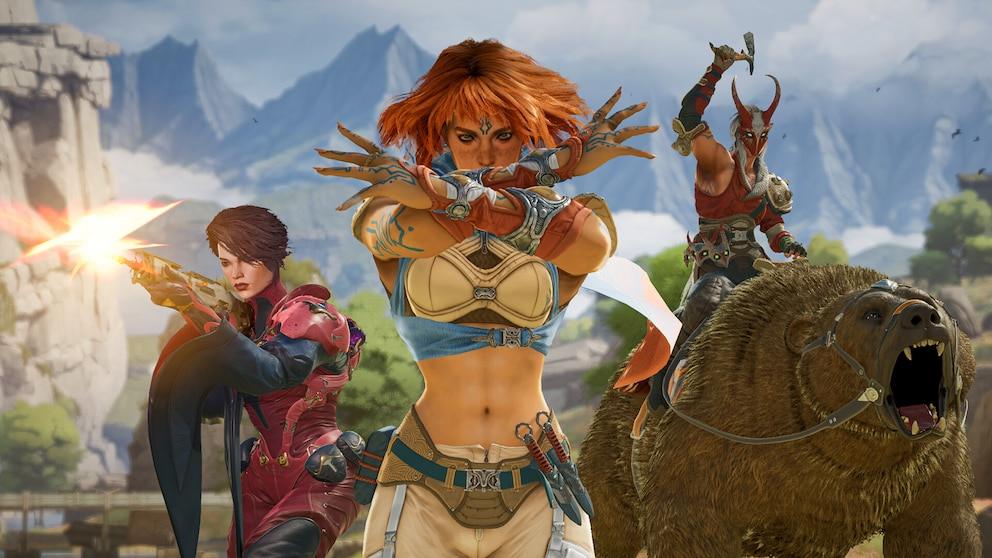
Wildlight Entertainment, the studio founded by Respawn and Call of Duty veterans, has laid off most of its staff following the poor performance of its debut, free-to-play shooter Highguard, released just two weeks earlier.The studio will only maintain a core group of developers to continue supporting the game.These cuts call into question the future of the project and have generated concern both in the gaming community and among the affected developers themselves.
Wildlight Entertainment publicly announced that it made “an incredibly difficult decision” to let go of a significant number of its team members, with the goal of retaining only the core of developers who can continue to support Highguard.Minutes after the announcement, several former employees confirmed on social media that the majority of the team was notified of their dismissal that same day.
The game, presented with great expectations at The Game Awards in December 2025 and released on January 26, was the result of the work of experienced developers from franchises such as Titanfall and Apex Legends, as well as former members of the Call of Duty team.However, the quick decision to significantly reduce staff highlights the financial problems and negative reception the studio is facing, just weeks after its first launch.
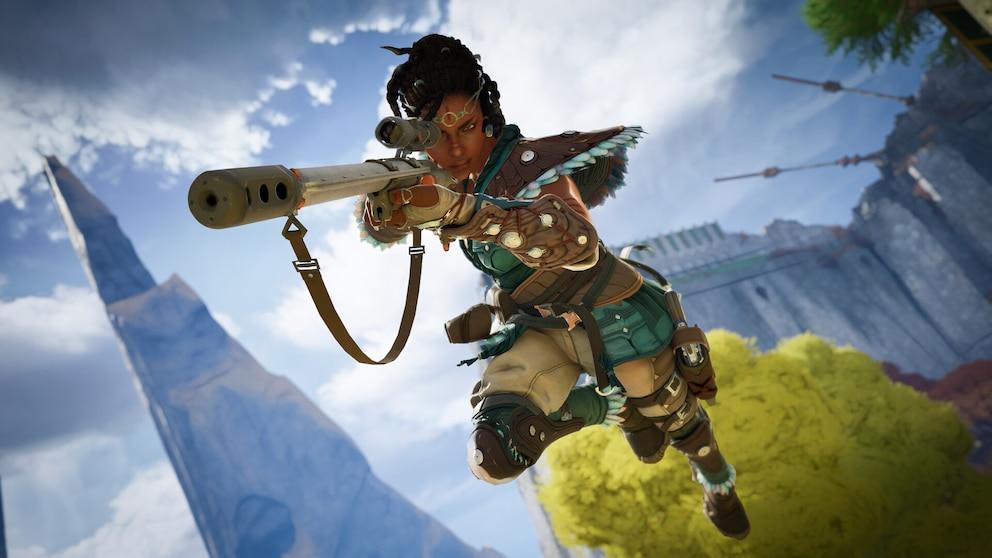
Highguard debuted on PC and consoles as a free-to-play shooter with assault and team combat mechanics, promising to innovate the genre with mounts and new raid formats.Initially, the game managed to attract some attention, reaching nearly 100,000 simultaneous users on Steam and positioning itself among the most played titles of that week.These figures suggested possible success for the young studio Wildlight Entertainment.
However, the situation changed quickly.Negative reviews accumulated on Steam, and just two weeks after launch the number of simultaneous players fell to less than 5,000.On February 11, the date the layoffs were made official, only 3,500 users remained connected at the same time.Not even a major content update released shortly before managed to reverse the downward trend.
The Highguard case highlights the volatility of the video game sector, especially in the free-to-play model.Thousands of players who bet early on the new title have seen their expectations for updates and support reduced due to the drastic reduction in staff.In practice, this can translate into slower bug fix cycles, fewer new features, and a less active community.
For the industry, this represents another example of the tendency to make large initial investments followed by severe business responses to the first signs of failure, which negatively affects both job stability and the capacity for innovation.The Wildlight Entertainment and Highguard situation highlights the tensions between the need to generate immediate income to satisfy investors and building loyal player communities, a challenge faced even by teams with extensive prior experience.

