


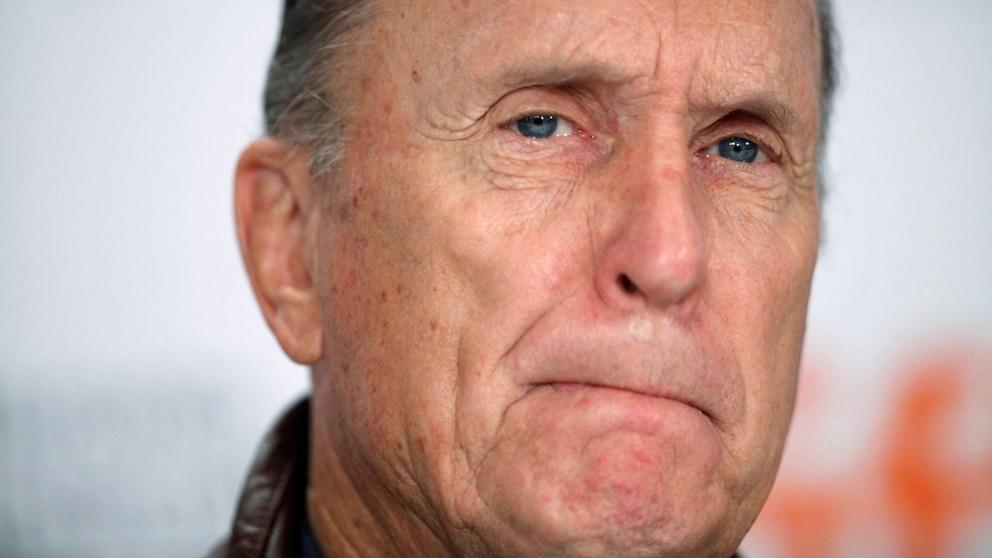
Robert Duvalle’s legacy is closely linked to the evolution of American cinema during the second half of the 20th century and the first years of the 21st, with a heritage forged in artistic dignity and professional discipline.
The actor’s fortune at the time of his death, on February 15, 2026, reached USD 50 million.
The figure is the result of the financial success of one of Hollywood’s most respected actors and decades of uninterrupted work, strategic negotiations and a career built on excellence.
Duvall amassed his fortune through a combination of iconic roles and principled career decisions.
One of the most remembered episodes in relation to his remuneration took place during the Godfather saga.In the first film, released in 1972, he received USD 36,000, an amount that exceeded the salary assigned to AlPacino by a thousand dollars.
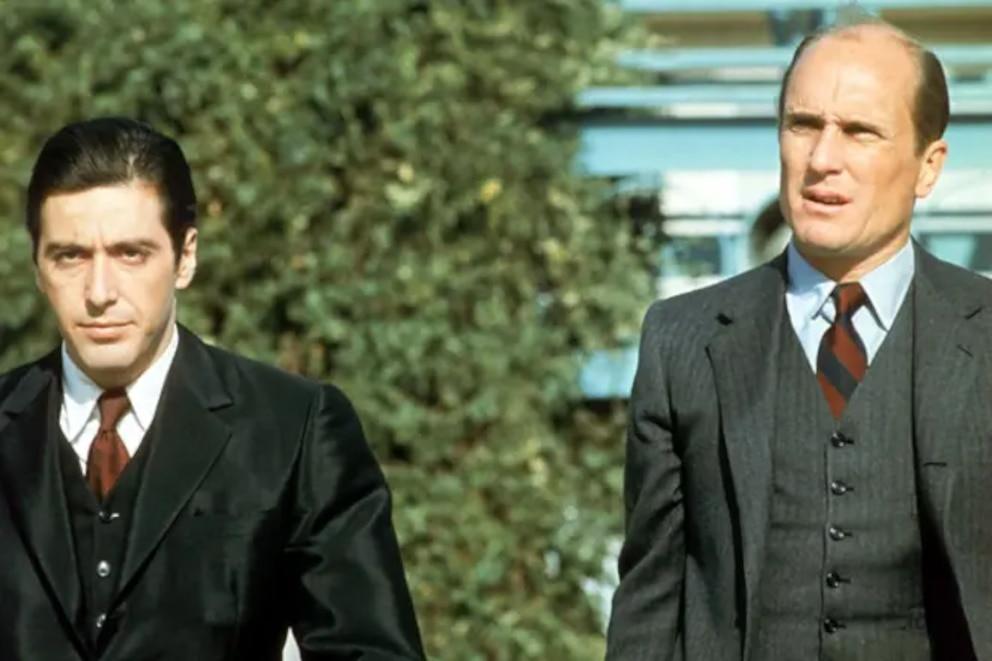
For the second part, his remuneration amounted to USD 500,000, evidence of the increased importance of his character and his recognition as an actor.
When negotiating his participation in The Godfather Part III, Duvall rejected the offer, considering the salary difference unfair: as he said in an interview with the American program 60 Minutes in 2004, “if they paid Pacino twice what they paid me, it was fine, but not three or four times more, which is what they did.”
The offer was USD 1 million, a figure higher than his previous payment, but well below the USD 5 million offered to Pacino.
Throughout his career, Robert Duvall received recognition for his ability to transform into each character and the intensity of his acting performance.
The Best Actor Oscar he won for Tender Mercies in 1983 promoted new professional opportunities and more favorable contracts.
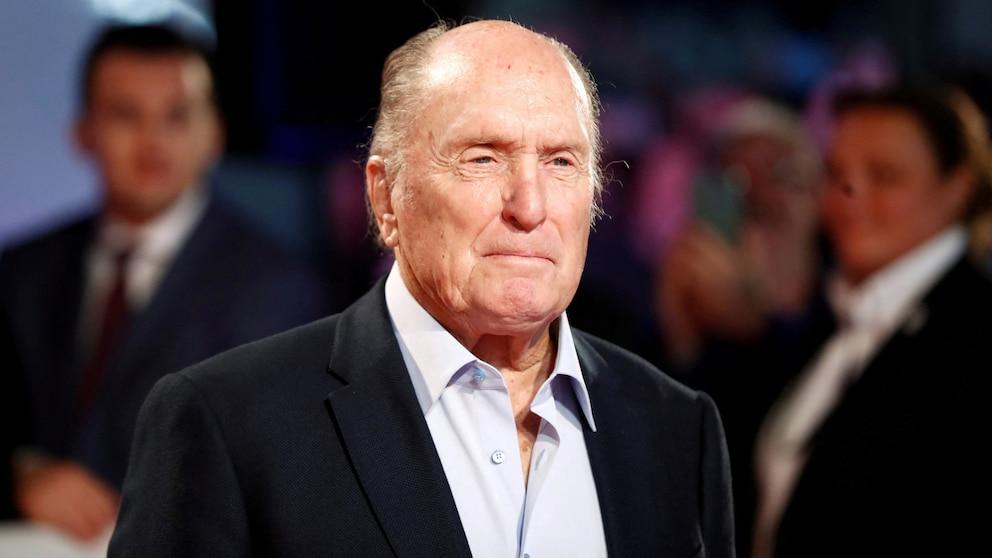
His portrayal of Mac Sledge, a country singer in search of redemption, was celebrated by critics and audiences alike, and positioned him among the leading actors of his generation.
Efficient management of his income allowed Duvall to invest in real estate, notably Byrnley Farm, a Georgian-style estate with more than 300 acres in Fauquier County, Virginia.
Acquired in 1994, the property functioned as a personal refuge and symbol of stability after decades of itinerant life and the demands of cinema.
With more than 250 years of history, the estate was the scene of family celebrations and some of its independent productions, in which it sought greater creative control compared to the large studios.
On a personal level, Duvall married four times, although he had no children.
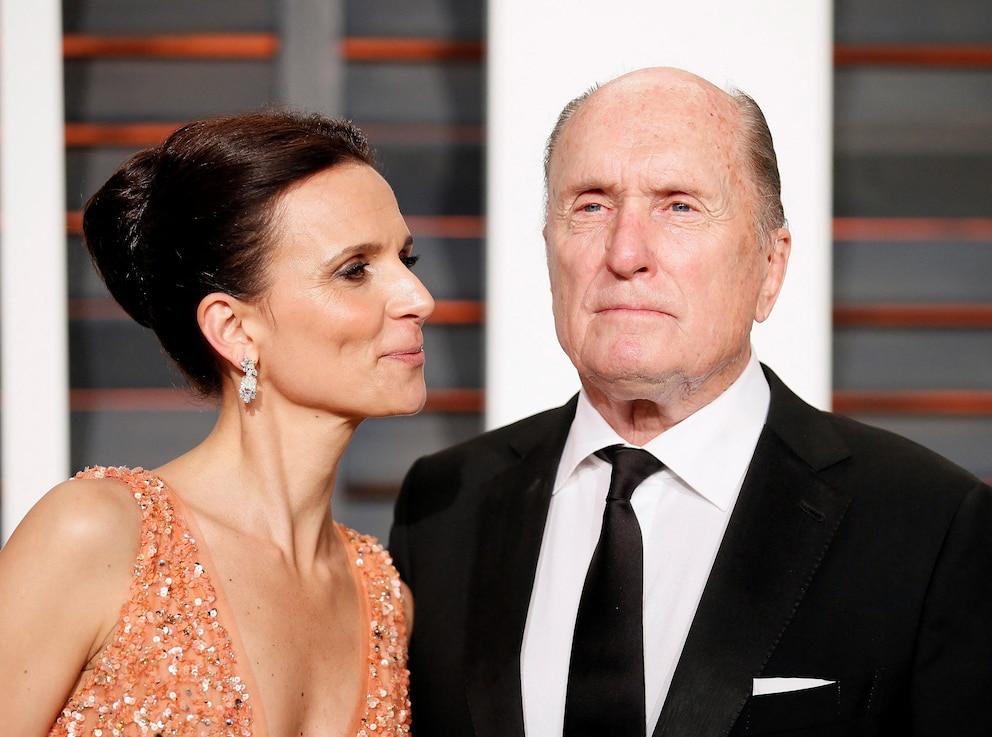
His last wife, Luciana Pedraza, of Argentine origin, shared with him not only daily life, but also artistic and philanthropic projects.
Together they founded the Robert Duvall Children’s Fund in 2001, an organization dedicated to providing support to children and families in vulnerable situations in northern Argentina, through education and health programs.
In addition, they actively collaborated with Pro Mujer, an entity focused on the empowerment of women in Latin America.
Duvall’s relationship with Argentina incorporated a social commitment.
Pedraza, granddaughter of aviation pioneer Susana Ferrari Billinghurst, brought an international vision and humanitarian sensitivity to the marriage, also adopted by the actor.
On repeated occasions, Robert Duvall traveled to Argentina to supervise projects and participate in solidarity activities.
Beyond material wealth, Duvall was valued for his work ethic and versatility.
For seven decades, he participated in iconic films such as Apocalypse Now, where his character, Lieutenant Colonel Kilgore, was identified by the phrase: “I love the smell of napalm in the morning.”
He also had prominent roles in dramatic and television productions, such as the miniseries Lonesome Dove, and in independent projects that he promoted as director and producer.
The actor received multiple awards, including Oscars and Emmys, and was compared by critics and his colleagues to figures such as Laurence Olivier.

