



The calendar marks the return of Valentine’s Day, a date associated with loving celebrations, gifts and romantic gestures in various cultures.While stores, digital platforms and media deploy campaigns dedicated to couples, many people choose to live that day away from social conventions, without sentimental company.
This choice, far from representing a marginal phenomenon, is gaining visibility in current conversations. We asked artificial intelligence (AI) about this behavior, to find out how it can be interpreted from different angles.
Artificial intelligence identifies multiple causes behind the decision to spend February 14 without a partner.These include the desire for independence, the need for personal space and the search for emotional well-being.

The social pressure associated with romantic love and the commercialization of dating can be overwhelming for those who are not in a romantic relationship.
For this reason, many people prefer to avoid collective celebrations and focus on their own interests and routines, rather than conforming to other people’s expectations.
AI algorithms that process millions of posts and queries about Valentine’s Day identify an increase in searches for self-care and self-compassion during February.

The tendency to prioritize personal well-being stands out especially among young adults and in urban spaces.Boston University suggests guidelines for those experiencing mixed feelings on these dates.
The university suggests focusing on yourself, doing activities that generate joy or rest, and valuing the love present in everyday life.The AI agrees that self-care can manifest itself in a variety of ways, from resuming hobbies to taking walks outdoors or enjoying your favorite food.
The term loneliness takes on different meanings depending on the context.According to AI systems trained in psychological and social analysis, spending Valentine’s Day alone does not necessarily imply isolation or lack of bonds.

For many people, this choice responds to the desire for authenticity and rejection of cultural impositions.Artificial intelligence shows that those who choose not to celebrate as a couple seek spaces for reflection, personal growth, and gratitude for the bonds present outside the romantic sphere.
The guidelines generated by artificial intelligence coincide with the proposals of Boston University: take advantage of the day to reconnect with friends, schedule social gatherings or group activities, and express gratitude for the positive things in life.
AI highlights that planning an activity, even a simple one, can reduce stress and improve mood.In this sense, meeting friends or resuming contact with loved ones helps to share concerns and strengthen the support network.
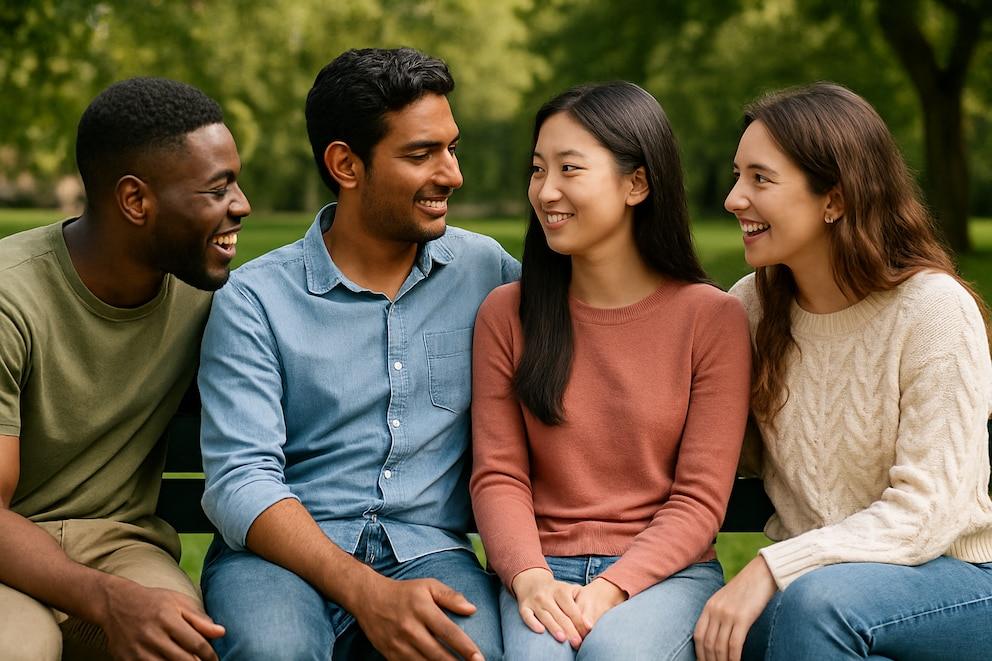
AI recognizes that the exercise of gratitude and the search for social support influence emotional well-being, especially on dates associated with couples.
Analysis from Boston University suggests writing or verbalizing three positive aspects of life as a resource to focus attention on the constructive, instead of comparing it with idealized stories from the networks.
Likewise, organizing plans, such as an informal dinner with friends or a recreational activity, can transform the perception of the date.The most important thing is to surround yourself with people who offer support and make you feel good.
These approaches, both from a technological and academic perspective, highlight the diversity of meanings that loneliness acquires during holidays such as Valentine’s Day.

