


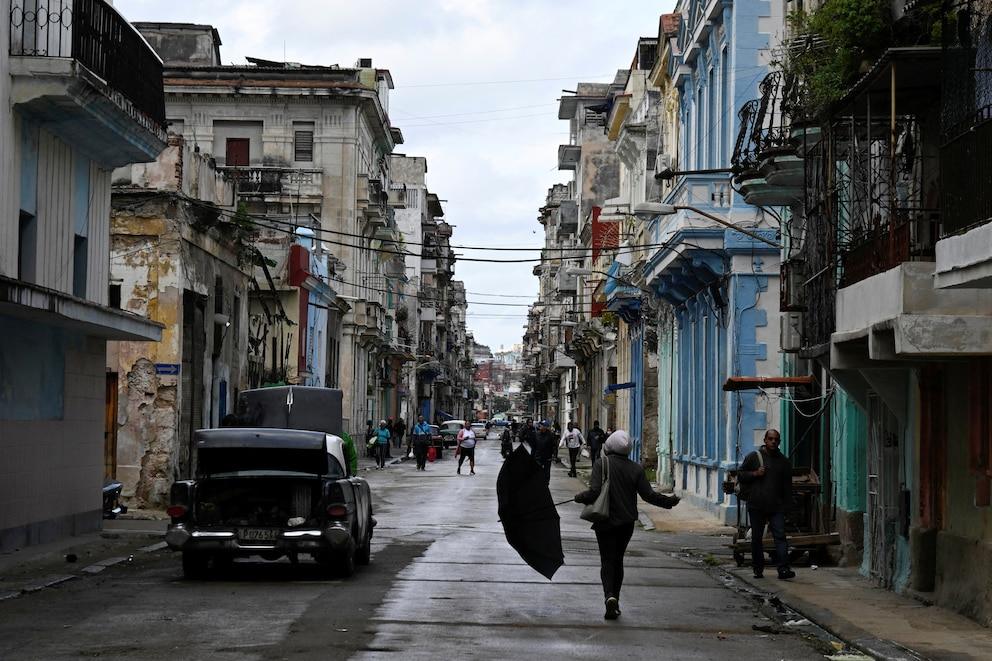
The fuel shortage in Cuba, following an oil rationalization program promoted by the regime to face United States sanctions, began to impact aviation, tourism, banking services and the cultural agenda on the island, with measures that include the suspension of events, changes in schedules and restrictions on fuel supply.
US President Donald Trump signed an executive order in January in which he warned of imposing tariffs on countries that sell oil to the island, within the framework of toughening economic pressure on the Caribbean country to force political changes.The scenario led to immediate adjustments within Cuban territory due to the reduction in energy supplies.
The Cuban aeronautical authorities sent a statement on Sunday to companies and personnel in the sector in which they reported that there will be no “fuel available” for aircraft at nine airports in the country, including the José Martí International Airport in Havana, from Tuesday until March 11.
A commercial pilot confirmed the situation to The Associated Press and noted that the scenario is unusual even for the country, where fuel supplies are often irregular.The pilot preferred not to identify himself due to his company’s restrictions.He recalled that the last time a similar situation occurred, more than a decade ago, aircraft traveling to Europe refueled in Nassau, Bahamas.In the current situation, regional airlines could carry additional fuel or refuel in Cancun or the Dominican Republic.
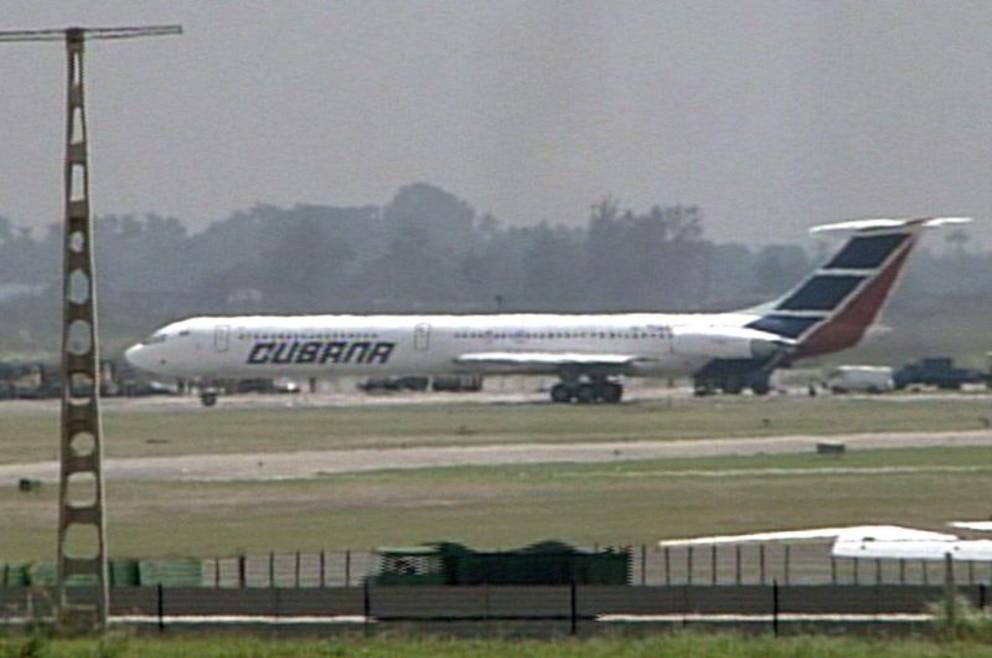
The Cuban Air Navigation Company reported on Monday on social networks that the airports remain “operational 24 hours a day and seven hours a week,” without mentioning the availability of fuel.
The Air Canada company suspended its route to Cuba and announced that it will send empty flights to the south to pick up nearly 3,000 customers and take them back to their country.In contrast, the Mexican airlines VivaAerobus and Aeroméxico confirmed that they will maintain their operations to Havana despite energy limitations.
Aeroméxico has a daily round trip flight, while VivaAerobus maintains a daily frequency from Cancún and eight weekly flights from Monterrey, Mérida and the State of Mexico.The Mexican company indicated in a statement that it will continue its flights to Havana “normally” and that its aircraft will load enough fuel in Mexico to sustain its operations.
The Russian embassy in Havana reported that some Russian tourists were transferred from certain hotels to others that were more efficient in energy consumption and announced that the airlines of the Eurasian country “work on alternative options to refuel” their planes “in an efficient manner.”
The sanctions against Cuba, in force for more than six decades, gained new momentum after the United States operation in Venezuela in January to capture the then dictator Nicolás Maduro.The South American country is one of the main suppliers of crude oil to the island and maintains a political alliance with Havana.
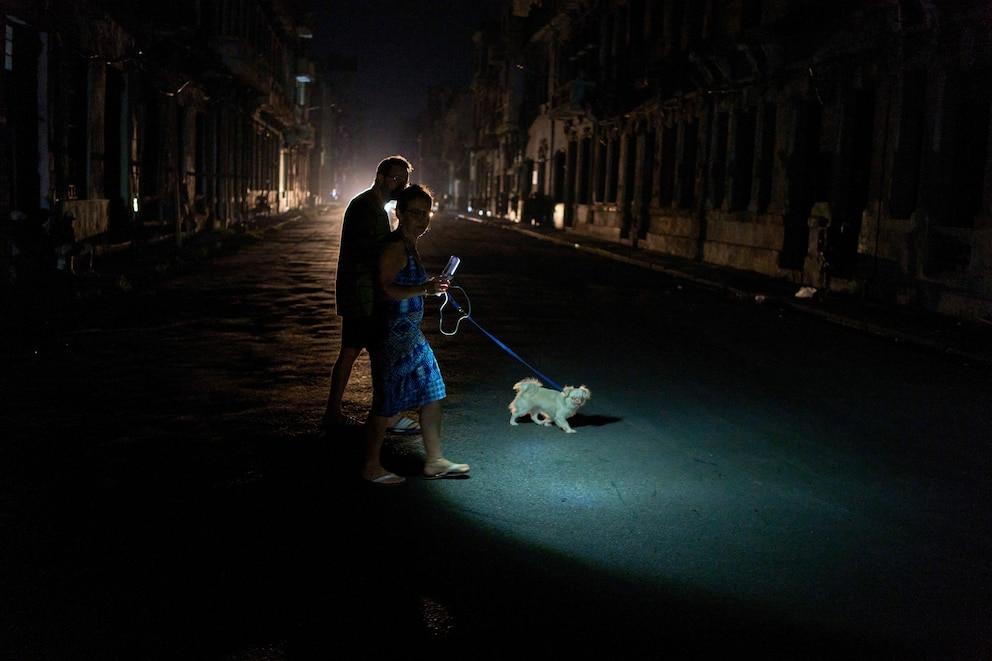
The lack of fuel affects key sectors of the Cuban economy, especially tourism, which in 2019 reached revenues close to 3 billion dollars.In the midst of a prolonged crisis, the country faces blackouts of up to 10 hours, a shortage of fuel for vehicles and difficulties in accessing food and medicine.
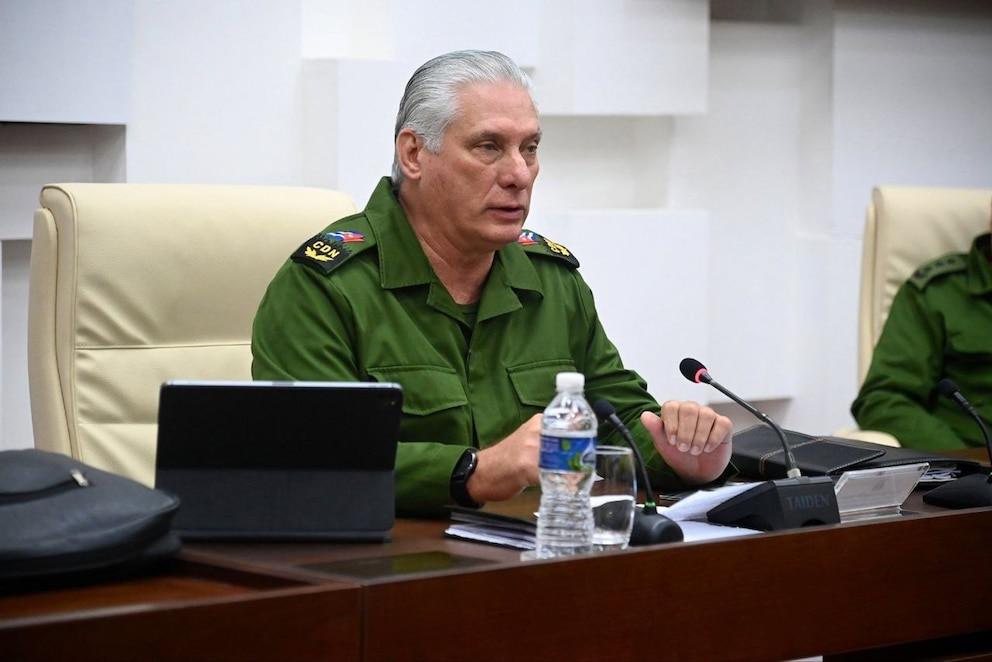
Dictator Miguel Díaz-Canel appeared on state television for two hours on Thursday and acknowledged the impact of the new US measures. Over the weekend, authorities reported the suspension until further notice of the Havana International Book Fair, scheduled for February 12 to 22.The calendar of the National Baseball Series was also adjusted with the objective of making it shorter and more efficient.
Banks adopted savings measures.Banco Metropolitano reduced its opening hours from Monday to Friday from 8:30 a.m. to 1:00 p.m.The fuel distribution company suspended the sale of the product in Cuban pesos to the population and ordered its marketing in dollars, with a limit of 20 liters per user.
Other decisions include the cutting of interprovincial transportation, a longer interval between train departures and limitations on the circulation of urban buses.
At the international level, the leader of the Cuban regime thanked the support sent by Mexico.”Thank you Mexico. For the solidarity, the affection, the always warm embrace of Cuba,” he wrote on social networks.
The Mexican government sent two Navy ships with more than 800 tons of food and hygiene items.The Mexican Foreign Ministry indicated in a statement that it is evaluating diplomatic means to resume oil supplies and avoid the tariffs announced by Washington against countries that export crude oil to the island.
In parallel, Cuban foreign trade authorities reported that the Mariel Container Terminal, located west of Havana and the main port for exports and imports of consumer goods, continues with normal operations.
(With information from Associated Press)

