


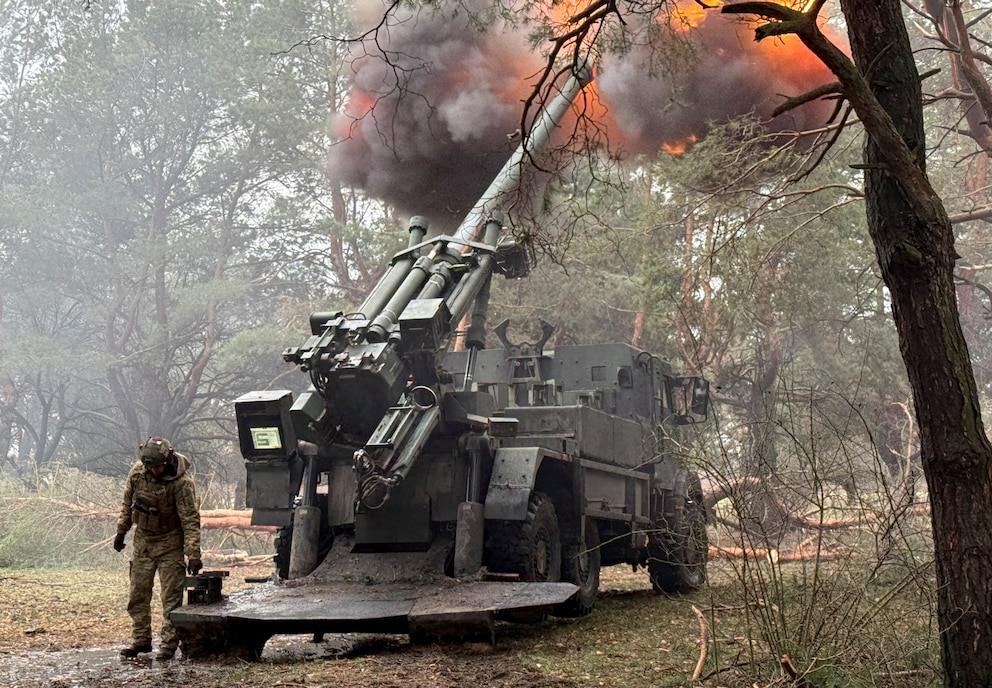
In recent days, the Ukrainian armed forces carried out a series of counterattacks in the southeastern sector of the front that allowed them to recover more than 200 square kilometers of territory, in one of the largest operations since mid-2023, according to military data and independent analysis.
The head of the Ukrainian Army, Oleksandr Sirski, confirmed that troops made progress during defensive and offensive operations in the Oleksandrivka and Huliaipole areas, where he visited front-line positions and met with deployed commanders.
“The priority is to recover territory,” Sirski said in a message released by the Ukrainian high command, while asking military officials to “take into account the number of casualties when deciding on their actions,” referring to the pressure to sustain the advance without causing excessive losses.
According to the Center for Defense Strategies in kyiv, one of the keys to recent success was the deterioration of the command and control capabilities of Russian troops in this stretch of the front.
Ukrainian authorities noted that the Kremlin’s partial blocking of the Telegram messaging platform, along with actions to prevent Russian forces from using Starlink terminals, affected coordination between units deployed in the Oleksandrivka area.
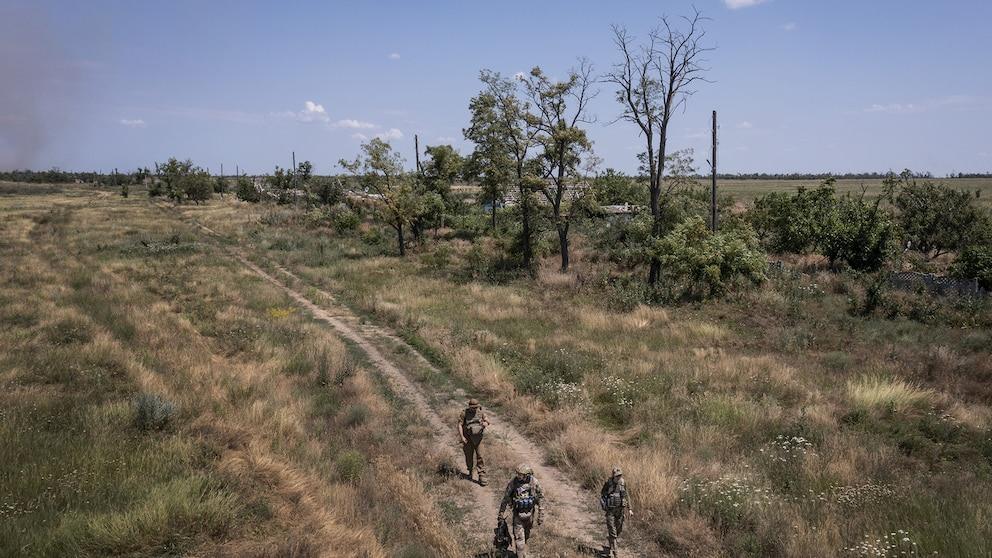
Russian military observers had warned days before that the interruption of service was creating difficulties for drone control, data transmission and communication between command posts.
In parallel, the Institute for the Study of War indicated that Ukrainian counterattacks “probably take advantage of the blocking of Russian forces’ access to Starlink, which disrupts communications and command.”
The organization added that the area recovered in just four days is close to the volume of territory conquered by Russia in an entire month during previous phases of the conflict.
The impact of these interruptions became visible after Elon Musk announced the adoption of “measures” to prevent the use of the satellite system by the Russian military.From kyiv they maintain that Moscow had used this technology to guide drones and to avoid electronic interference systems.
Ukrainian military authorities noted that advances are concentrated about 80 kilometers east of Zaporizhzhia, a region where Russian forces have made sustained progress since mid-2025. In that sector, counterattacks managed to stabilize the line of contact and forced several Russian units to retreat to deeper defensive positions.
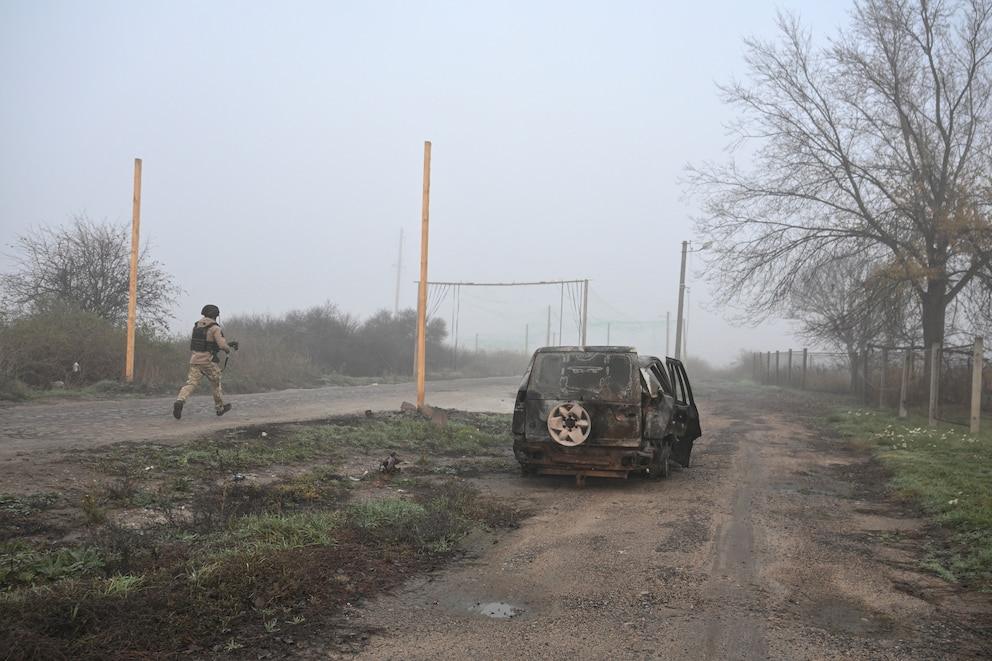
Despite the progress, Sirski warned that the Russian army maintains “constant attacks” at other points on the southeastern front with the aim of breaking the Ukrainian defenses.However, he stated that these attempts have not produced “substantial successes” and that the main lines of defense remain under control.
During January, Russian forces had managed to occupy around 245 square kilometers in different sectors of the front.In the previous two months, the advance was even greater, with more than 900 square kilometers conquered between November and December.The recovery now recorded by Ukraine is equivalent to practically all the ground gained by Russia in December.
Sec%C3%BAn%20estimates%20military,%20in%20February%20Mosc%C3%BA%20controlled%20total%20or%20partiallyclose%20of%2019,5%20%%20of%20Ukrainian%20territory,%20a%20figure%20higher%20a%20the%20of%20sameper%C3%ADodo%20dthe%20a%C3%B1or%20previous.%20Before%20of%20the%20invasi%C3%B3n%20a%20large%20scale%20started%20in%202022,Russia%20ya%20dominated%20approximately%20the%207%20%%20of%20pa%C3%ADs,%20including%20Crimea%20and%20areas%20ofDonb%C3%A1s.
For the Ukrainian command, the counterattacks in the southeast not only seek to reverse recent territorial losses, but also to weaken the Russian offensive capacity in a strip where Moscow had concentrated resources, artillery and drones.
(With information from AFP and EFE)

