


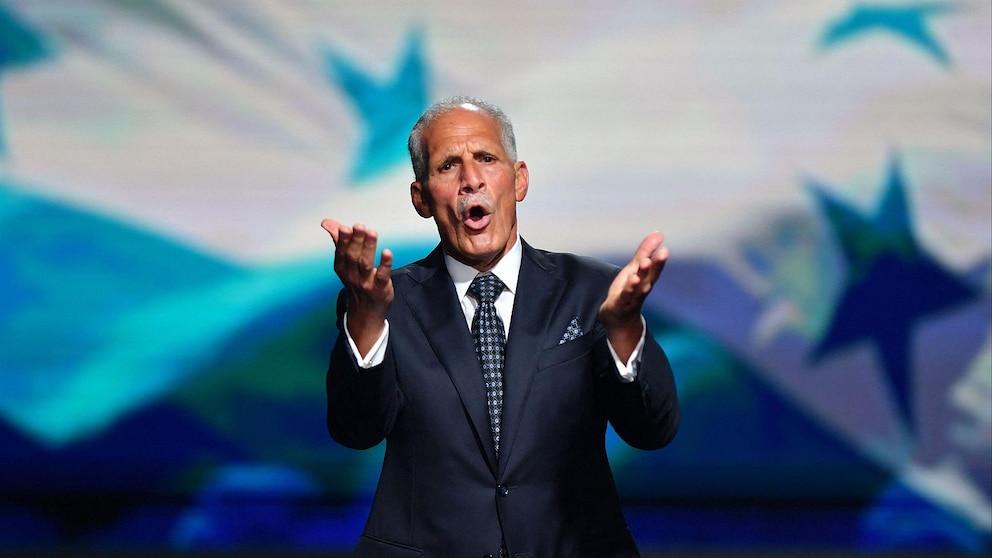
The bilateral meeting between the president of the United States, Donald Trump, and the president of Honduras, Nasry “Tito” Asfura, began at 3:40 in the afternoon at the private residence in Mar-a-Lago, Florida.The meeting took place in a setting of high expectations for the political, business and diplomatic sectors of Honduras, given the possibility of agreements in sensitive areas for the economy and the bilateral relationship.
The agenda, which lasted one hour, covered topics such as tariffs, attracting foreign investment and migration.These points focused the interest of various national actors, who carefully observed the possibility of improving the access of Honduran products to the US market and advancing immigration cooperation.
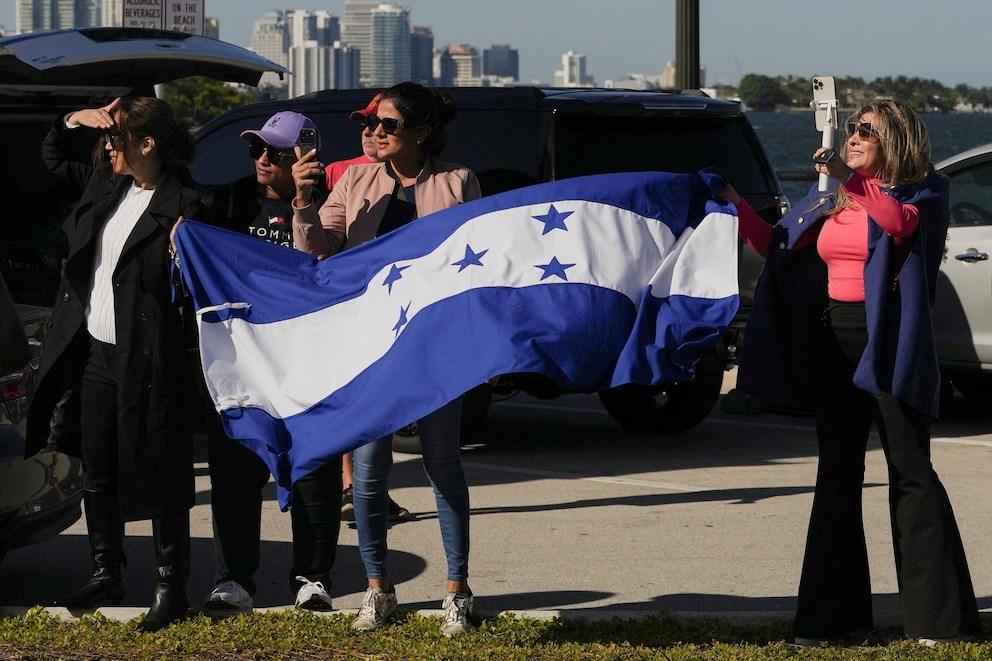
The call by both leaders generated extensive media coverage and following in different sectors of Honduras.Outside Donald Trump’s residence, a group of Hondurans gathered with the country’s flags, waiting for news about the development of the meeting.
Moments before entering the Mar-a-Lago residence, President Nasry“Tito” Asfura expressed optimism at the start of the bilateral meeting.”Today is a good day for Honduras. In the name of God and with Him. Today everything is going to be fine. Honduras, we are going to be fine!”, declared Asfura through his social networks.His words reflected confidence in the results of the meeting and sought to convey tranquility to the Honduran population.
The leaders met in a private meeting where key issues such as tariffs, foreign investment and migration were addressed.Statements from the Honduran president are expected.
The meeting between Donald Trump and Nasry “Tito” Asfura at Mar-a-Lago has generated unusual interest among the Honduran population, both in the country and in the diaspora residing in the United States.For many citizens, the meeting symbolizes an opportunity for the national agenda to occupy a priority place in the bilateral relationship, especially on issues that directly affect the daily life and future of thousands of families.
According to reports, business sectors and civil organizations have closely followed the development of the meeting, attentive to possible announcements that could translate into facilities for the export of products, new mechanisms to attract foreign investment and immigration agreements that protect the rights of Hondurans in the United States.
The Honduran economy depends largely on access to the US market, as well as remittances sent by the migrant community.For this reason, any advance in trade and migration immediately impacts the social and economic fabric of the country.
The fact that the meeting was held in a private setting and with restricted access to the press has increased expectations among Hondurans.
Political analysts have pointed out that the support of the United States is fundamental for the international projection of Honduras and for internal stability.The perception that the national agenda was heard at the negotiation table strengthens citizens’ confidence in government efforts and reinforces the sense of belonging, both inside and outside the country.

