


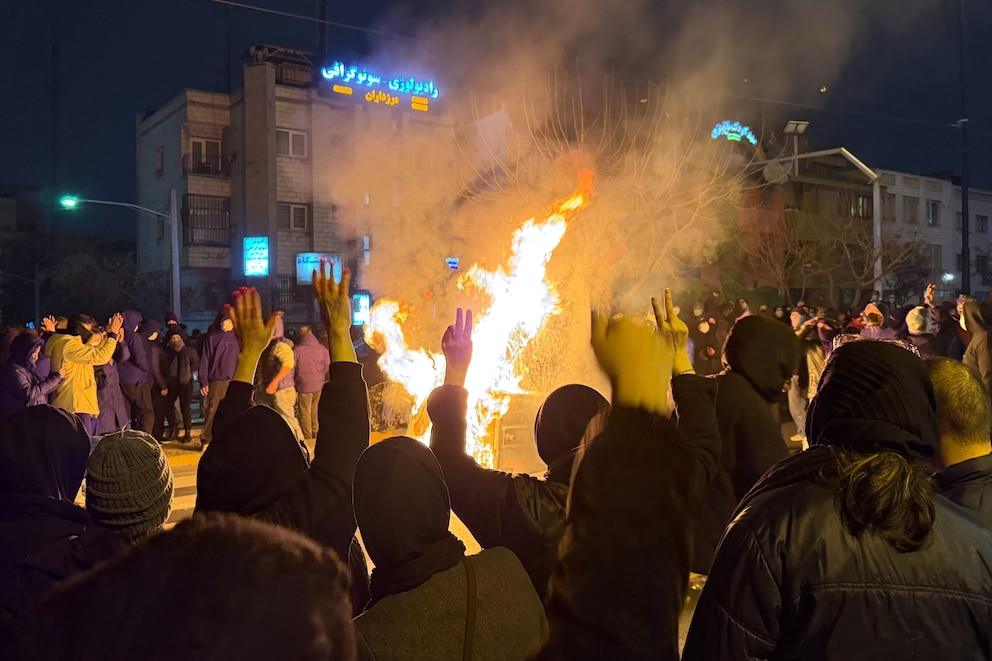
The death toll from the repression of national protests in Iran reached at least 7,002 people, according to activists, in a context of negotiations with the United States over the Iranian nuclear program and growing regional tensions.
The Human Rights Activists News Agency (HRANA), based in the United States, released the most recent report on Thursday and maintained that the number of fatalities continues to increase while it manages to verify information within the country.The organization relies on a network of activists in Iran to confirm the deaths.
The gradual increase in the figure occurs in a scenario of communications restrictions.Iranian authorities interrupted internet access and international calls, making independent verification of the data difficult.
The Iranian regime released its only official balance sheet on January 21, when it reported that 3,117 people died.In previous episodes of unrest, Iranian lateocracy underreported or did not report total casualties.
The internal tension coincides with the traditional 40-day mourning calendar observed by the families of the deceased, a period that could reactivate demonstrations and rallies in memory of the victims.
The rising death toll comes as Iran attempts to negotiate with the United States over its nuclear program.A second round of talks remains uncertain, amid diplomatic efforts and political pressure.
Israeli Prime Minister Benjamin Netanyahu directly raised with US President Donald Trump the need to toughen demands on Tehran within the framework of negotiations.
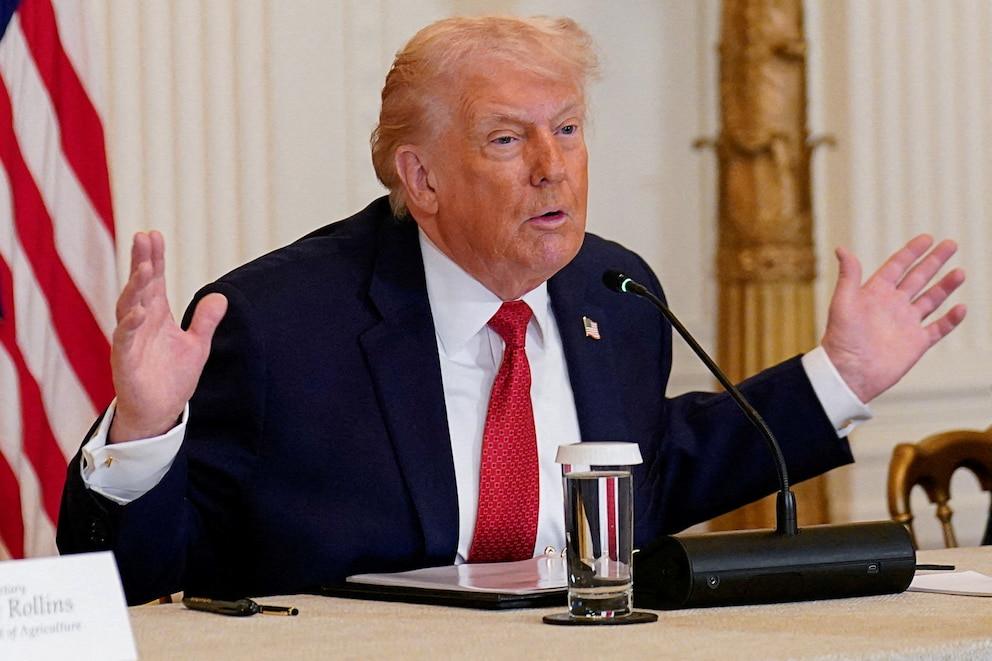
After that exchange, Trump wrote on his Truth Social network: “Nothing definitive was reached beyond the fact that I insisted that negotiations with Iran continue to see if an agreement can be reached. If it can, I let the prime minister know that that would be my preference.”
The president added: “Last time Iran decided they were better off without making a deal and they got hit. That didn’t work out well for them. Let’s hope they are more reasonable and responsible this time.”
In statements to the Axios site, Trump stated that he is considering sending a second aircraft carrier to the region.“We have an armada heading there and another could go too,” he said.
The United States deployed the aircraft carrier USS Abraham Lincoln, along with ships and aircraft, to the Middle East to pressure Iran and maintain attack capacity in the event of a presidential decision.US forces shot down a drone that they said approached the Lincoln and helped a US-flagged ship that Iranian forces tried to stop in the Strait of Hormuz.
Senior Iranian security official Ali Larijani met with Foreign Minister Sheikh Mohammed bin AbdulrahmanAl Thani in Qatar on Wednesday.Qatar is home to a major US military base that Iran attacked in June, after the US bombed Iranian nuclear facilities during the 12-day war between Iran and Israel in June.
Larijani also held meetings with representatives of the Palestinian group Hamas and Yemen’s Tehran-backed Houthi rebels in Oman.
In an interview with the Al Jazeera network, Larijani maintained that Iran did not receive a specific proposal from the United States in Oman, although he acknowledged that there was an “exchange of messages.”
The state-run Qatar News Agency reported that Emir Sheikh Tamim bin Hamad Al Thani spoke with Trump about “the current situation in the region and international efforts aimed at de-escalation and strengthening regional security and peace,” without offering further details.
(With information from Associated Press)

