


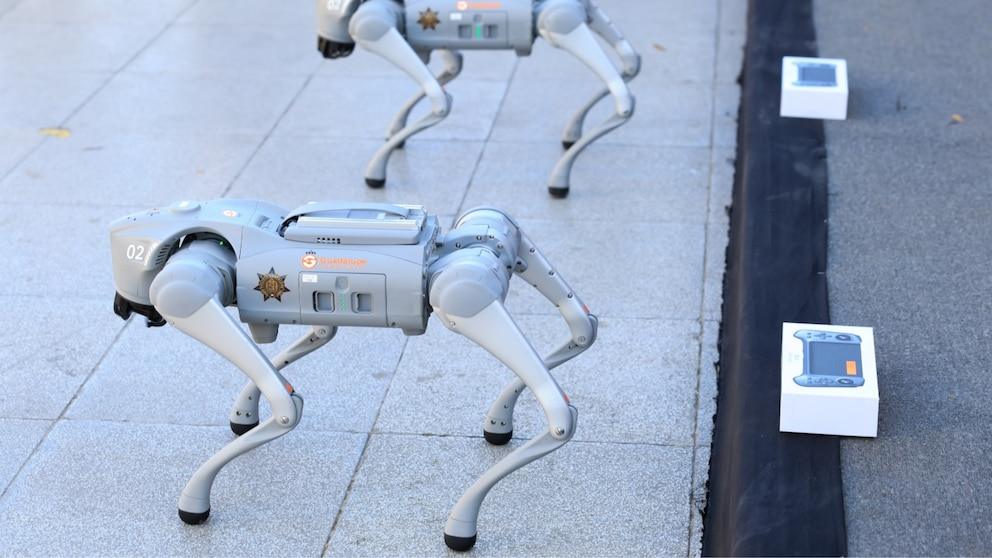
The city of Guadalupe, in the metropolitan area of Monterrey, will be a pioneer in the use of robot dogs to reinforce security during the 2026 FIFA World Cup, which will be held in Mexico, the United States and Canada.
These devices, known as the K9-X division, will be part of the surveillance and early response strategy around stadiums and large crowds in the most anticipated sporting event of the year.
The acquisition of the four robot dogs represented an investment of approximately 2.5 million pesos (about 145 thousand dollars) by the Guadalupe council.The devices are equipped with high-resolution cameras, night vision lenses and resistant materials that allow them to navigate uneven terrain, climb stairs and operate in low visibility conditions.
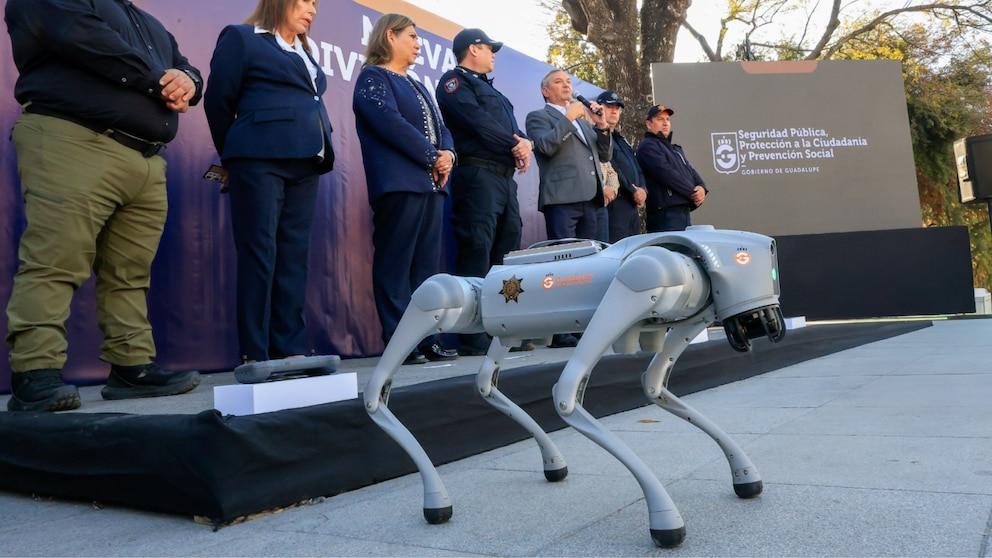
During a public demonstration, one of these robots entered an abandoned building and transmitted images in real time to agents stationed at a distance.In that scenario, the robot confronted an armed individual and even used its loudspeaker to order him to put down his weapon, showing its ability to intervene in risky situations without exposing the officers.
The mayor of Guadalupe, Héctor García, explained that the objective of these robot dogs is to protect the physical integrity of police officers, allowing the robots to be the first to enter potentially dangerous scenarios.
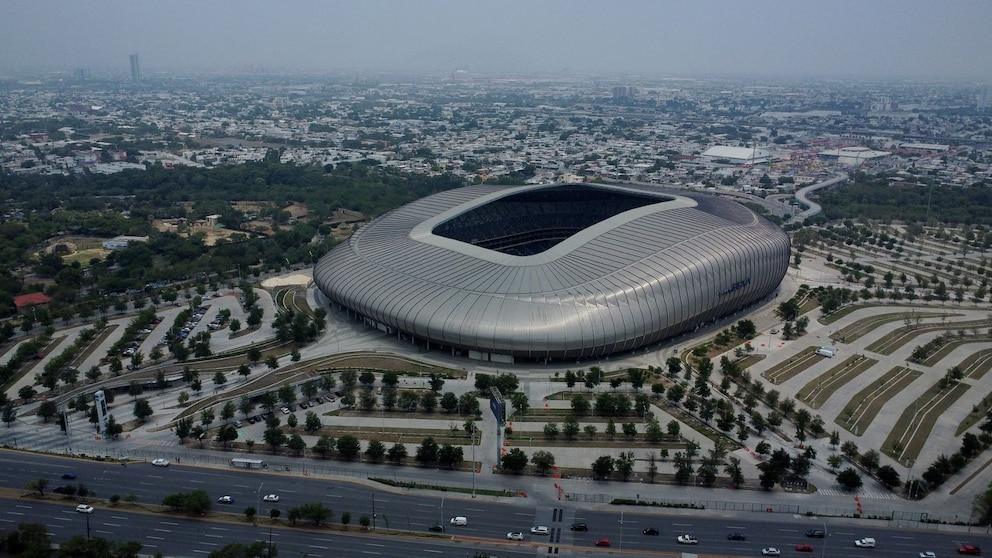
Its use will focus on altercations, incidents with intoxicated people and difficult-to-access areas around the World Cup venues, such as the BBVA Stadium, which will be renamed Monterrey Stadium during the tournament and will host four matches.
Authorities emphasize that these robots are unarmed and their function is limited to surveillance, communication and risk assessment, acting as the eyes and ears of the police before officers intervene directly.
The implementation of robot dogs is integrated into a broader security plan that includes increased patrols and the incorporation of aerial surveillance systems, such as drones and anti-drone technology, to monitor crowds and prevent incidents in real time.
With the expectation of receiving millions of international visitors, the main challenge will be early detection of threats, crowd control and rapid response to any irregular situation.

International experience shows that patrol robots have already been used by police and military forces in tasks such as deactivation of explosives, reconnaissance and disaster response, and now they are added to the protection of major sporting events.
In Guadeloupe, the commitment to the use of automated technology seeks to reduce risks for staff and improve the capacity to react to incidents during one of the most monitored events in the world.
These advances reflect a global trend towards the integration of robotic solutions in public security, with the aim of anticipating possible threats and protecting both attendees and police forces in scenarios of high attendance and logistical complexity.

