


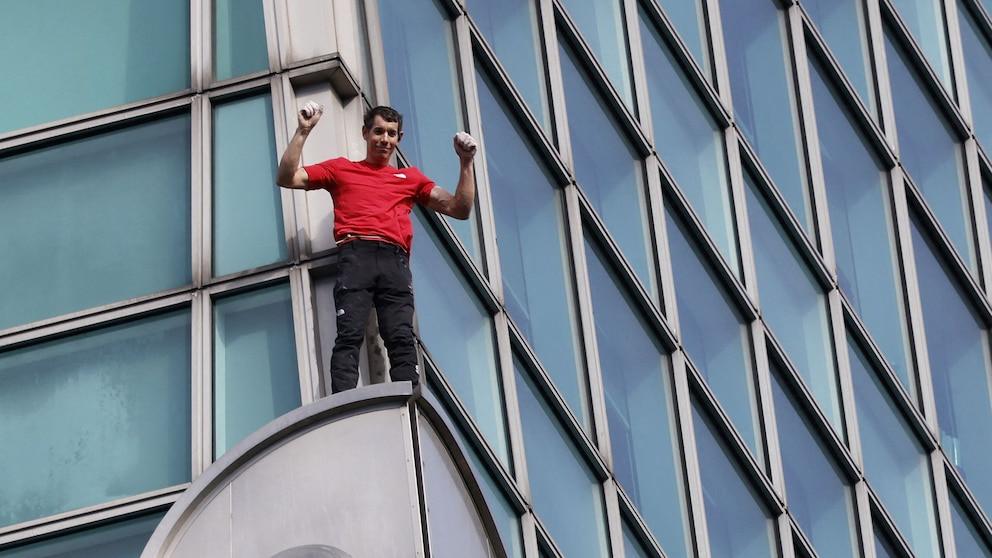
Alex Honnold’s climb of the Taipei 101 skyscraper in Taiwan attracted international attention for two main reasons: the extreme danger of the climb and the amount he received from Netflix for doing it.
The broadcast, made by the platform and seen by millions of people, showed Honnold climbing 508 meters in height without ropes or protective equipment, allowing him to set a new world record in solo urban climbing.
Despite the deployment, the figure that the climber obtained for his participation was a cause for surprise.
Honnold himself defined it as “an embarrassingly small amount,” especially when compared to the salaries of baseball players or other disciplines in the United States.
“If there had been no show and I only had the opportunity to do it, I would do it for free,” he told The New York Times.
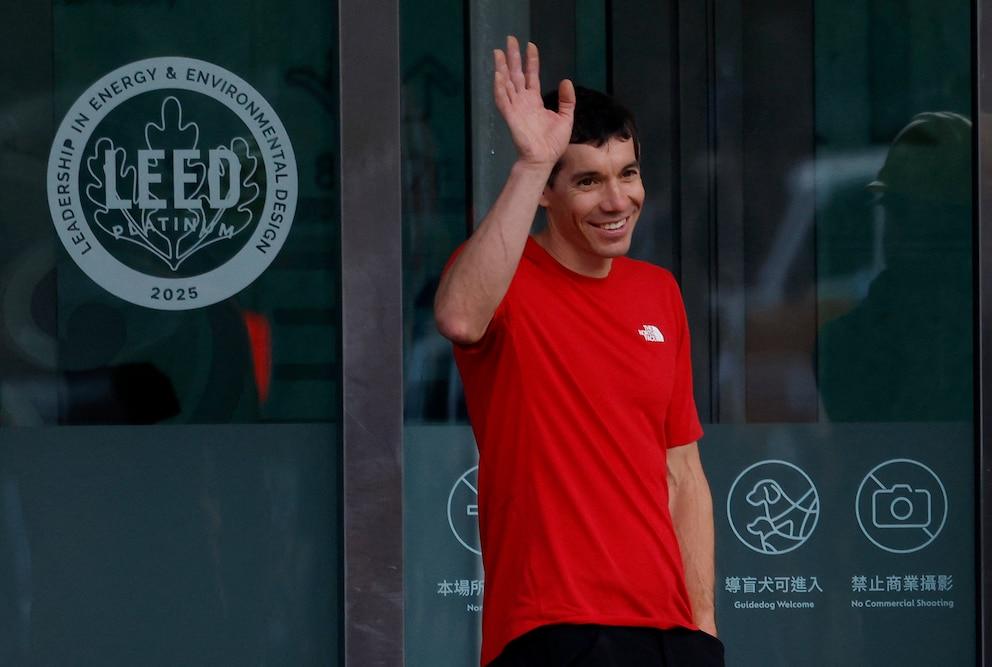
He made it clear that the payment was not for scaling the building, but for being part of a massive event.
“I’m not getting money for climbing the building. I’m getting paid for the show. I’m climbing the building for free,” said Honnold, known for his previous participation in the documentary Free Solo.
When asked if he had received millions of USD, he was direct: “No. So yes, an embarrassingly small amount.”
He added that the sum was “less than what my agent was aiming for.”
According to sources close to the organization, the payment was in the “middle six digits” range in USD, that is, between USD 400,000 and USD 600,000.

Although for many the amount may seem high, within the universe of professional sports and entertainment it is low, especially if the risk that the climber assumed is taken into account.
The comparison with contracts of other athletes was a topic of conversation.AlexHonnold mentioned that in traditional sports, like baseball, there are little-known players who reach agreements for USD 170 million.
In contrast, the sum received for climbing Taipei 101 seems smaller, even if it is the largest he has received in his career for a single activity.
Honnold’s approach to money remains constant.For years, he assured that his motivation is personal challenges and the possibility of living unique experiences.
He stated that he would have carried out the climb without receiving payment, as long as he had authorization from the local authorities and the building.
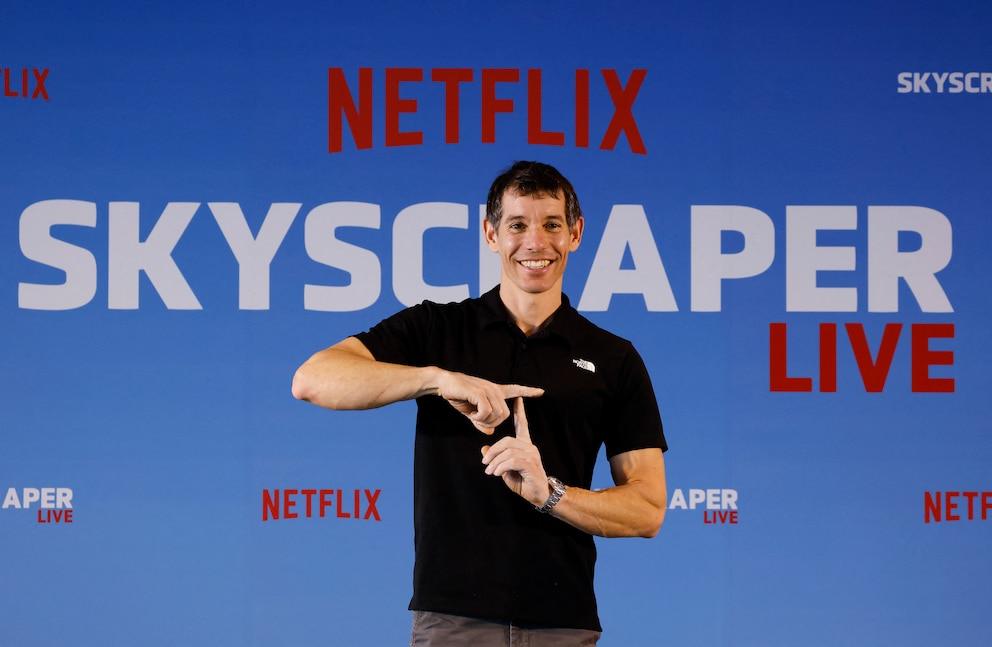
His career shows consistency with this position: he lived for more than a decade in a van adapted to be able to get closer to natural and national areas, only buying his first home in Las Vegas in 2020.
In addition, since 2012 it has donated a third of its income to solar energy projects and the Honnold Foundation.
The Netflix stream included technical safety measures, such as a 10-second delay, to avoid showing any unwanted images in the event of an accident.
From production it was explained that, in the event of any incident, the signal would be interrupted.
For Honnold, the experience of contemplating the city from the top of the building was the most valuable.
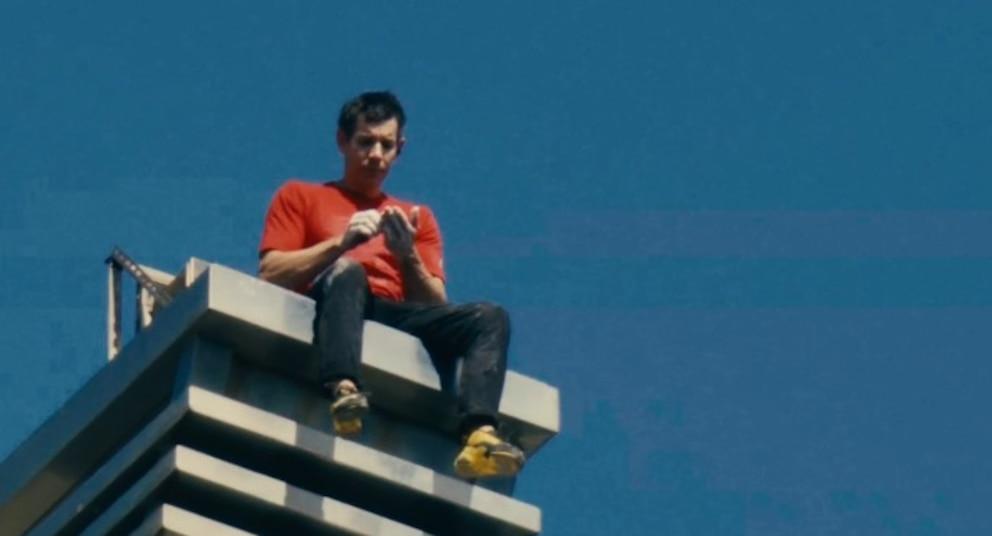
“Just sitting at the top of the spire is crazy. It’s the best way to see Taipei,” he said after finishing the climb.
The impact among those who followed the event was immediate.Many were surprised by the amount paid, especially when compared to the sums received by entertainment figures or lower-risk sports.
Some comments on social networks and specialized forums lamented that those who take on extreme challenges and offer unique experiences receive less money than celebrities from other areas.
Outside of his sporting performance, in 2019 he became engaged to Sanni McCandless, whom he married in 2020 and had two daughters in 2022 and 2024.

