


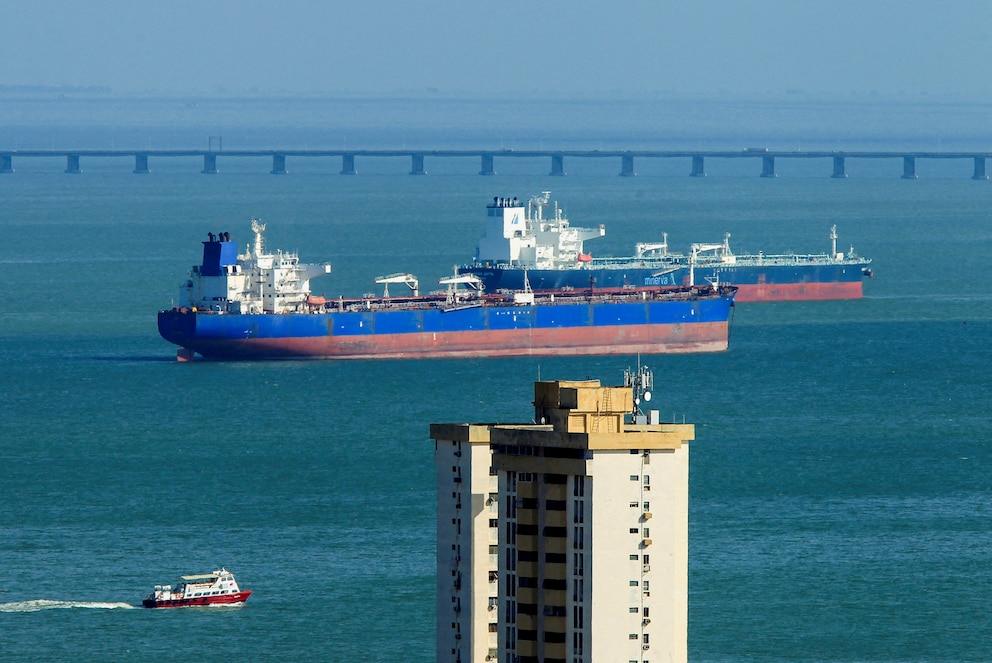
The United States authorized a new framework of operations linked to the energy and logistics sector of Venezuela through the issuance of three general licenses that enable the trade of oil of Venezuelan origin, the provision of goods and services for the hydrocarbon industry and the transactions necessary for the operation of the country’s ports and airports, maintaining in force the sanctions against the Venezuelan regime and the state-owned Petróleos de Venezuela (PDVSA).
The provisions were published by the Office of Foreign Assets Control (OFAC) of the Treasury Department and are contained in general licenses 46A, 48 and 30B, issued this Tuesday.
General License 46A authorizes certain US companies to participate in the marketing, transportation and refining of oil of Venezuelan origin, even when PDVSA or entities controlled by the state intervene.The text enables, among other activities, the lifting, exportation, re-export, sale, resale, supply, storage, marketing, purchase, delivery or transportation of oil of Venezuelan origin, including the refining of that crude oil, as long as they are carried out by an established US entity.
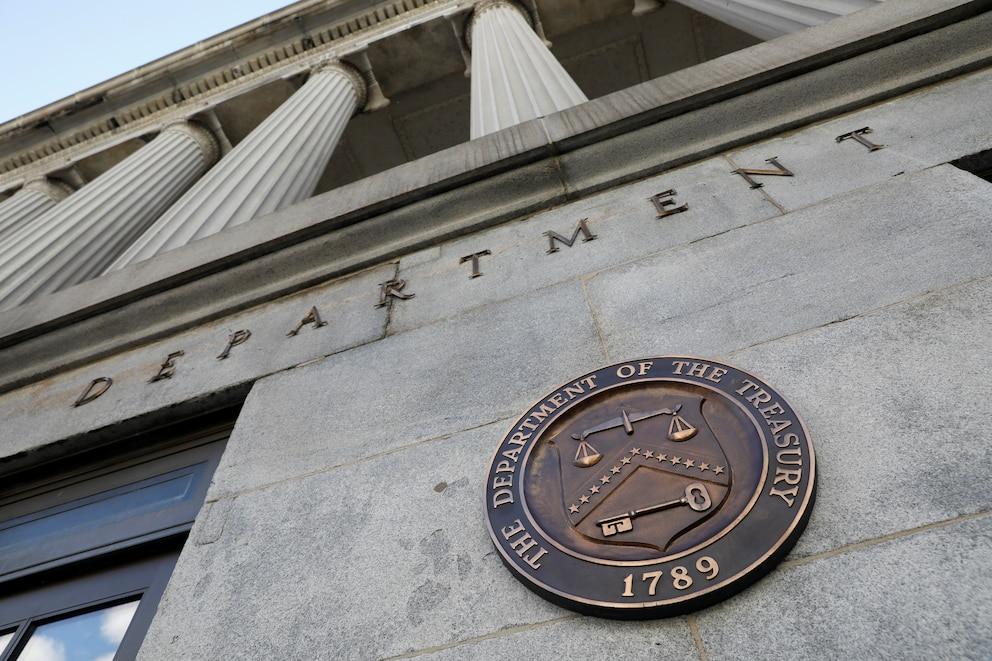
The standard defines a qualified company as any entity incorporated in the United States before January 29, 2025 and establishes mandatory contractual conditions.Agreements with the Venezuelan regime or with PDVSA must be governed by US laws and any dispute must be resolved in US courts.In addition, all payments to blocked persons must be channeled into special accounts under the control of the US government.
The license also allows the contracting of ships, marine insurance and terminal services, and even authorizes commercial payments through exchanges of crude oil, diluents or refined products, as long as they are commercially reasonable.
However, the text excludes operations with people or entities linked to Russia, Iran, North Korea or Cuba, and prohibits transactions with companies from Venezuela or the United States that are controlled by Chinese companies. The use of cryptocurrencies, payments in gold, debt swaps or operations with sanctioned ships is also not authorized.
In parallel, General License 48 enables the provision from the United States of goods, technology and services for the exploration, development, production and maintenance of oil and gas operations in Venezuela.The authorization covers activities that involve the Venezuelan regime, PDVSA and its subsidiaries, as long as the contracts are subject to US legislation and that the payments follow the same financial control scheme.

The document specifies that activities such as the organization of maritime transport and logistics services are included, including the contracting of vessels, obtaining maritime insurance and protection and compensation coverage (P
The license expressly excludes the creation of new joint ventures in Venezuela to explore or produce hydrocarbons and prohibits any operation that involves the export or re-export of diluents to the country.
As a third component, General License 30B authorizes transactions essential for the operation and use of Venezuelan ports and airports. The authorization covers both operations that involve the Government of Venezuela and activities linked to the National Institute of Aquatic Spaces (INEA) and its controlled entities.
The authorization covers only transactions that are normally incidental and necessary for the operations or use of ports and airports in Venezuela and does not extend to other organizations, companies or officials that are blocked under other sanctions programs.

OFAC stressed that this license does not eliminate or suspend other financial and trade restrictions and that any operation must continue to comply with the requirements of other federal agencies, including export controls.
In the case of Venezuelan oil trade to third countries, companies must present detailed reports to the US government on the parties involved, volumes, values, final destinations and any payments made to the Venezuelan State.
The three licenses configure a highly regulated operational reopening scheme, which allows the flow of Venezuelan crude oil, the technical support of the energy industry and the continuity of port and airport infrastructure, under contracts subject to US jurisdiction and with direct control of payments linked to sanctioned entities.

