


The United States and Iran began indirect negotiations on Tehran’s nuclear program in Muscat, the capital of Oman.This dialogue seeks to avoid a further escalation of the conflict in the Middle East, in a context of marked mutual mistrust and concern about a possible confrontation.
The Times of Israel newspaper confirmed that contacts between the American and Iranian delegations occur through Omani intermediaries, in a process marked by security and distancing between the parties.
The current talks resume previous attempts that had remained frozen for months, after the United States abandoned the nuclear agreement in 2018 and regional tensions increased.
The Government of Oman took a crucial role as a mediator.Times of Israel reported that negotiations were originally due to begin at 10:00 a.m. local time, but Iran’s semi-official Mehr news agency reported that they were delayed by about an hour.
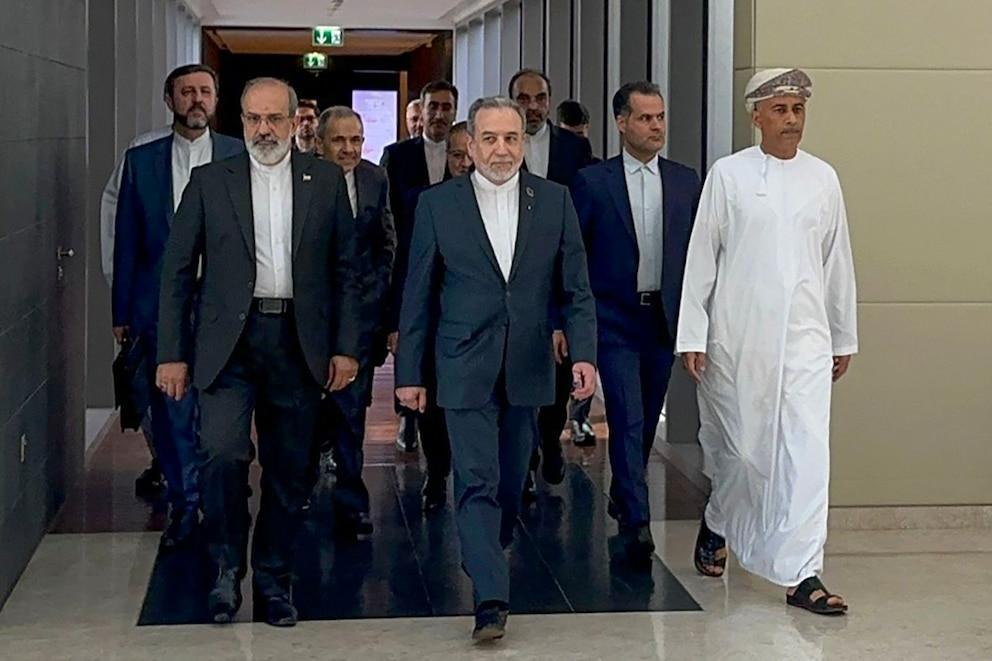
The talks appeared to last about an hour and a half, after which a motorcade believed to be carrying American officials left the palace, outside Muscat, where the talks were being held. An Iranian convoy had arrived and left earlier.
There was no immediate comment from U.S. officials and it was unclear whether that was the end of the day’s talks.However, the palace remained empty after the departure of the convoys.
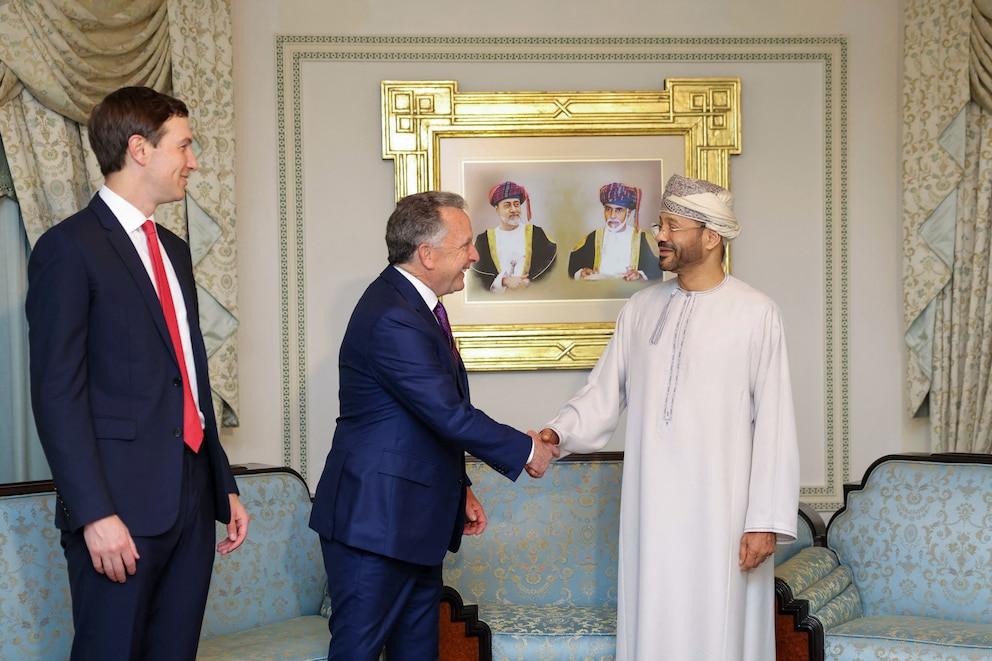
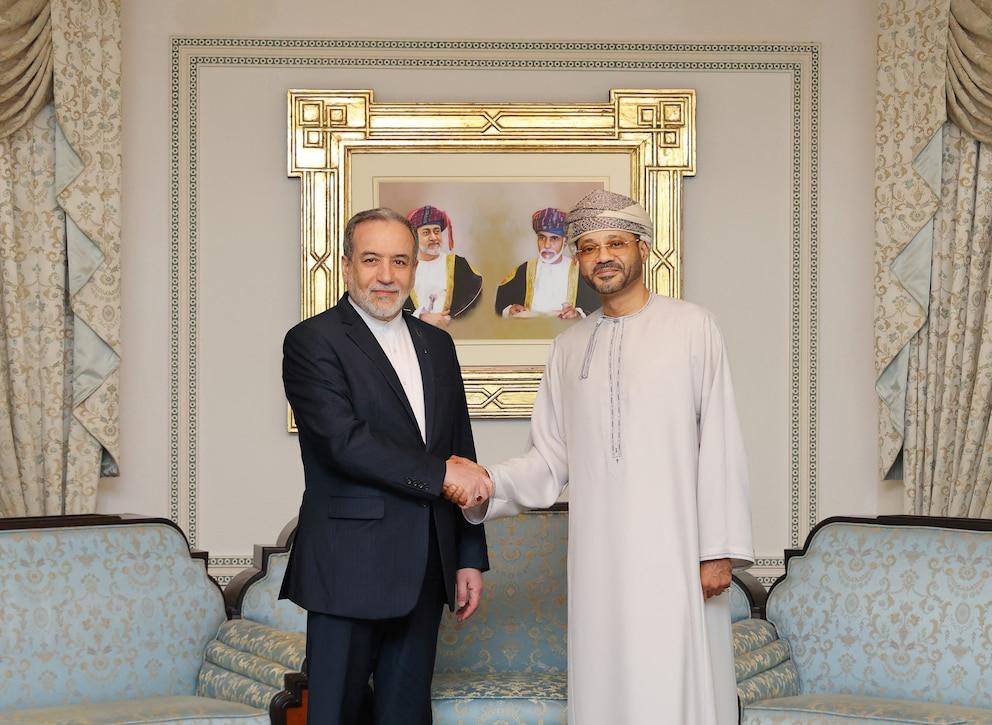
Oman’s Foreign Ministry later confirmed on the social network X that it had mediated the talks between Iran and the United States regarding the Iranian nuclear program.The Omani Foreign Minister, Badr al-Busaidi, met separately with the Iranian Foreign Minister, Abbas Araghchi, and later with the United States special envoy for the Middle East, Steve Witkoff, and with the White House advisor, Jared Kushner, son-in-law of US President Donald Trump, according to the Omani Foreign Ministry.
“The consultations focused on preparing the appropriate circumstances to resume diplomatic and technical negotiations, ensuring the importance of these negotiations, in light of the determination of the parties to ensure their success in achieving sustainable security and stability,” said the Foreign Ministry of Oman.
Muscat offers a neutral environment that allows dialogue without direct political implications for participants.The EFE news agency specified that “Oman seeks to reduce tensions and facilitate a safe space for dialogue,” while the Times of Israel highlighted this country’s history as a discreet facilitator in regional disputes.
The meeting takes place under strict confidentiality, increasing the possibilities of advancement away from media pressure.
Among the main points of disagreement are the level of uranium enrichment by Iran and the economic sanctions promoted by Washington.Times of Israel indicated that US officials have reiterated their concern over Iranian nuclear advances, while the Iranian delegation demanded a lifting of sanctions and guarantees on compliance with future agreements.
According to sources, no tangible progress has been made so far and the demands of each side remain separate.
The prospects for this new round of talks are limited.“Expectations remain low on both sides due to the lack of concrete commitments,” indicated familiar sources.
Despite the desire to continue contact, the atmosphere is perceived with skepticism and caution.
The regional context amplifies the pressure at the negotiating table.The growing tensions in the Middle East, associated with the stagnation of previous diplomatic processes and the intensification of international sanctions, sustain the fear that any mistake will cause an unwanted escalation.

