


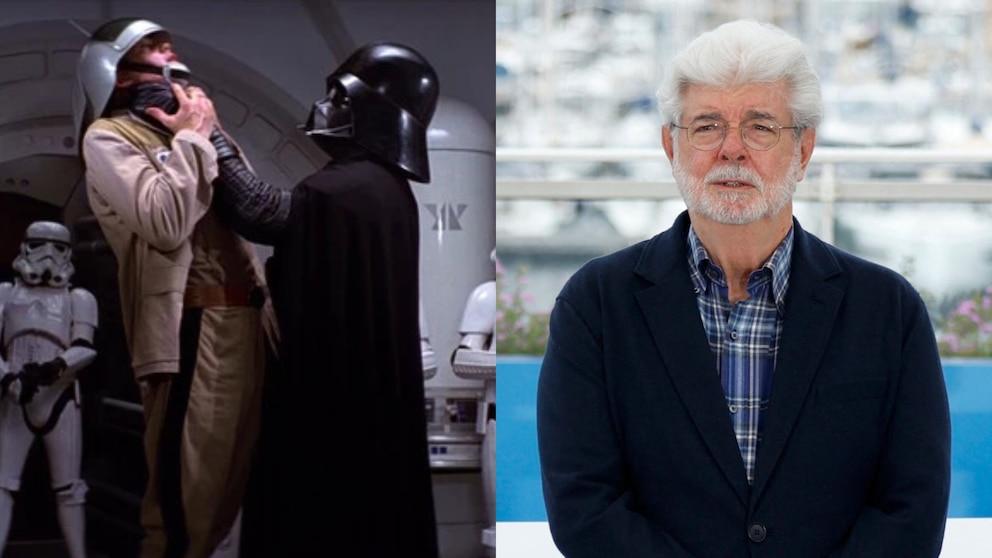
In 1971, George Lucas was going through a delicate financial situation.After the screening of his first feature film, THX 1138, at the Cannes Festival, the then young American director faced difficulties even in covering basic expenses, such as his hotel bill.
In that context, at 27 years old and with a career still in its infancy, he made a decision that would eventually become one of the most striking anecdotes in the history of cinema.
During his stay in Cannes, Lucas met with David Picker, who at the time was serving as president of the United Artists (UA) studio.The objective of the meeting was to present some projects seeking immediate financing.
Among the ideas he mentioned was an adventure film set in space, which he vaguely described as a “kind of space opera.”

The conversation quickly led to an agreement.At the end of the meeting, Lucas had signed the transfer of the rights to two projects—Star Wars and AmericanGraffiti—in exchange for a total of 10 thousand dollars.
The sum, modest even for the time, responded more to the director’s financial urgency than to an evaluation of the works’ potential.
The agreement, however, had no immediate consequences.United Artists ended up scrapping both projects, in part because the studio found the script for American Graffiti unsatisfactory.
Years later, Picker himself would admit that he did not even remember closing that deal, given the amount involved and the little development that the proposals had within the study.

This episode is part of the book The Last Kings of Hollywood: Coppola, Lucas, Spielberg, and the Battle for the Soul of American Cinema, by journalist Paul Fischer, which reconstructs the professional beginnings of George Lucas along with other directors who would later define American commercial cinema, such as Steven Spielberg and Francis Ford Coppola.
The story exposes a period marked by hasty decisions, rejected projects and strong creative and financial uncertainty.
In those years, Lucas turned down other opportunities that could have brought him financial stability, such as directing film adaptations of Tommy and Hair.
Despite his situation, he insisted on developing original works.That position led him to continue working on American Graffiti, which finally premiered in 1973 with commercial and critical success, and to resume the development of Star Wars.
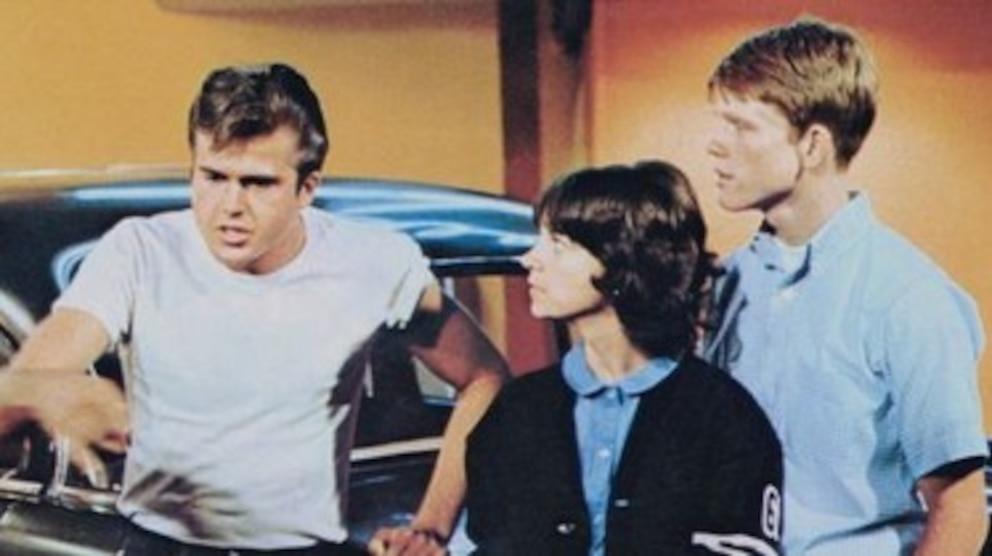
After several rejections, the filmmaker got 20th Century Fox to agree to produce Star Wars.The deal was closed in part thanks to the backing of executive Alan Ladd Jr., who admitted not fully understanding the project but trusted the director’s talent.
Still, the process was far from simple.Filming was affected by technical problems, doubts from the cast, and a tight budget, which contributed to Lucas’s discouragement once filming was completed in 1976.
The release of Star Wars in 1977 radically changed the course of his career and the film industry.The film became a global phenomenon and transformed George Lucas into one of the most influential filmmakers of his generation.

Over time, it also consolidated a business model based on franchises and derivative rights, an aspect that it had been on the verge of losing years before for a minimal sum.
Decades later, in 2012, the director sold Lucasfilm—including the entire rights to Star Wars and Indiana Jones—to The Walt Disney Company for more than $4 billion.

