


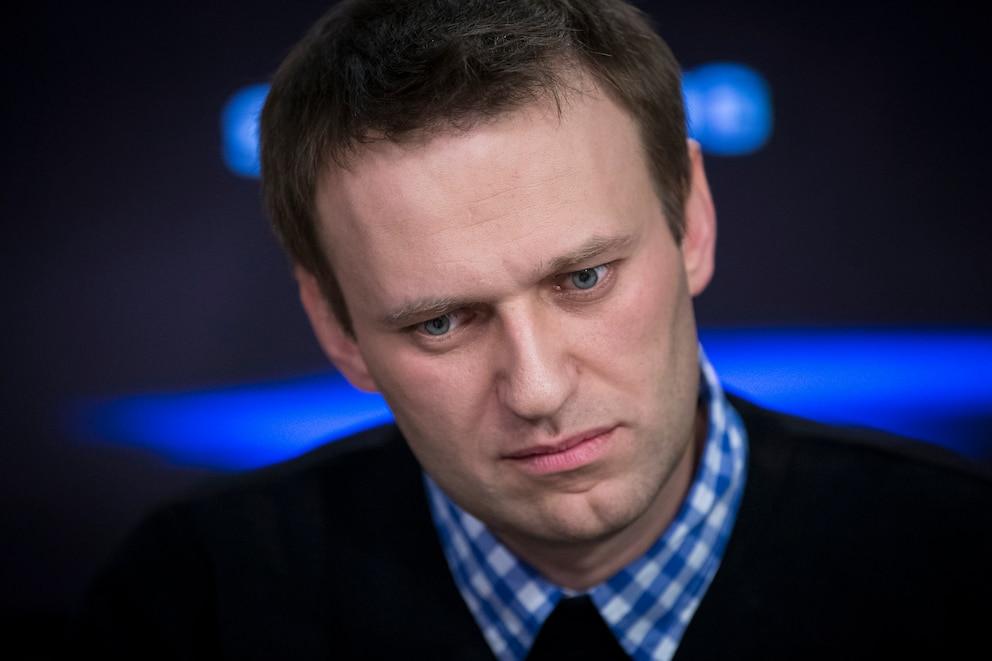
Russian opposition leader Alexei Navalny died in prison from poisoning caused by a lethal toxin found in Ecuadorian dart frogs, the United Kingdom and four other European nations said.
The involvement of a toxin from a South American animal introduces a new element in the cause of the death of the Russian opponent, whose arrest and subsequent death in prison had already provoked international condemnation.
Statements by Western governments about the origin of the poison reinforce suspicions about the deliberate nature of Navalny’s poisoning.
The joint statement was made by the United Kingdom, Sweden, France, Germany and the Netherlands.
These countries stressed that their respective governments reached this conclusion based on samples taken from Navalny, which have conclusively confirmed the presence of this substance called epibatidine.
Russia always claimed that Navalny died of natural causes in prison in February 2024, however, given the toxicity of epibatidine and the reported symptoms, it is very likely that poisoning was the cause of his death, the joint note adds.
It is estimated that this poison is 200 times more powerful than morphine, according to British media today.
The joint statement highlights that the Russian opposition leader lost his life at the age of 47 while in a Siberian prison, which means that Russia had the means, the motive and the opportunity to administer this poison to him.
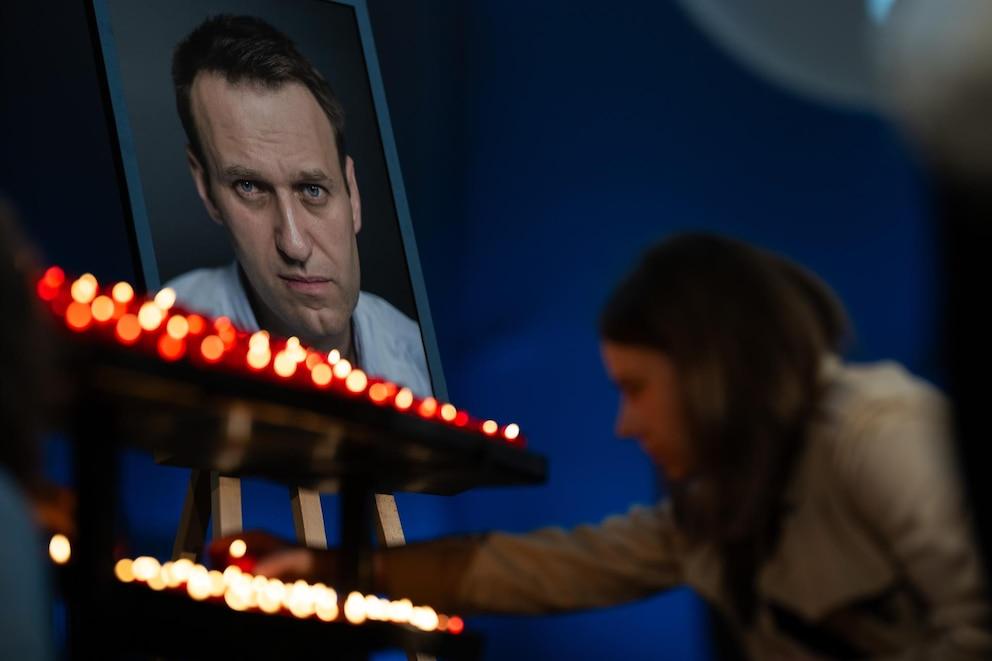
Russia’s repeated disregard for international law and the Chemical Weapons Convention is evident, they add.
In August 2020, the United Kingdom, Sweden, France, Germany, the Netherlands and their allies condemned Russia’s use of novichok to poison Navalny, after that substance was used by Russia in the English town of Salisbury in 2018 to try to assassinate former Russian spy Sergei Skripal.
In both cases, only the Russian State had the means, the motive and the disregard for international law to carry out these attacks, the joint note points out.
These latest findings underscore once again the need to hold Russia accountable for its repeated violations of the Chemical Weapons Convention and, in this case, the Biological Weapons Convention.
“Our Permanent Representatives to the Organization for the Prohibition of Chemical Weapons have written today to the director general to inform him of this violation by Russia of the Chemical Weapons Convention. We are also concerned that Russia has not destroyed all of its chemical weapons,” they indicate.
The United Kingdom, Sweden, France, Germany and the Netherlands affirm that they will use “all political instruments” at their disposal to continue holding Russia accountable.
British media note that it is unclear how the poison was allegedly administered to Navalny.
The widow of the Russian dissident, Yulia Navalnaya, appeared today at a press conference parallel to the Security Conference being held in Munich to announce the discovery.
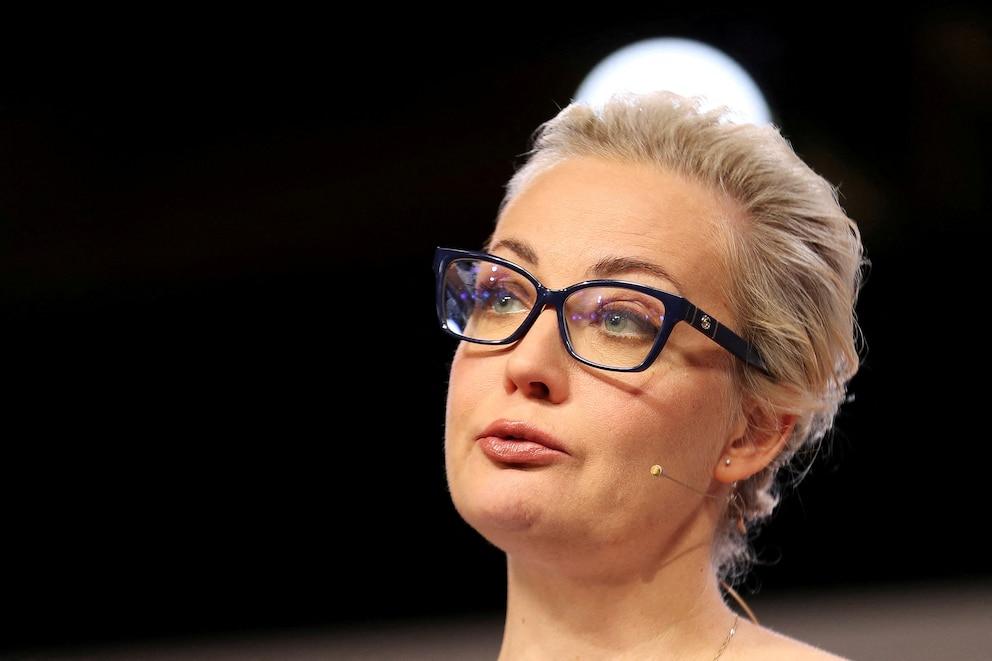
At that press conference, British Foreign Minister Yvette Cooper said that since Navalny’s death, the United Kingdom has investigated “with determination” the truth about his death.
“Only the Russian Government had the means, the motive and the opportunity to use this lethal toxin against Alexei Navalny during his imprisonment in Russia. Today, together with his widow, the United Kingdom sheds light on the Kremlin’s barbaric plot to silence his voice,” Cooper added.
News in development…

