


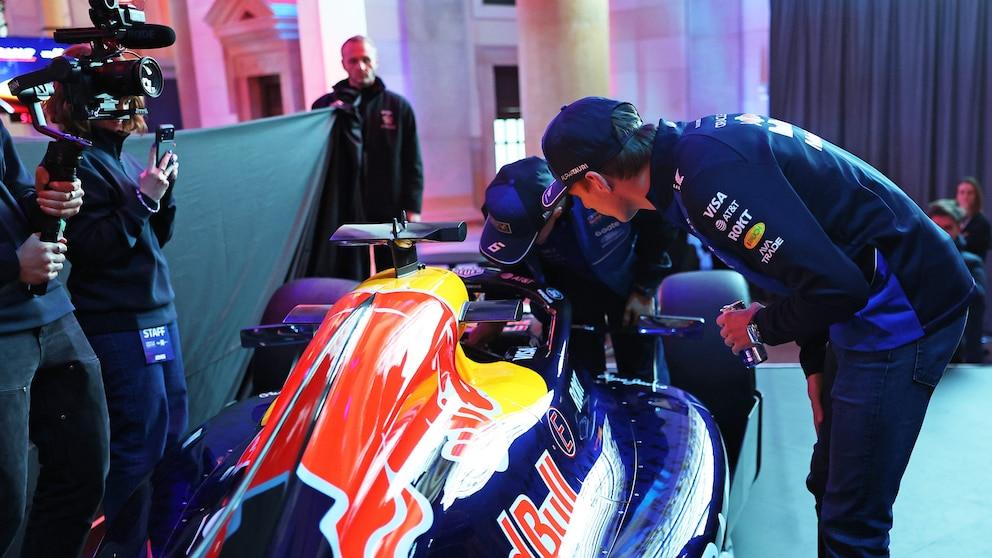
The growing sophistication of the staging of Formula 1 launches increasingly relies on the technological expertise of specialized companies.Behind each car presented by the teams at these events is the detailed work of a specialized company, responsible for producing the official exhibition cars, whose realism is such that even experienced drivers, such as Max Verstappen, are surprised by the level of fidelity achieved, to the point of questioning whether the elements, such as the steering wheel, are real or just simulators.
During the final launch of the season, Verstappen showed off the steering wheel of the exposed vehicle, questioning his teammate Isak Hajdar and the team about its provenance.The Dutch driver’s doubts were dispelled when he learned that neither the steering wheel nor the car in question were manufactured by RedBull, but by Memento Exclusives, a British company that transformed the show car industry, detailed Barry Gough, executive director, in a report published by the specialized site The Race.
This display is not exclusive to the energy drink team: both Audi and Cadillac also relied on hyper-realistic models to reveal their designs to the public.An open secret that was revealed before the start of the 2026 season.
With a projection of 180 exhibition cars manufactured this year, the company is emerging as the world’s largest producer of F1 models.The growth of the business was dizzying: from starting as a small sports memorabilia firm, today the company employs 120 people in a plant of more than 6,500 square meters (70,000 square feet), with an annual revenue forecast of 75 million pounds sterling (about USD 95 million), of which 45 million will come from manufacturing and 30 million from memorabilia.
The development of each vehicle is a process that can take up to eight months in its initial projects, although the standard period is around 18 weeks once the CAD design drawings of the equipment have been received, Gough explained to the British media.The quality standard requires the incorporation of professionals with experience in the elite of Formula 1, including designers who have passed through leading teams and those responsible for technical areas such as Terry Wasyliw, former head of composite materials assembly at Mercedes F1 for more than two decades.
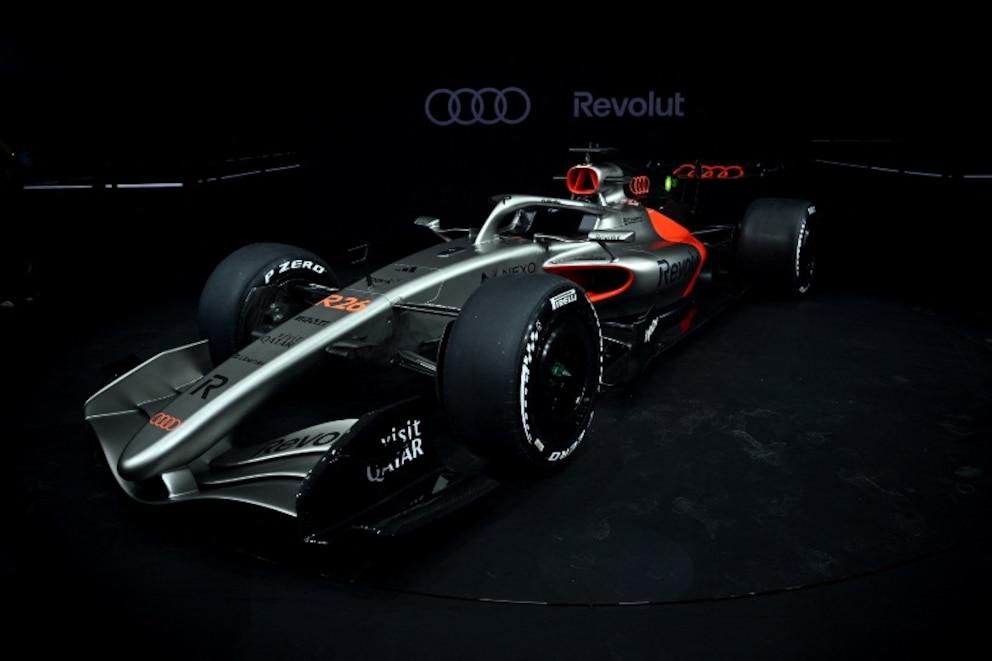
The challenge is not limited to the exterior appearance.Although these cars lack functional systems (they do not include brakes or operating hydraulics), all visible components are made of carbon fiber and materials identical to the originals.“We have a simulated engine, but it looks authentic. The rear impact structure is carbon and looks real, as do the rain lights and the suspension,” Gough described to The Race.Even the steering wheels, made of carbon fiber, are indistinguishable in appearance and external functionality from the originals: “Teams now use them on the tracks to show guests what an F1 steering wheel is really like. They have the same buttons and levers, and they all work,” the manager noted.
Memento adapts each model to the particular needs and demands of the teams, creating personalized units beyond a simple color modification.The construction of exclusive cars is subject to the delivery of aerodynamic and structural designs by each team, with confidentiality agreements that guarantee technological protection: “We use the teams’ CAD plans and customize each model without accessing their key secrets. There is a lot of trust and confidentiality agreements signed with everyone,” the general director emphasized to The Race.
This attention to detail led the firm to develop new applications, such as the creation of simulators based on its show cars and platforms for tire changing practices at promotional events. Gough pointed out that, with future adaptations, they do not rule out incorporating electric motors that allow these models to be used for real pit stop training.
The price of a show vehicle varies depending on the specifications and adaptations requested by the teams, but the standard cost is around £500,000 (approximately USD 635,000), according to what Gough reported.“Our cars are not cheap, but the teams (as Red Bull demonstrated at its launch) use them as a centerpiece,” concluded the head of Memento Exclusives.

