


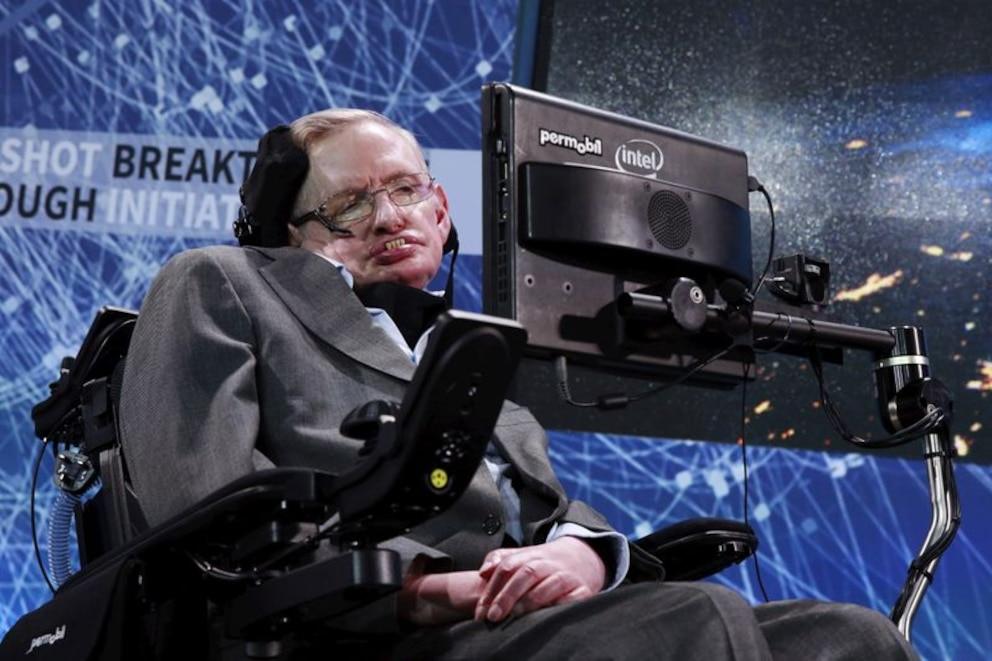
Throughout his life, Stephen Hawking established himself as one of the main exponents of theoretical physics and cosmology, leaving a legacy that transcends the academic field.Among his reflections, a phrase stands out that has been interpreted as a summary of his experience and that invites us to look with different eyes at those who, from silence, hide intense intellectual activity.
“Calm and silent people are the ones who have the strongest and loudest minds.”This sentence, attributed to Hawking himself, summarizes the relationship between introspection and genius, and connects directly with his biography.
Born on January 8, 1942 in Oxford, Hawking was marked by adversity from a very young age.The diagnosis of amyotrophic lateral sclerosis (ALS) at the age of 21 marked a radical change in his existence.The progressive and devastating disease almost completely limited his mobility and forced him to communicate using a voice synthesizer.
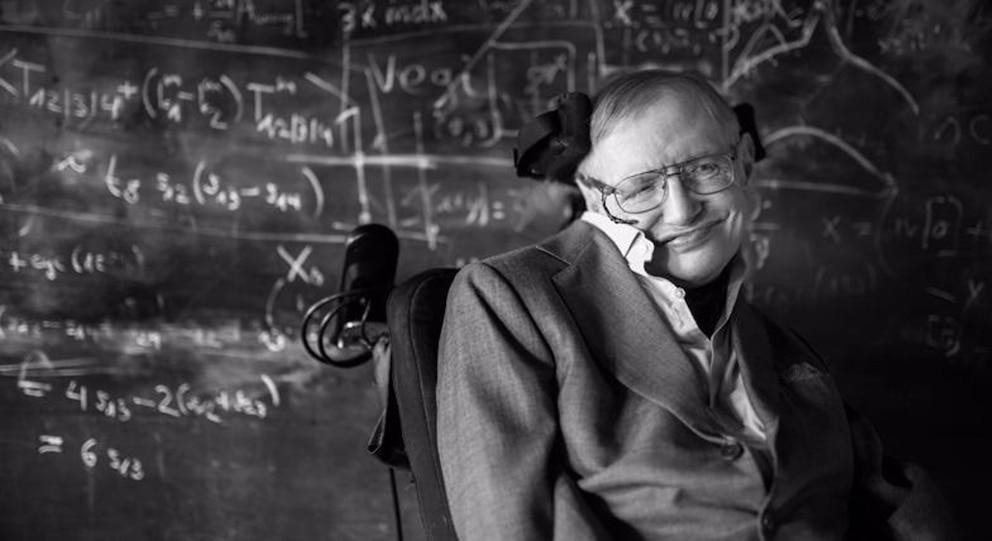
Despite this outlook, Hawking defied medical prognoses and continued researching and teaching for more than half a century.
Graduated with honors in Physics from Oxford and postgraduate in Cosmology from Cambridge, Hawking demonstrated that the passion for knowledge can overcome any physical obstacle.
His story is also one of an iron will and an extraordinary capacity for adaptation, which allowed him to contribute to the advancement of science and become a reference for millions.
The phrase “Calm and quiet people are those who have the strongest and loudest minds” has been understood as a synthesis of Hawking’s own experience.His life was marked by the contrast between physical limitations and a mind in constant ferment, capable of formulating revolutionary theories and communicating complex ideas even when the body could not keep up with that rhythm.
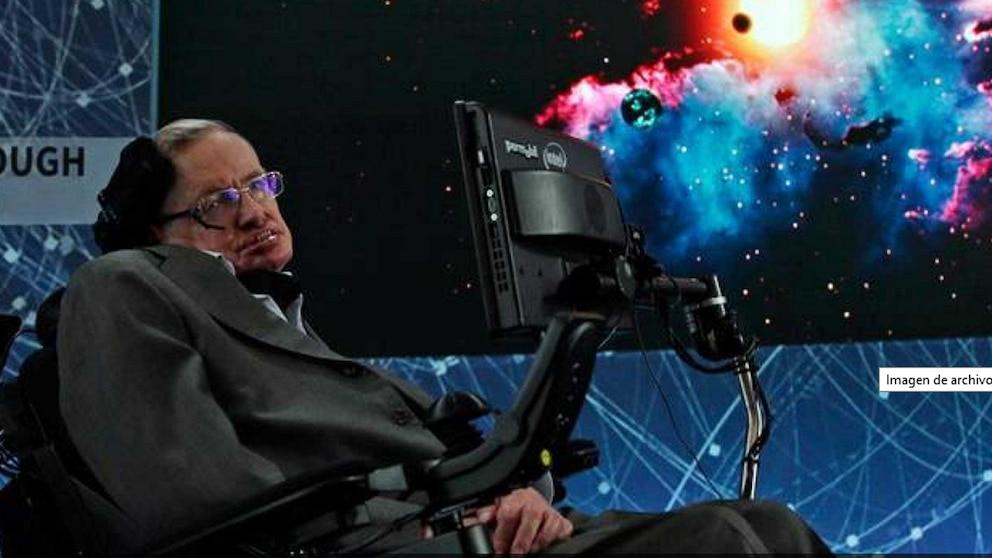
Beyond their personal situation, the phrase values the creativity, introspection and intellectual power of those who do not always seek prominence.Through his example, the scientist invites us to recognize that, in many cases, genius is hidden behind a discreet appearance.
In 1974, Stephen Hawking presented one of his most relevant contributions: the theory that black holes emit thermal radiation due to quantum effects, a phenomenon today known as Hawking radiation.
This proposal integrated concepts from quantum mechanics and general relativity, and transformed scientific understanding of the behavior of the most enigmatic objects in the cosmos.
His ability to bring science to the general public was equally notable. Books such as ‘A Brief History of Time’ managed to popularize complex topics such as the Big Bang, space-time and the final destiny of the universe, reaching millions of readers and consolidating his figure as a popularizer.
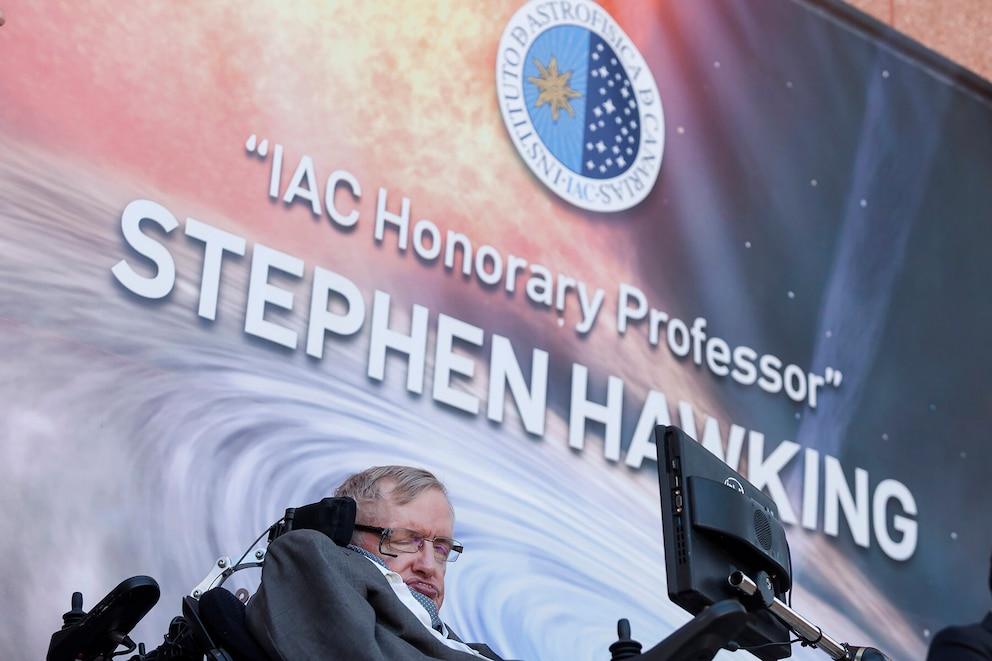
Throughout his career, Hawking earned high-level distinctions, including membership in the Royal Society, the Copley Medal, and the United States Presidential Medal of Freedom in 2009.
His impact transcended laboratories and classrooms, reaching popular culture through ‘appearances’ in television series and film productions that portrayed his life and achievements.
Stephen Hawking not only studied the origin and fundamental laws of the universe, but also warned about the existential risks facing humanity.One of its most forceful messages was the need to expand the human presence beyond Earth.
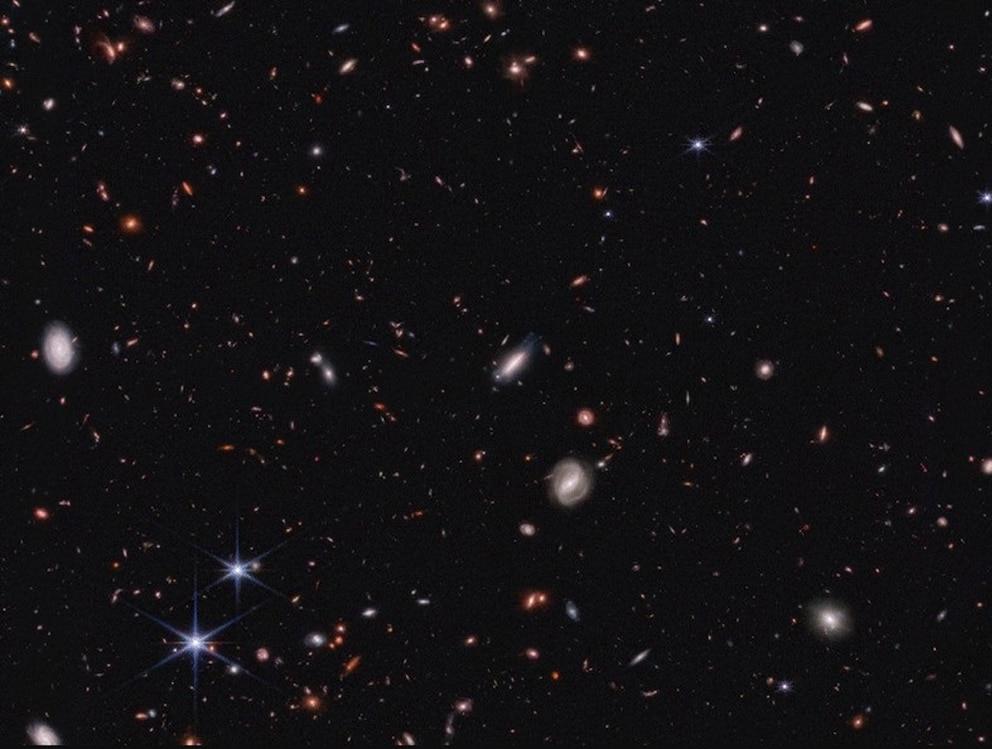
In his own words: “I don’t think humanity will survive in the next thousand years, at least without us propagating in space.”
Hawking considered that threats such as natural catastrophes, wars or diseases could endanger the continuity of the species, and that only the colonization of space offered a true opportunity for survival. “We have to continue exploring space for the future of humanity,” he emphasized on several occasions.
For the physicist, the impulse to look beyond known limits responded to both scientific curiosity and the strategic need to guarantee the future of civilization.His legacy, anchored in research and dissemination, maintains the invitation to think and dream beyond the immediate.

