


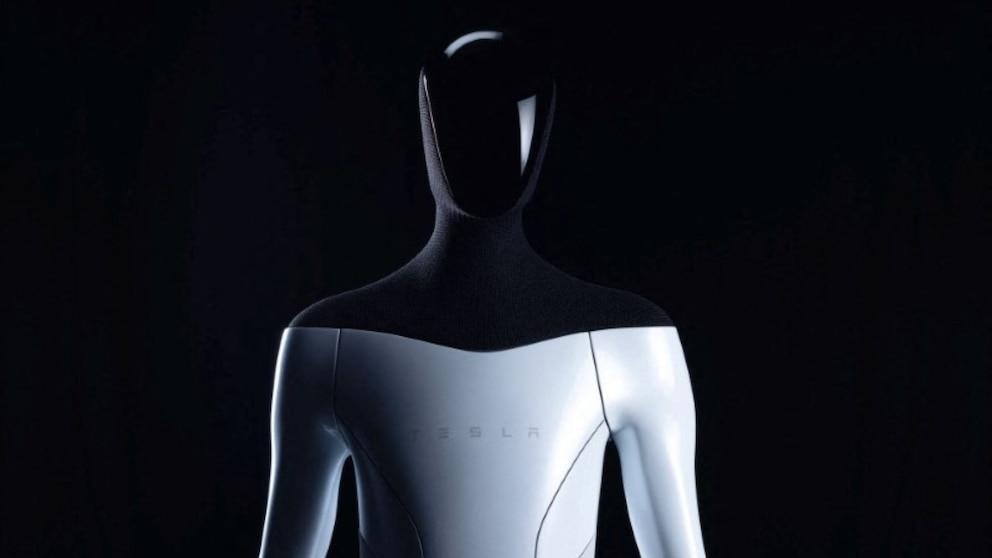
Businessman Elon Musk surprised at the World Economic Forum in Davos by stating that humanoid robots powered by artificial intelligence will soon be able to take care of the elderly.
Musk’s proposal, presented to economic and technological leaders, presents a scenario in which robotics and AI become key allies in the face of population aging and the shortage of caregivers.According to the businessman, “there are not enough people to care for our elderly,” and current solutions, such as nursing homes or professional care, are insufficient and expensive.
Musk’s vision is materialized in Optimus, the humanoid robot developed by Tesla, designed to perform household and personal assistance tasks.Musk anticipates a future where the use of these robots will be as common as that of current household appliances.
The founder of Tesla said that “if you had a robot that could take care of and protect your elders, it would be something great, something that everyone would want to have.”The businessman estimates that one million of these robots could be in operation in the next decade.
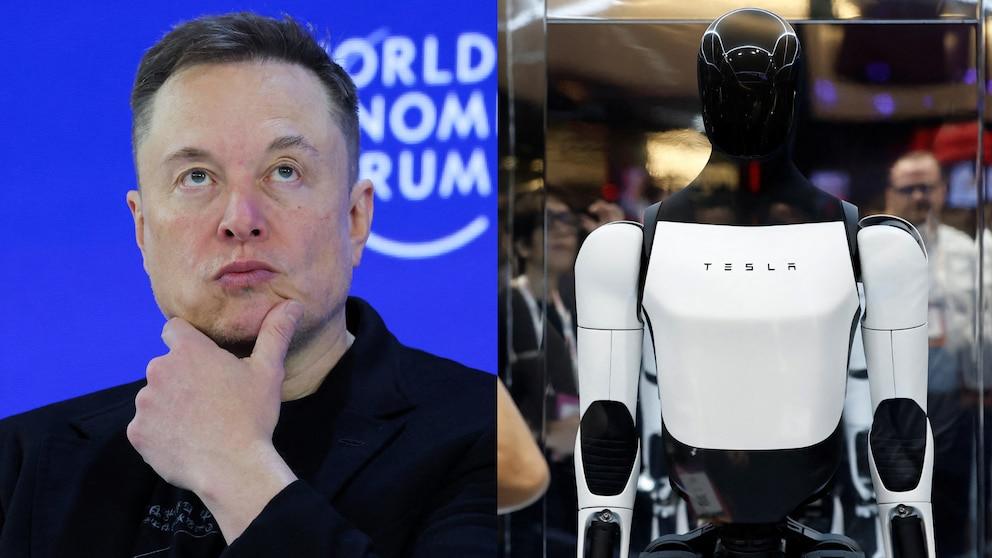
The proposal is based on the evolution of generative artificial intelligence, which has surprised by its capacity for understanding and interaction.Tools like ChatGPT, Gemini or Copilot have shown that machines can communicate and respond to humans in ways previously unthinkable.
According to Berry Billingsley, director of AI at Swansea University, this technological advance brings closer the possibility of robots going from simple factory machines to personal assistants with a certain degree of empathy and the ability to adapt to the emotional and physical needs of users.
Optimus’ design responds to the need to create robots that adapt to the human environment.Its structure, similar to that of a person, includes arms, legs and fingers that allow it to perform complex tasks, from picking up objects to preparing food.
Musk himself has maintained that “these robots could adapt to each individual and help them with the tasks they need, limiting themselves to the needs of each moment.”This approach seeks not only to improve efficiency, but also to offer companionship to those experiencing loneliness, a recurring problem among older people.
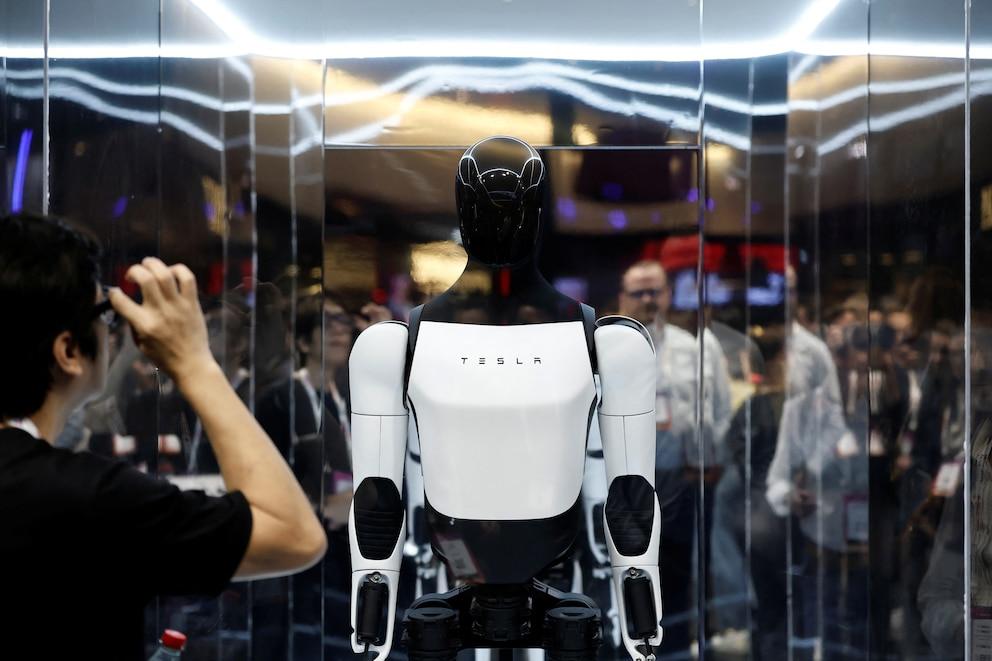
The presence of humanoid robots in homes raises questions about the emotional relationship between humans and machines.According to Billingsley, the appearance and gestures of these robots not only fulfill a practical function, but also generate expectations of intelligence and empathy.
This emotional dimension can be attractive to those seeking to preserve their independence and dignity in old age, by having an assistant who does not judge and adapts to their rhythms.
However, questions arise about the social impact of delegating care to machines.The same source warns that relying too much on robots could weaken human ties and affect the ability to coexist.
The design of these systems must consider the promotion of social interaction, not just individual efficiency.The discussion moves to the field of engineering and ethics: how to ensure that robots do not replace, but complement, the role of the community and the family in the care of the elderly?
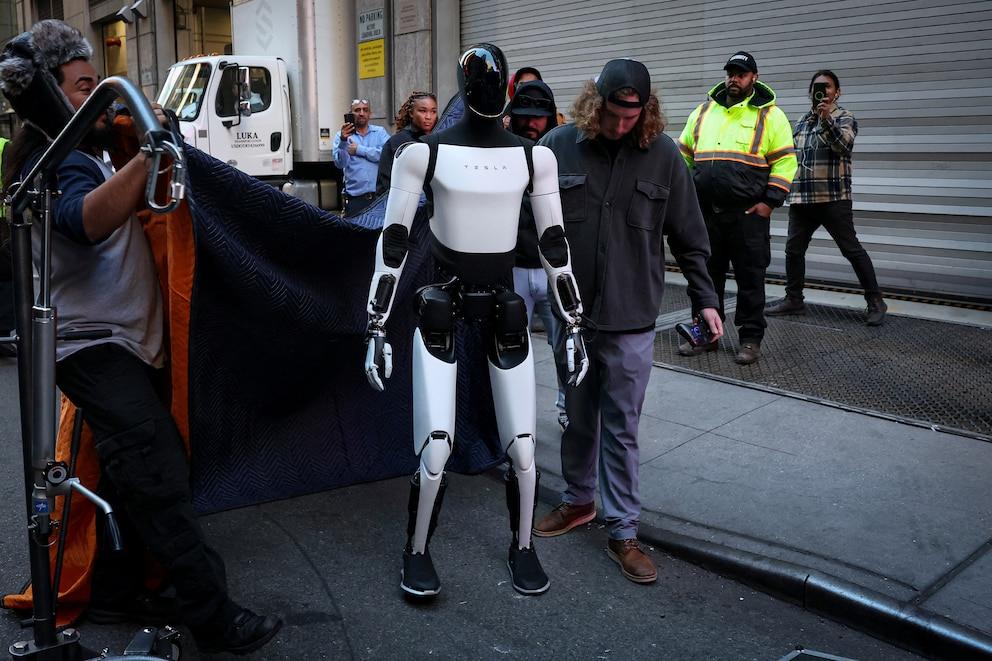
The future Musk describes is not limited to physical attendance.Optimus and his generation’s robots could suggest activities, remind you of medical appointments, or even encourage social participation.
An example cited by Billingsley illustrates how a robot could invite an elderly person to a book club or an activity at the nearby library. This ability to drive inclusion and interaction can make the difference between a helpful assistant and an isolating machine.
Musk maintains that the massive arrival of humanoid robots will open a stage of “enormous abundance”, where technology will expand the possibilities of assistance and company.
However, experts like Billingsley remember that the key will be the balance between automation and humanity.The challenge lies in designing robots that not only care, but also promote the construction of strong communities and social bonds.The question of whether these advances will mark the end of nursing homes remains open, while technology redefines the limits of care and intergenerational coexistence.

