


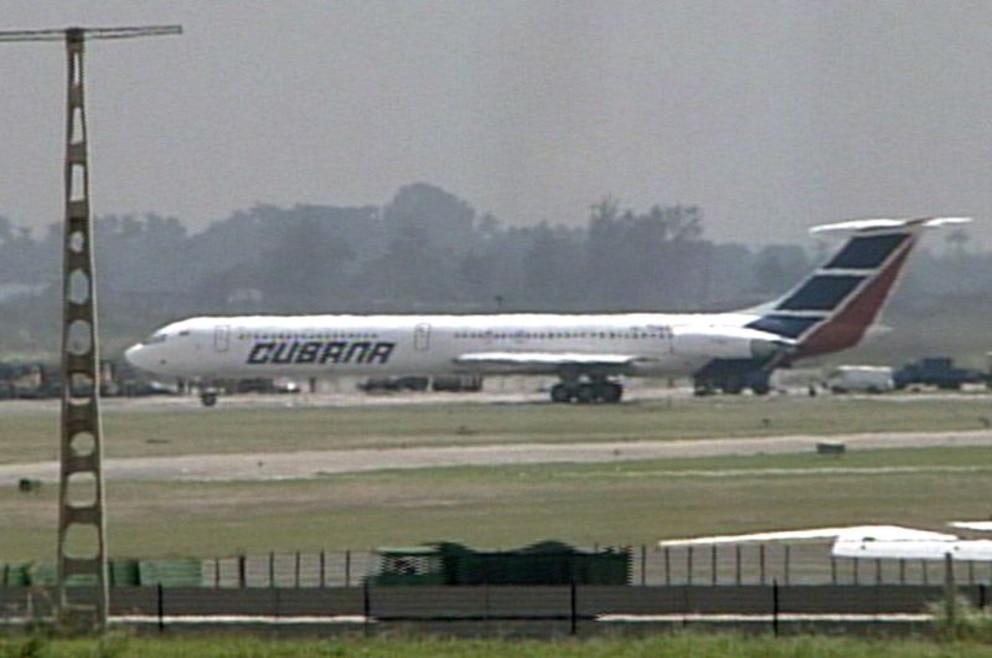
The Cuban dictatorship informed the international airlines that operate on the island that starting this Monday the country will run out of aviation fuel, as confirmed by the EFE agency from sources in the sector.
The measure is a direct consequence of the executive order signed by US President Donald Trump on January 29, which threatens tariffs on any country that supplies oil to the Miguel Díaz-Canel regime, arguing that Cuba represents a threat to the national security of the United States.
The%20warning%20about%20the%20depletion%20of%20fuel%20aeron%C3%A1utical%20implies%20an%20additional%20collapsefor%20an%20econom%C3%Ada%20that%20goes through%20its%20worst%20crisis%20since%20thecollapse%20of%20block%20sovi%C3%A9tico%20in%20los%20a%C3%B1os%20nineties.%20Cuba,%20whose%20production%C3%B3nnational%20barely%20covers%20the%2040%%20of%20its%20energy%C3%A9needs,%20it mattered%20until%20a few%20weeks agoans%20near%20of%2060,000%20barrels%20daily%20of%20fuels%20of%20pa%C3%ADsesas%20Venezuela,%20M%C3%A9xico,%20Russia%20and%20Algeria.
Trump’s executive order, titled “Confronting the Cuban Government’s Threats to the United States,” establishes a system of additional tariffs for countries that supply oil to the island directly or indirectly.The mechanism gives the Department of Commerce the power to determine which nations engage in this practice, while the Department of State will decide the magnitude of the tariffs.Washington accuses the Cuban regime of aligning itself with strategic adversaries such as Russia, China and Iran, providing intelligence infrastructure for foreign powers and harboring organizations such as Hezbollah and Hamas.
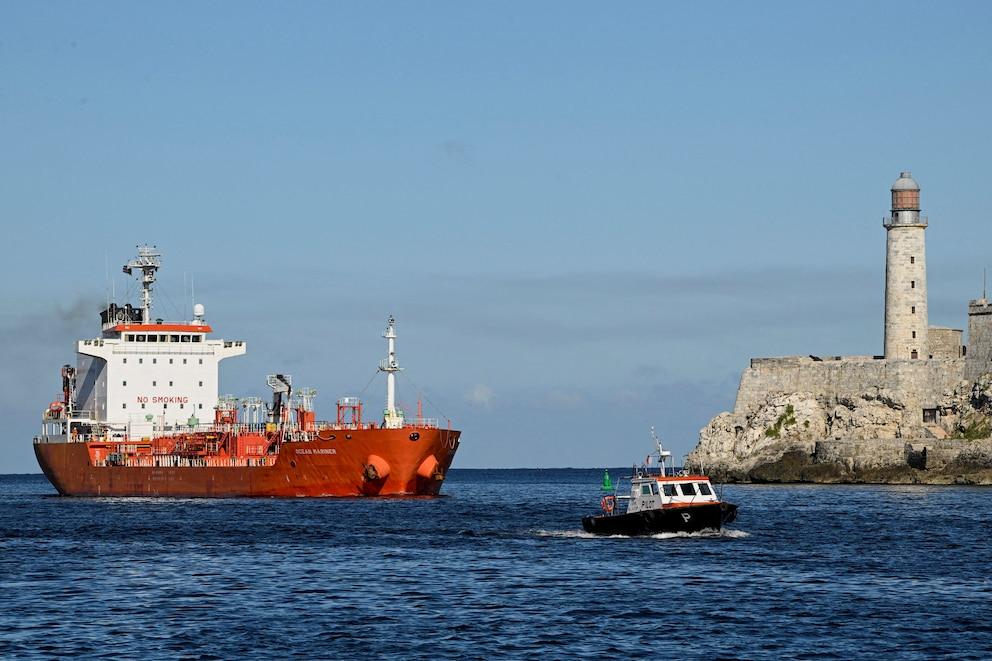
The%20impact%20of%20%20American%20measures%20accumulated%C3%B3%20on%20a%20energy%20crisis%C3%A9thic%20long%20data.%20Since%20December%20last,%20the%20island%20doesn’t%20receive%20env%C3%ADo%20tankers%20from Venezuela,%20after%20the%20capture%20of%20ex%20dictator%20Nicol%C3%A1s%20Maduro%20in%20a%20operaci%C3%B3nmilitary%20American%20on%203%20of%20January.%20M%C3%A9xico,%20that%20in%202025%20proportion%C3%B3%20around%2044%%20of%20the%20imports%20petro%20Cuban%20leras%20with%20some%2017.200%20barrelsdaily,%20pr%C3%A1tactically%20stopped%20their%20shipping%C3%ATwo%20in%20January%20under%20the%20pressure%C3%B3n%20of%20Trump.
In response, the Díaz-Canel regime announced this week a tough emergency plan to survive without imported fuel.The measures, which come into force this Monday, include the end of the sale of diesel to the public, the reduction of state working hours to four days per week, drastic cuts in hospital and public office hours, closure of tourist hotels in keys in the north of the island, suspension of non-urgent surgeries in health centers and severe restrictions on interprovincial public transportation.
The%20tourism,%20sector%20hist%C3%B3richly%20protected%20by%20the%20r%C3%A9gimen%20like%20motor%20econ%C3%B3mico, suffered%C3%B3%20a%20ca%C3%ADda%20del%2018%%20in%20visitors%20during%202025%20regarding%20al%20a%C3%B1or%20previous,sec%C3%BAn%20official%20data.%20The%20sector%20register%C3%B3%20additionally%C3%A1s%20a%20low%20of%2062 %0of%20fuel%20is%20in%C3%A9dito%20on%20the%20island,%20where%20these establishments%20remain%20%20operational%20even%20during%20natural%20disasters.
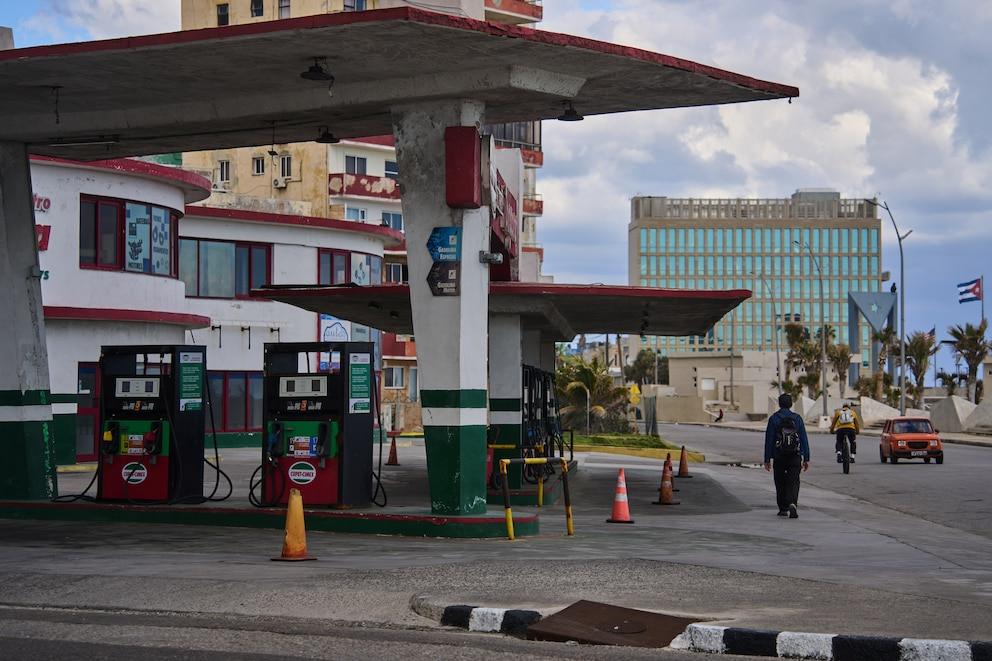
The dictatorship exclusively blames the US embargo for the energy catastrophe, avoiding mentioning the economic collapse of Venezuela after more than a decade of Chavismo, the productive limitations of Mexico, the structural inability of the regime to generate foreign currency and the energy dependence perpetuated by decades of totalitarian management.
The aviation fuel crisis had already generated similar alerts in December.Then, the Cuban Aviation Company warned about the “unavailability” of JET-A1 fuel at airports in the national network, although the emergency was temporarily resolved with the arrival of a tanker.
Energy experts such as Jorge Piñón, from the University of Texas Energy Institute, have warned that without new oil shipments Cuba will face total economic collapse in March.The regime, which produces just 40,000 barrels a day of heavy crude oil destined mainly for obsolete thermoelectric plants, needs to import at least 60,000 additional barrels to sustain electricity generation, transportation and essential services.

