


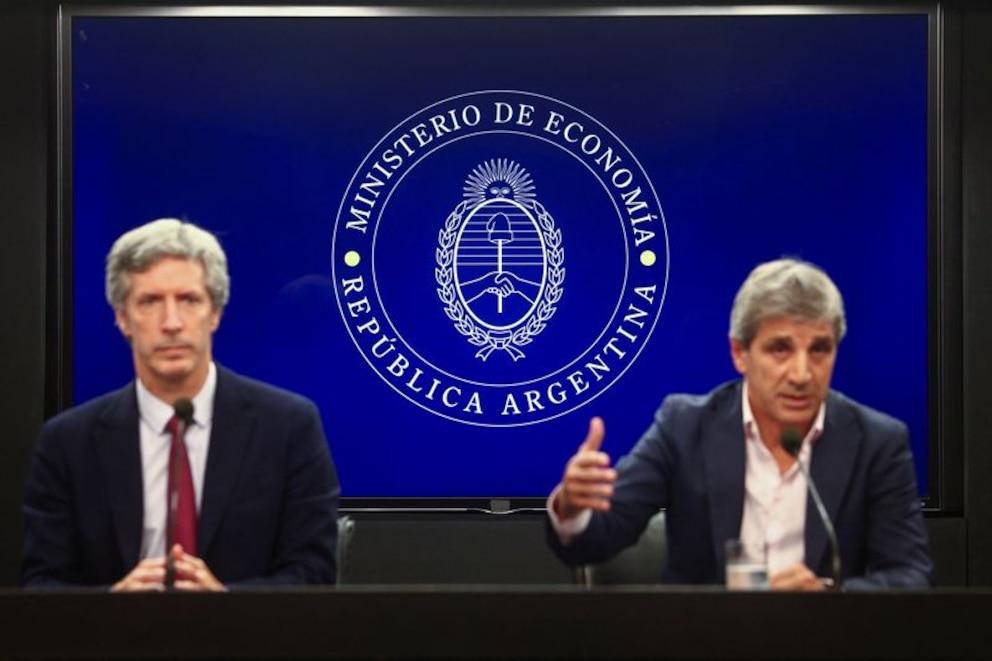
The Central Bank of the Argentine Republic (BCRA) purchased almost USD 2.1 billion since January, but most of those currencies were used to pay international debt and transfers to the Treasury.The market’s attention is focused on the lack of accumulation of reserves, despite the stabilization achieved in recent weeks, and on the imminent challenge that the Minister of Economy, Luis Caputo, will face at the end of February with the payment of the Bonds for the Reconstruction of Free Argentina (Bopreal).
The economic team must face a payment of USD 1,000 million for this instrument issued by the BCRA to clean up the debt of importers inherited from the previous administration.According to market sources told Infobae, the obligation would be fulfilled on Friday the 27th, the last business day of the month.
But the operation raises doubts about the BCRA’s ability to sustain the level of reserves after a period of systematic purchases in the exchange market.Since the beginning of phase four of the economic program, the BCRA purchased almost USD 2.1 billion, although it was not able to retain all of it due to external debt commitments.
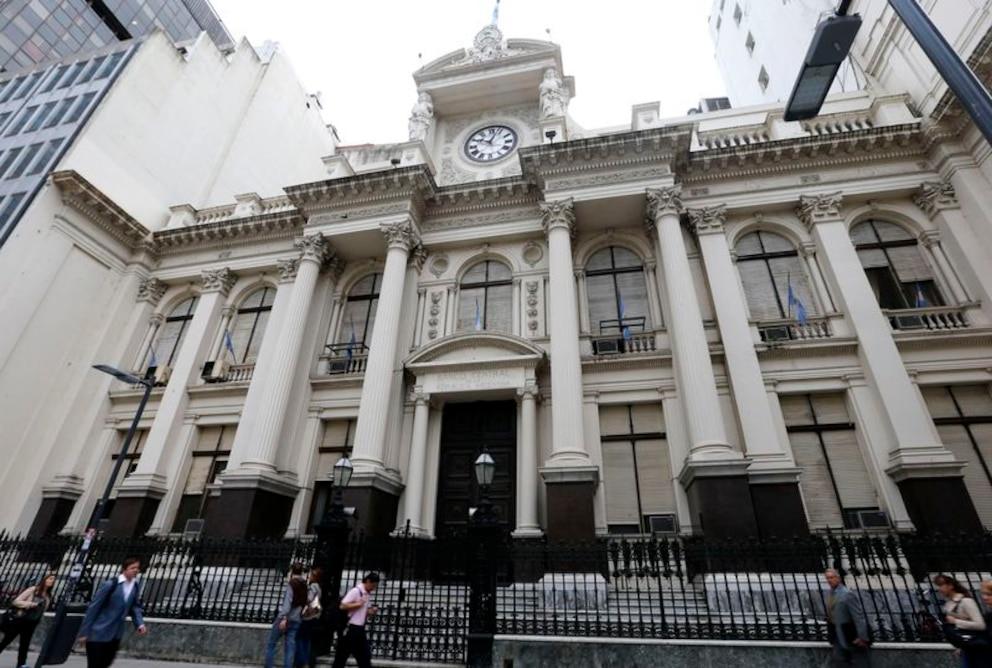
This performance provided a certain calm in the exchange market and made it possible to moderately strengthen the external position of the monetary authority on the eve of maturity, but doubts persist about currency flows and the evolution of the financial obligations that Argentina faces during the rest of the year.
The expiration of Bopreal, scheduled for the end of February, represents one of the immediate tests on Luis Caputo’s agenda.This bond was designed to facilitate the cancellation of commercial debts in a context of currency shortages and exchange restrictions, which limited market access for importers and companies.The calendar now marks a milestone in which the BCRA’s ability to meet obligations in dollars will be approved without compromising the stability achieved.
“It puts pressure on the BCRA’s foreign currency purchases. So far this year, of the USD 2,000 million it bought, USD 350 million was sold to the Treasury and USD 1,000 million will be used for Bopreal at the end of the month,” said Lucio GarayMendez, economist at Eco Go.Added to that figure is the payment of USD 827 million to the International Monetary Fund (IMF) at the beginning of the month, for which Special Drawing Rights (SDRs) were acquired from the United States.
“It’s going to hit, every payment makes you lower your gross. But it doesn’t impact you because it doesn’t count them,” said Martín Polo, head of strategy at Cohen.
The amount of approximately USD 1,000 million constitutes a considerable requirement for international reserves, which on Friday closed at USD 45,158 million, after purchases of USD 42 million.The impact of this expiration will be closely followed by analysts, operators and companies, given that the dynamics of reserves are considered one of the central indicators to measure the country’s financial solidity.
But the strategy adopted by the economic team is striking.Already at the end of 2025, amid criticism for the lack of accumulation, Caputo stated that in 2026 the commitments in foreign currency would be met through various financing instruments offered to Argentina, allowing the BCRA to accumulate reserves.
%E2%80%9CFor%20each%20d%C3%B3lar%20that%20we buy,%20the%2075%%20se%20destination%C3%B3%20a%20pay%20debts%E2%80%9D,%20affirmed%C3%B3%20Caputoduring%20his%20participation%C3%B3n%20in%20the%20streaming%20The%20three%20anchors.%20In%20where%20underline%C3%B3%20that%20din%C3%A1mica%20answered%C3%B3%20a%20the%20absence%20of%20refinanceiation%20that%20faces%20the%20pa%C3%ADs%20and that%20will%20not%20happen%C3%ADa%20the%20same%20during%20the%202026.
Caputo’s strategy is based on the stabilization of the official exchange rate and the management of the flow of currency.The sustained purchases of dollars made it possible to recover part of the lost ground, although private demand and the international context continue to condition the accumulation of reserves.The Bopreal payment in February will be a test for the consistency of this policy.
Monitoring BCRA interventions in the exchange market and payment scheduling constitute central parameters for operators.After the payment of the Bopreal at the end of February, commitments of similar magnitude are not expected until July, which introduces a period of relative calm in the maturity calendar, although the dynamics of reserves and the structural challenges of the economy keep attention on exchange and monetary policy.
The maturity structure after February provides some relief to financial planning, as comparable obligations are not recorded until the second semester.This temporary window allows the BCRA to focus its efforts on consolidating stability, although the market’s focus remains on the evolution of reserves and the fulfillment of exchange rate goals.
The macroeconomic context, characterized by international volatility and persistent internal challenges, conditions the dynamics of reserve accumulation.The payment of more than USD 1,000 million for Bopreal is presented as a relevant test in the roadmap of the team led by Luis Caputo.The evolution of reserves and the BCRA’s response capacity will continue under the scrutiny of the markets in the coming weeks.

