


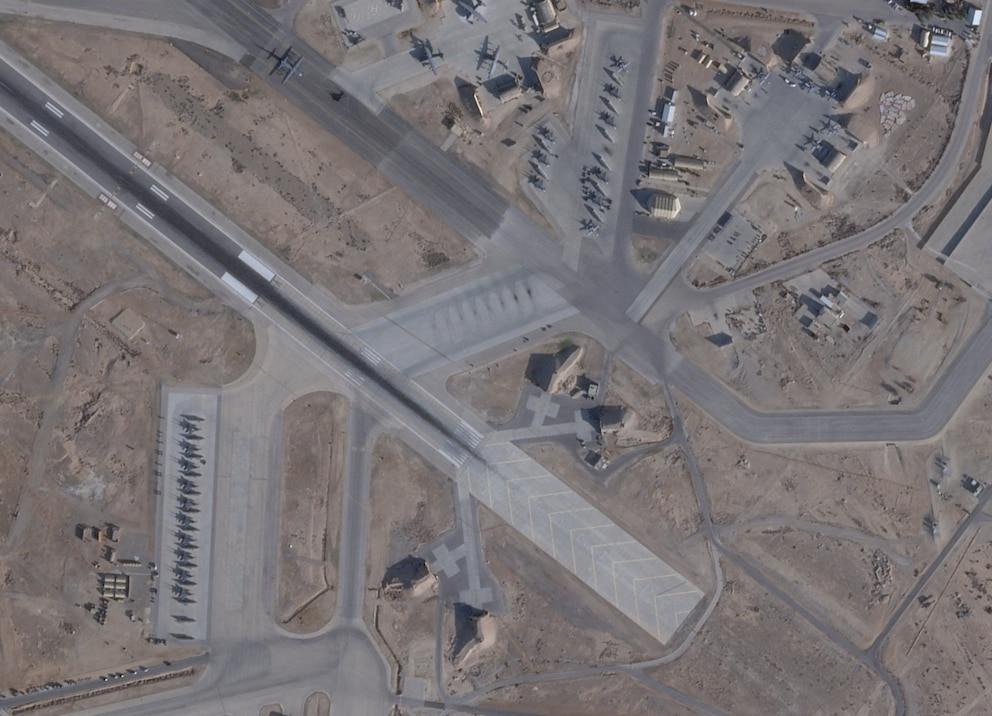
U.S. forces at Al-Udeid, Qatar, the largest U.S. base in the Middle East, have mounted missiles on truck launchers as tensions with Iran have escalated since January, according to analysis of satellite images, meaning they could be moved more quickly.
The decision to keep the Patriot missiles on mobile trucks rather than semi-static launching stations — meaning they could be rapidly deployed for attack or moved defensively in the event of an Iranian attack — shows how the risks increased as frictions grew.
US President Donald Trump has threatened to bomb Iran over its nuclear and ballistic missile programs, its support for allied groups in the Middle East and its repression of internal dissent, although talks to avoid war continue.
There are also US bases in Iraq, Jordan, Kuwait, Saudi Arabia, Qatar, Bahrain, United Arab Emirates, Oman, Turkey and in Diego García, in the Indian Ocean.
Iran’s Revolutionary Guard has warned that, in the event of attacks on Iranian territory, they could retaliate against any US base.A comparison of satellite photos from early February with those taken in January shows a recent buildup of aircraft and other military equipment across the region, said William Goodhind, a forensic imaging analyst at Contested Ground.
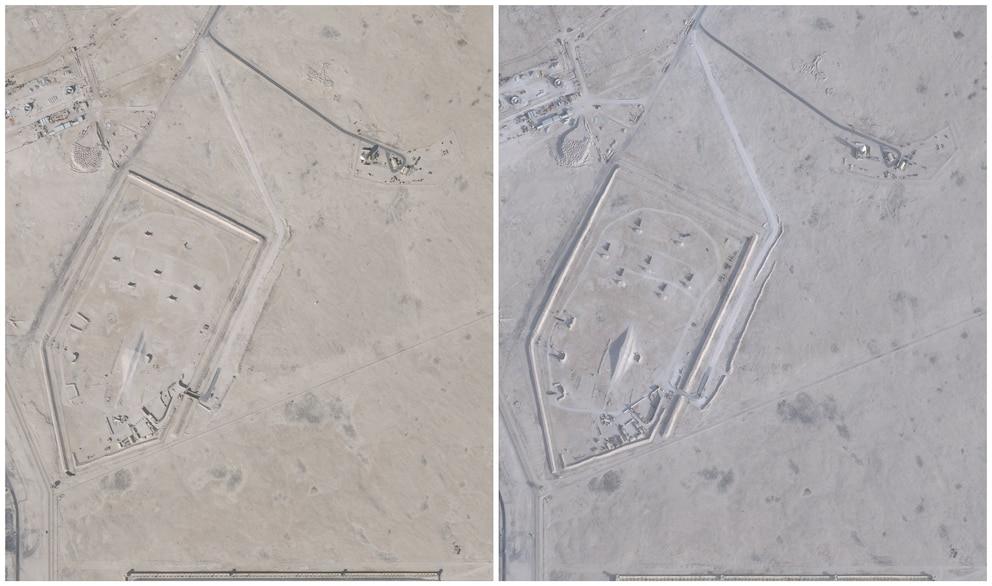
At al-Udeid, Patriot missiles were visible parked, mounted on M983 Heavy Expanded Mobility Tactical Trucks (HEMTT), in early February, Goodhind claimed.
“This decision gives the Patriots much greater mobility, meaning they can be moved to an alternative site or repositioned more quickly,” he added.
It was unclear Tuesday whether the missiles were still on the HEMTTs.
A Pentagon spokesman was not immediately available for comment.
Iran claims to have replenished its missile stockpile after two weeks of conflict last summer, when Israel bombed its nuclear facilities and other military targets, a campaign the United States later joined.
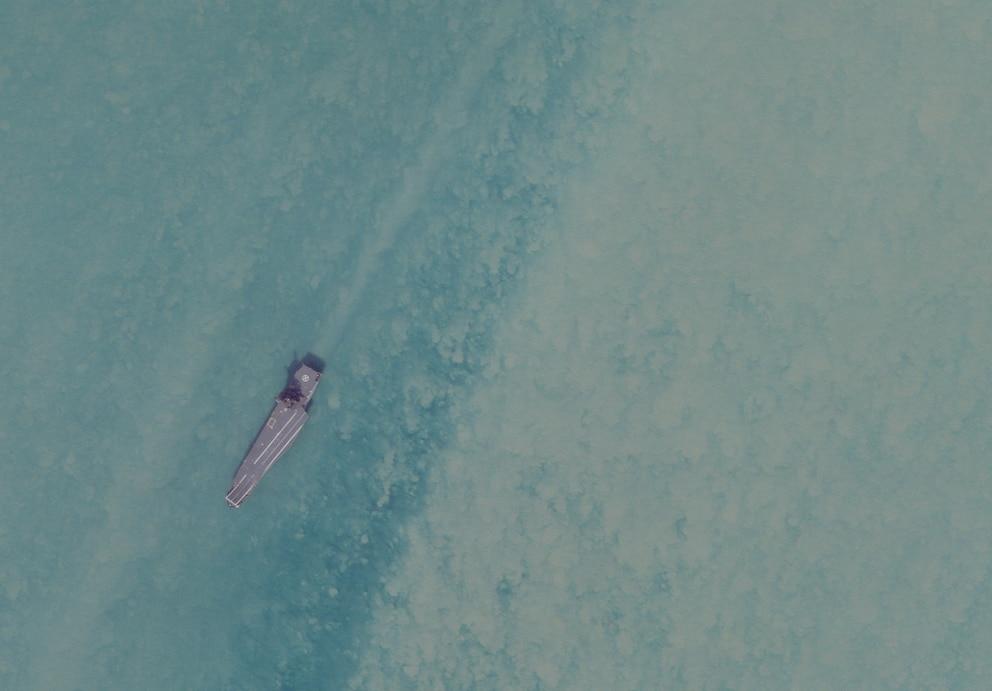
Iran has underground missile complexes near Tehran, as well as in Kermanshah, Semnan and near the Gulf coast.The Iranian naval aircraft carrier IRIS Shahid Bagheri was visible in satellite photographs on January 27 in the sea, about 5 km from Bandar Abbas.It was also visible near Bandar Abbas on February 10.
Images from February 1 showed one RC-135 reconnaissance aircraft, three C-130 Hercules aircraft, 18 KC 135 Stratotanker tankers and seven C-17s.On January 17, 14 Stratotanker tankers and two C-17s had been detected.
Up to 10 MIM-104 Patriot air defense systems were stationed at HEMTT.
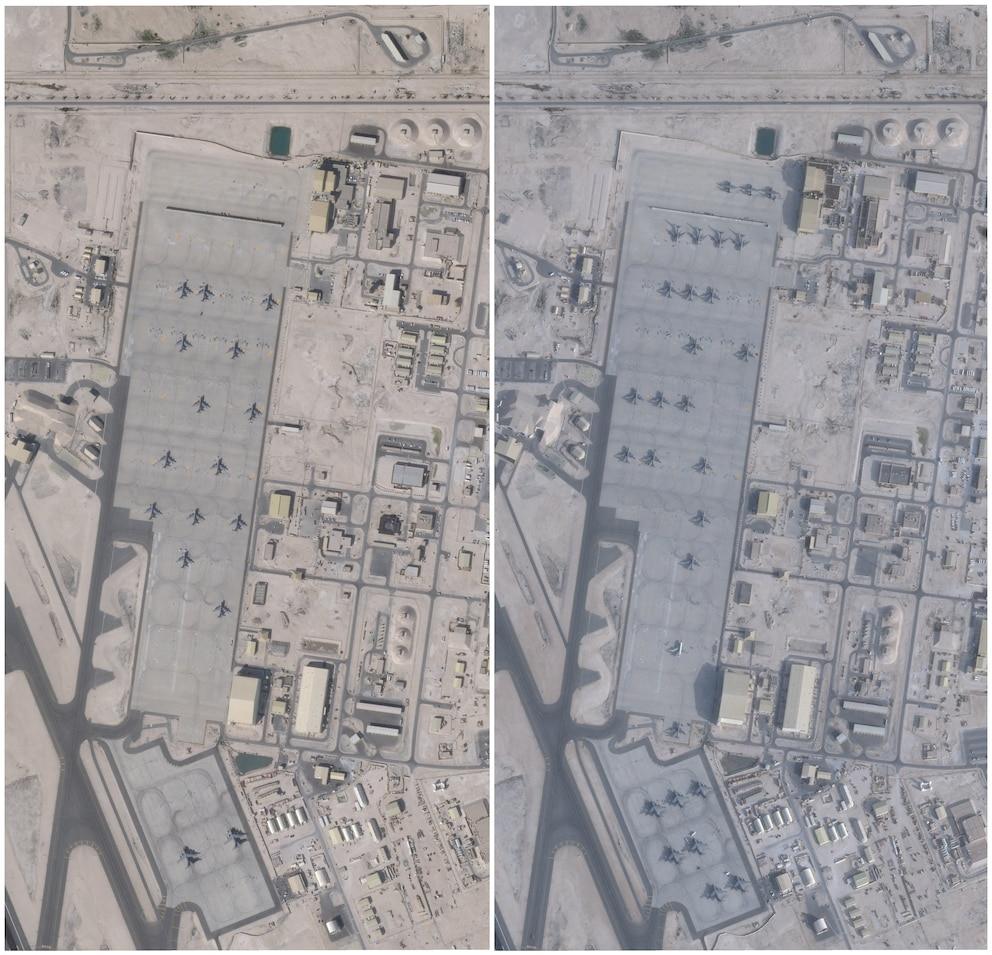
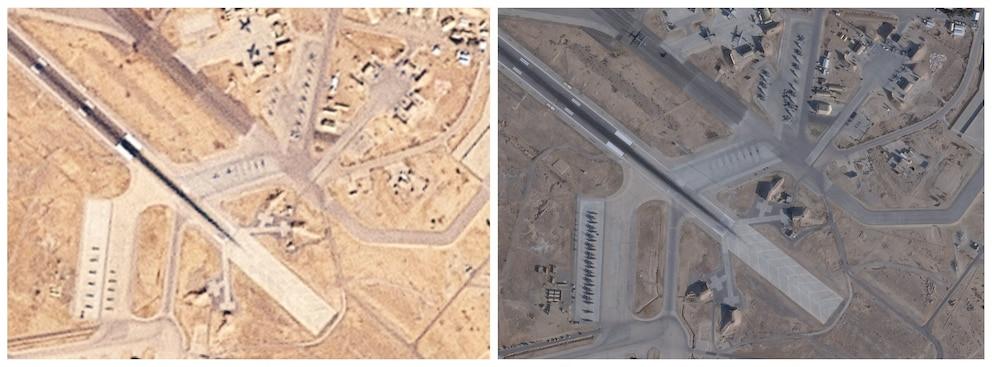
Images from February 2 from a location in Muwaffaq showed 17 F-15-E attack aircraft, 8 A-10 Thunderbolt aircraft, four C-130s and four unidentified helicopters.The images from January 16 were low resolution and it was not possible to identify all the aircraft there.
Images from February 2 of a second location in Muwaffaq showed a C-17 and a C-130, as well as four EA-18G Growler electronic warfare aircraft. Images from that location on January 25 did not show any aircraft.
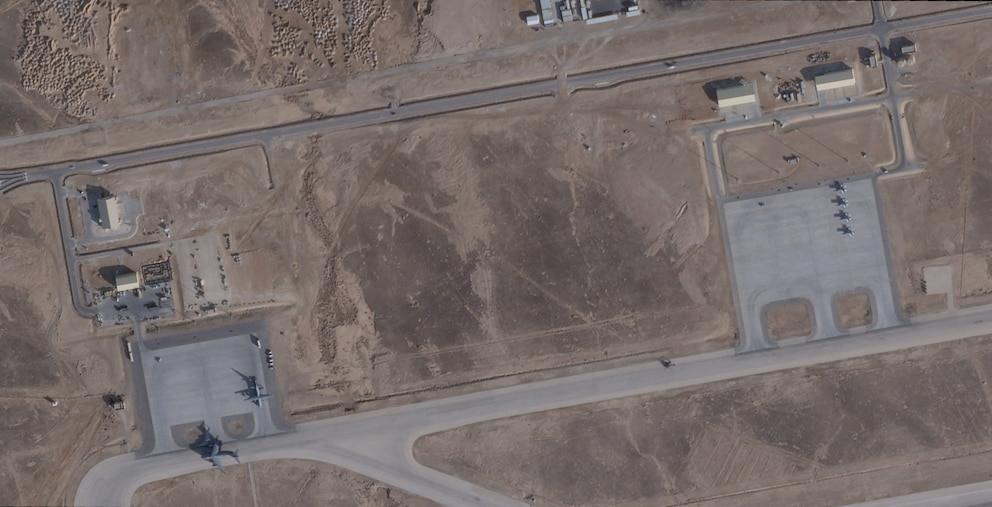
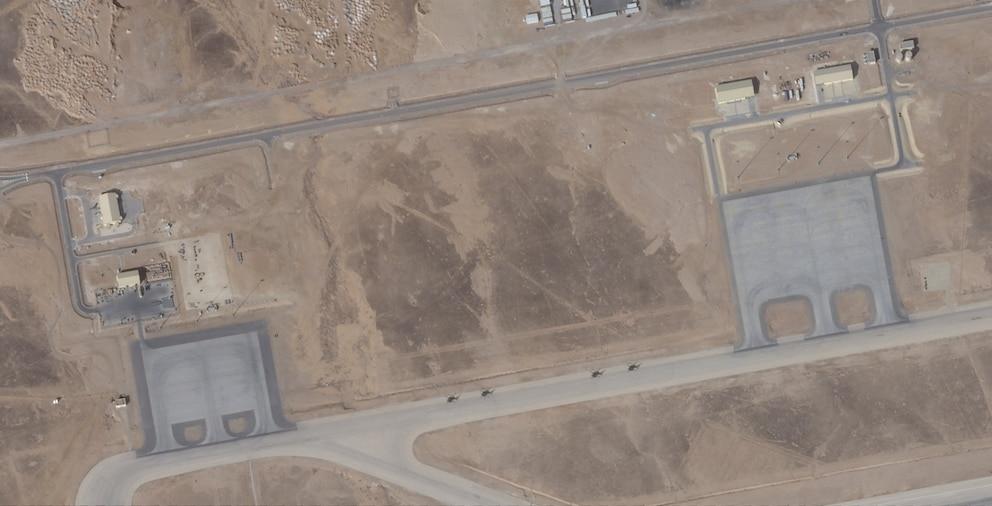
At the Prince Sultan base in Saudi Arabia, images from February 2 showed a C-5 Galaxy and a C-17.Images from December 6 showed five aircraft that appeared to be C-130s.
Satellite images on February 6 showed seven more aircraft than those observed on January 31 at Diego García, in the Indian Ocean.
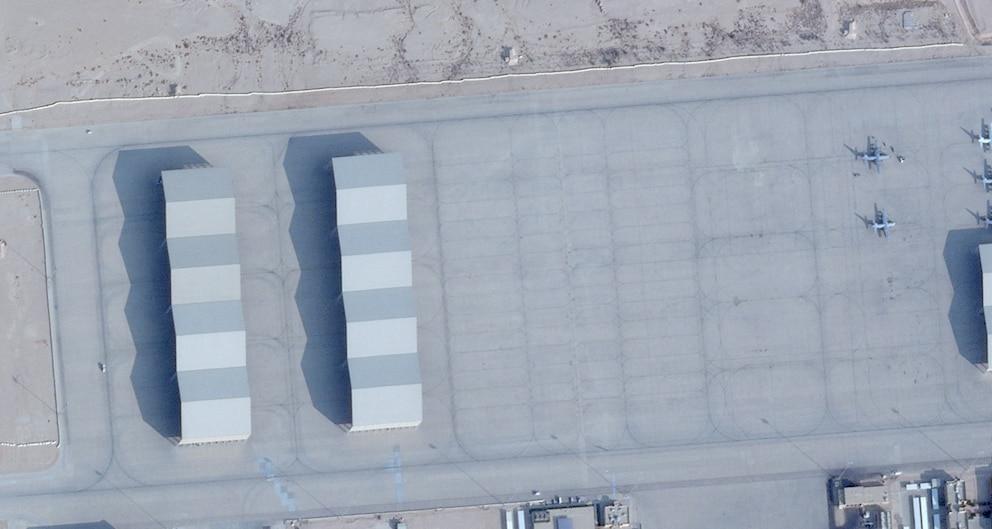
Images taken on February 25 and 10 showed an increase in the number of aircraft at the Dukhan base in Oman.
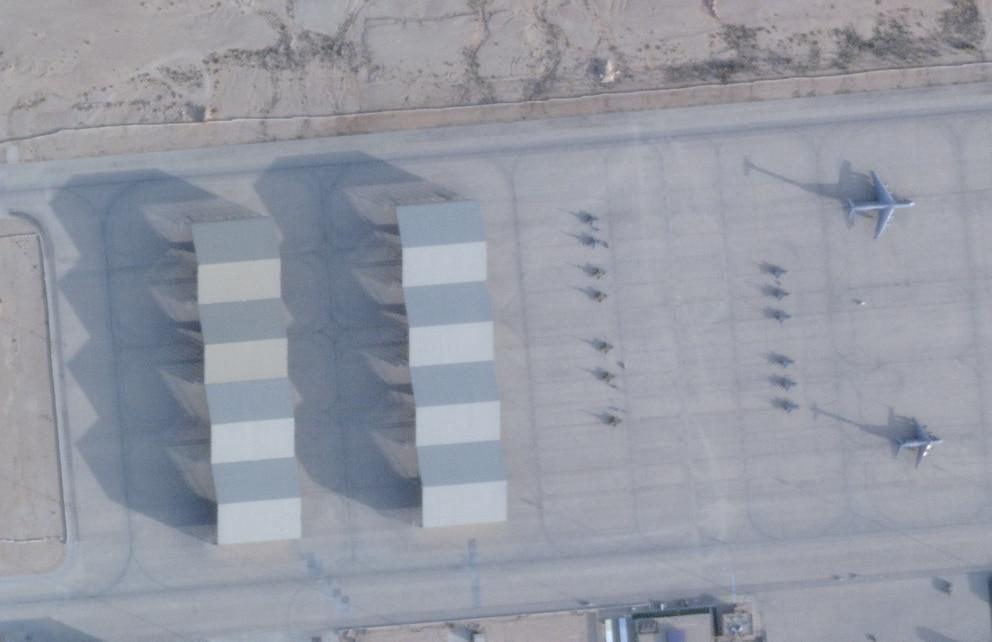
(Reuters)

