



Valve, the company responsible for the Steam video game platform, has announced a major update to its policies for early access games.From now on, developers will be able, and in some cases will have to, publicly report when they estimate to release the full version of their titles.
This measure, demanded for years by both players and developers, aims to eliminate the uncertainty that has existed around games published under this modality, in which the final release date used to be unclear or unknown to the public.
Since the Early Access program was introduced in 2013, Steam has gradually increased protections for its users.However, one of the most frequent criticisms was the lack of precise information about how long it would take a game to go from its preliminary version to the final version.With the new feature, developers are required to specify, visibly in the store, an exact date or an approximate range for the final release of the game.
This information will be displayed on the title’s main page under the “Early Access Game” label, and can also be incorporated into the Steam Personal Calendar, making it easier for players to more efficiently track the projects of interest to them.According to Valve, the inclusion of this feature directly responds to recurring requests from the community.
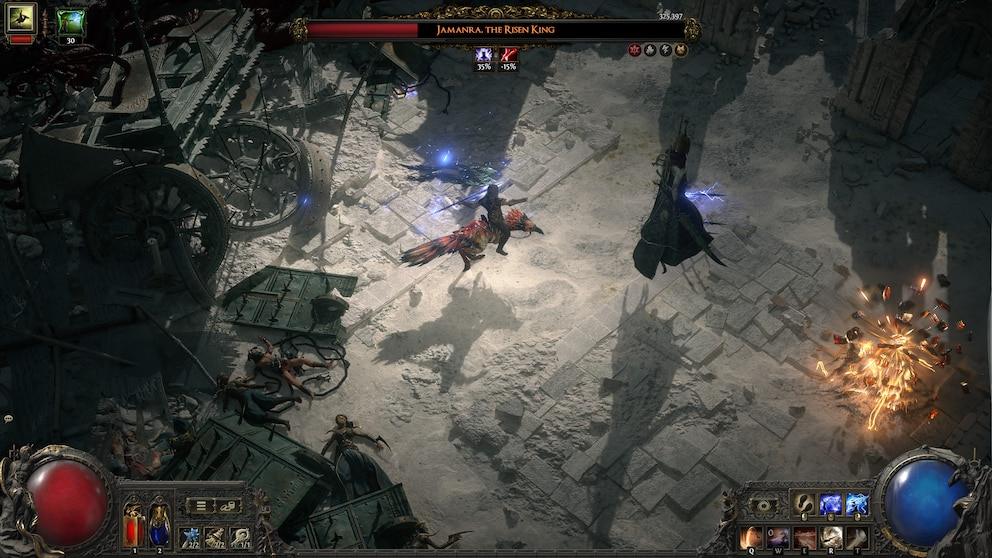
Purchasing a game in early access has always involved some risk.Users had to trust that the project would remain in development until reaching the final version, often facing long periods of uncertainty and fear that the game would be abandoned before completion.The new policy seeks to offer an additional guarantee, giving players more control over relevant pre-purchase information.
Being able to check release dates is useful both for those who have already purchased a title in development and for those who are waiting for improvements or unreleased features.Valve emphasizes that the purpose of the measure is to reinforce trust between the community and developers, and clarifies that this function should only be used if it is very likely to meet the estimated date, to avoid creating unmet expectations.
Despite the positive nature of the update, Valve has clarified that the use of this feature is completely optional and only applies to titles that are already on sale as early access.Other games, or those that are not yet available for purchase, will not be required to provide this information.
The company has expressly recommended to studios not to set deadlines if they are not sure they can meet them, since non-compliance could damage community trust and increase the perception of insecurity about the future of each project.If there are doubts regarding the viability of a specific date, Valve advises waiting and not using the tool until there is greater clarity about the calendar.
Valve also notes that while the feature brings greater visibility and potential transparency, its true impact will depend on the honesty and organizational skills of the developers.In fact, many studios already communicated this type of information through informal channels such as social networks, forums or news related to their games.The difference now is that the data will be centrally and officially available in the Steam store, which helps reduce the usual lack of early access information.

