


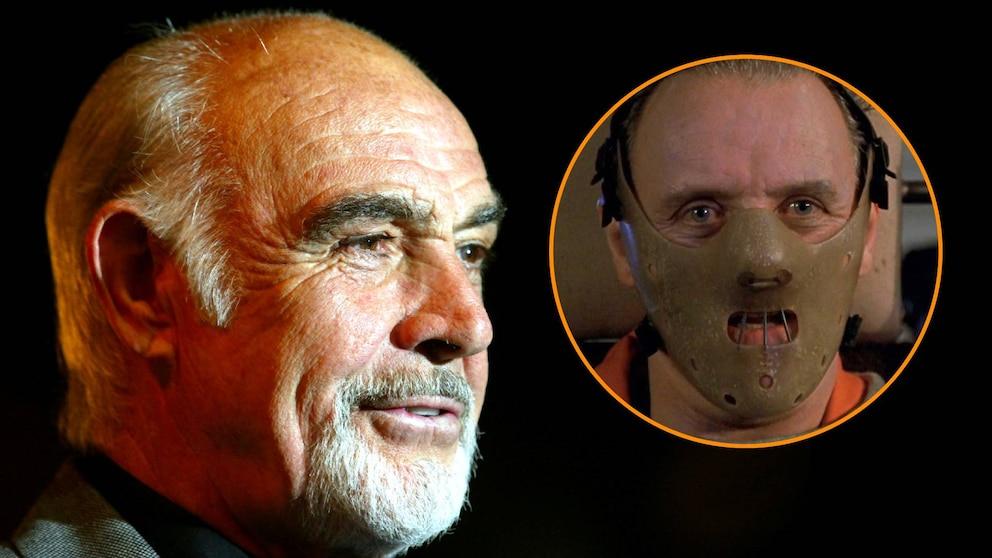
The offer to play Hannibal Lecter provoked an unexpected reaction in Sean Connery, one of the first actors considered for the central role in The Silence of the Lambs (1991).
The Scottish actor flatly rejected the script, a decision that defined the fate of the film and led to Anthony Hopkins playing the cannibalistic murderer who would remain in the public’s memory.
“The answer came soon: he thought it was disgusting and that he wouldn’t dream of playing that role,” recalled Jonathan Demme, director of the iconic feature film, when remembering Connery’s rejection.
The studio had initially chosen Connery for his “fierce intelligence and physical gravitas,” although Demme admitted his admiration for Hopkins.
The strategy of sending the script first to Connery responded, according to the filmmaker, to strictly commercial reasons: to seek “the most profitable path, because Connery was at the top at that time.”
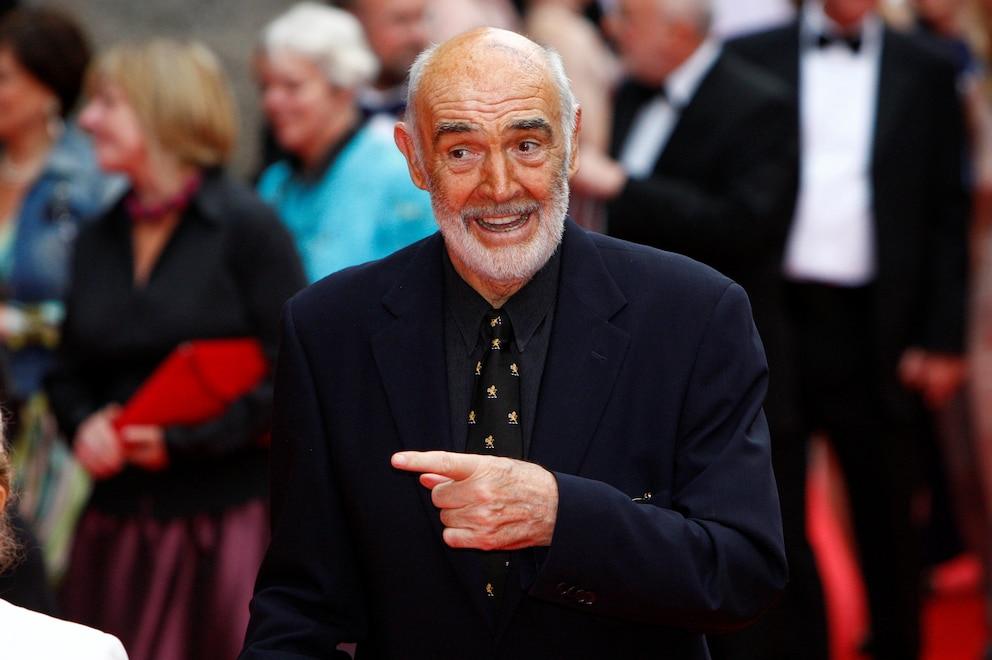
The famous star’s refusal was so clear that, in Demme’s words, they didn’t even consider insisting.
With Sean Connery ruled out, attention turned to Anthony Hopkins, whom Demme envisioned as the “good doctor gone bad.”
Jonathan Demme traveled to London to meet his second choice, who was then working at M. Butterfly.
“We agreed to work together,” Demme recalled about that first meeting.
The first reading of the script left an immediate impression: he described that there was “electricity in that room, emanating from what Hopkins was doing. He had found Lecter.”
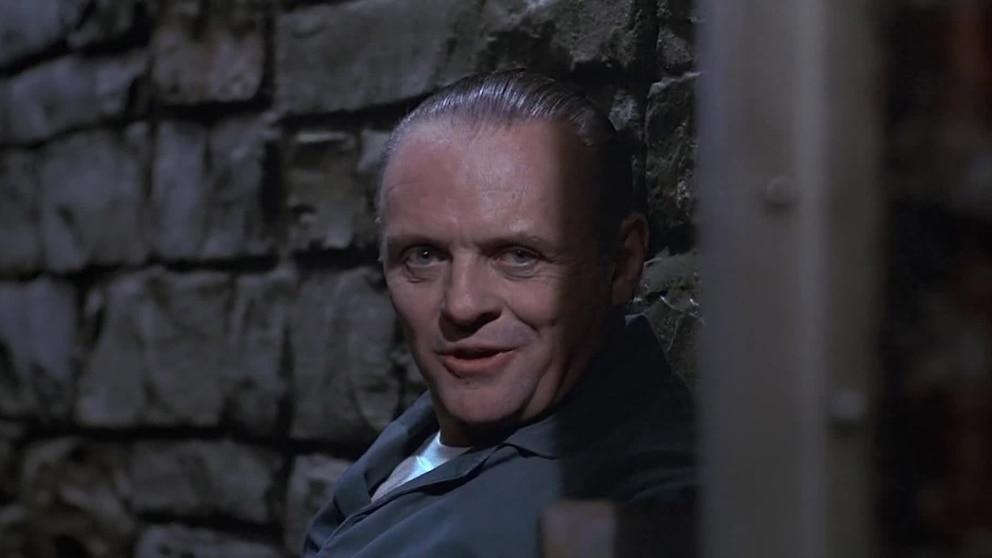
And he added: “I remember the moment he uttered the last sentence; the room was left in absolute silence.”
The atmosphere of The Silence of the Lambs was built from an unusual dynamic between its protagonists.
Anthony Hopkins recounted in his memoirs that he understood how to approach Hannibal “instantly.”
“I instinctively understood how to play Hannibal. I have the devil in me. We all have the devil in us. I know what scares people,” he said.
From the first rehearsals, Hopkins chose to completely adopt Lecter’s personality.
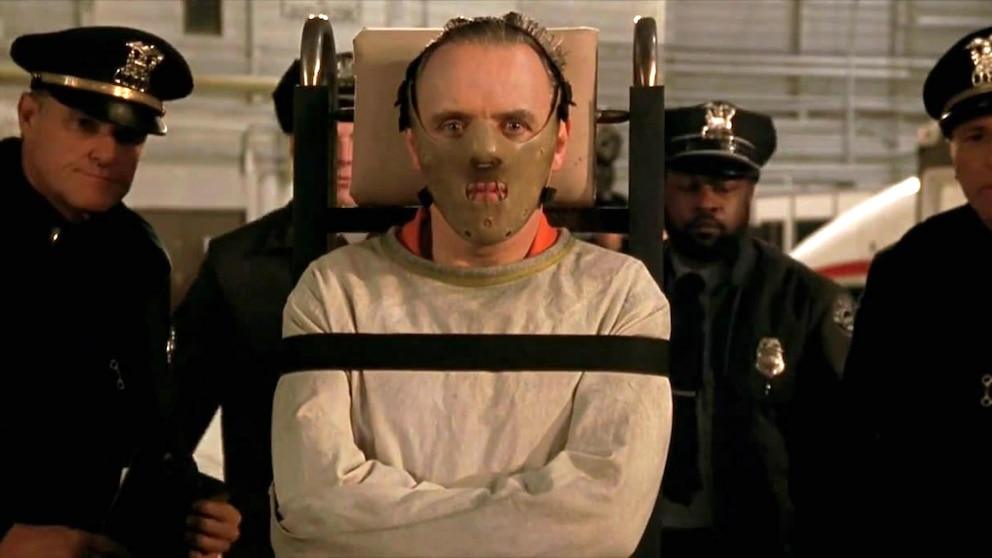
“We threw ourselves into it,” explained the Hollywood artist, determined to show “the most terrifying” part of himself.
Hopkins described how, as soon as he started speaking as Lecter, “I saw Jodie tense up; you could hear the silence in the room.”
That discomfort remained throughout filming.For this reason, the relationship between Anthony Hopkins and Jodie Foster was distant, almost as distant as that of their characters.
The actor confessed that “most of the time we stayed away from each other,” and recalled the moment when Foster admitted to having been afraid of him.
His reaction was immediate: he too, he said, “was afraid of her.”
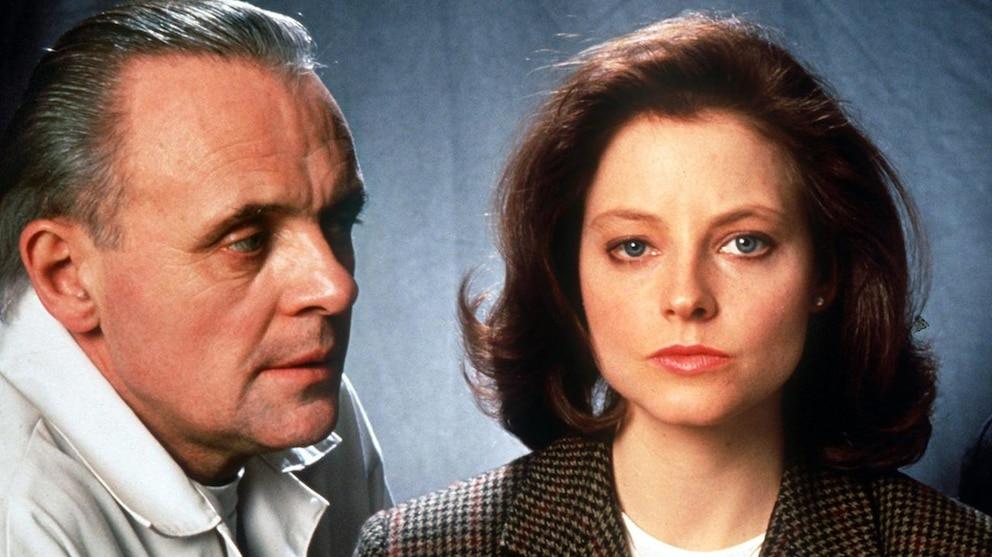
For Hopkins, that “strange feeling of distance” was due to the power of the script and the psychological chase dynamic between Clarice and Hannibal.
For his part, Foster confessed in a 2019 talk that “the movie didn’t scare me, but Anthony Hopkins did.”
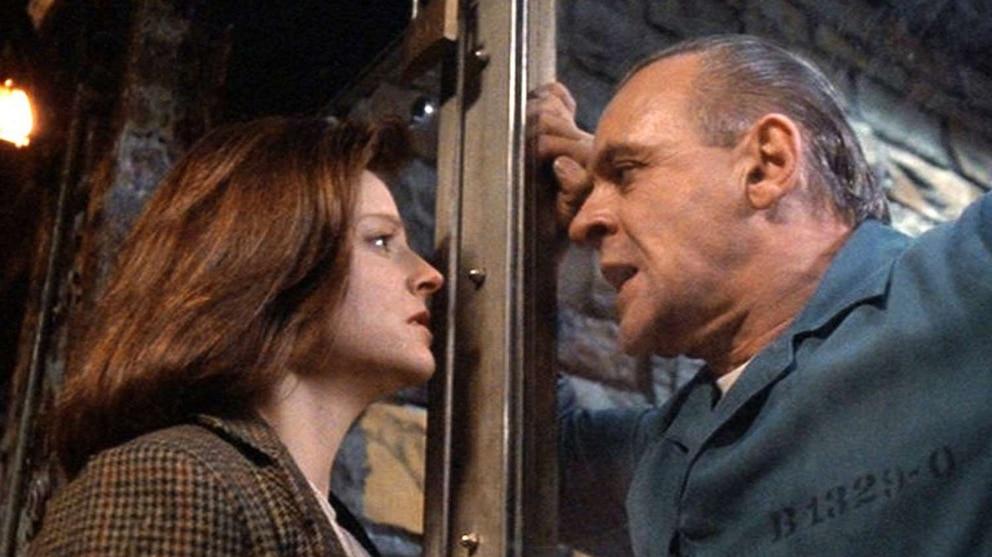
The actress explained that Jonathan Demme sought to enhance that discomfort by asking the actors to look directly at the camera, instead of at each other, which accentuated the confusion in each shared scene.
The set design itself reinforced the physical and psychological separation: the actress detailed that “it took 20 minutes to get Hopkins in and out of the complicated system of bars and glass that protected Clarice from Hannibal,” a barrier that, both literal and symbolic, increased the discomfort on screen.
The result was a benchmark in psychological horror cinema.The Silence of the Lambs grossed more than $270 million and won Hollywood’s top Academy Awards, including Best Picture, Best Director, and acting awards for Hopkins and Foster.

