


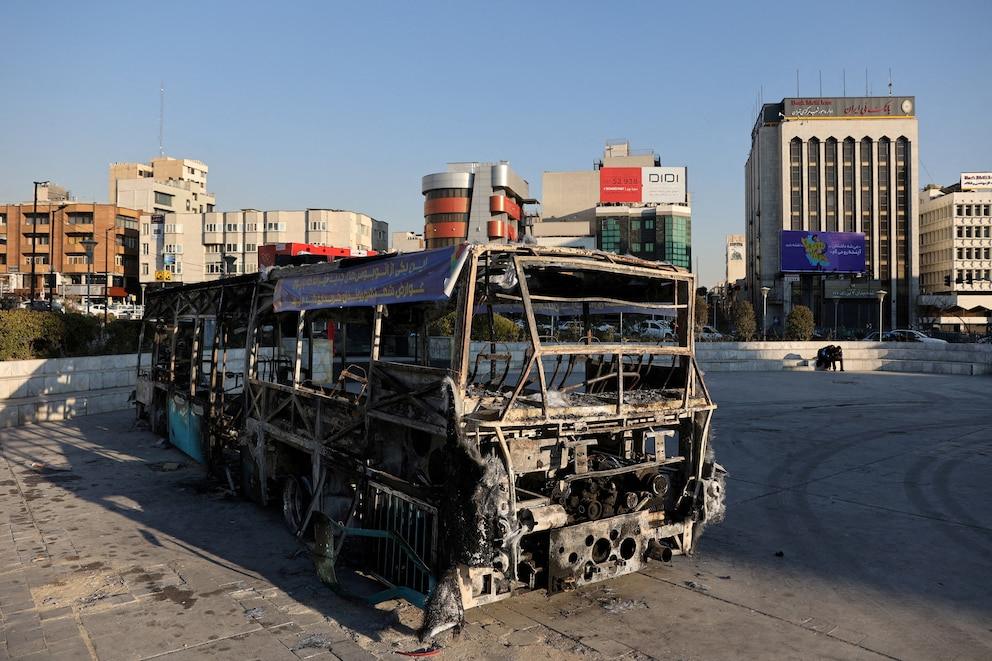
The repression carried out by the Iranian authorities following recent protests has involved mass arrests, confiscation of property and actions specifically targeting professionals who provided aid to injured protesters.Various human rights organizations estimate that up to 40,000 people have been arrested since the beginning of the protests, accused of being “troublemakers” or “terrorists.”Many of those detained have appeared in televised confessions that, according to these organizations, were probably forced.
Doctors and health personnel who treated the protesters have been arrested, even in their own homes, and some are missing.Three doctors contacted in Iran by The New York Times, who requested anonymity for fear of reprisals, reported the arrest of at least 11 colleagues in the last week.Two of them indicated that they have been summoned on multiple occasions by officials seeking to identify those who assisted the injured.
Well-known businessmen have also been targeted by this campaign.MohammedSaedinia, owner of a well-known coffee shop chain, was arrested along with his son and a manager, after closing his stores in support of the protests. The authorities sealed the establishments and reported that they will remain closed for two months.A spokesman for the judiciary, Ashgar Jahangir, confirmed Saedinia’s arrest and warned that her assets could be used to compensate for damages caused during the riots.
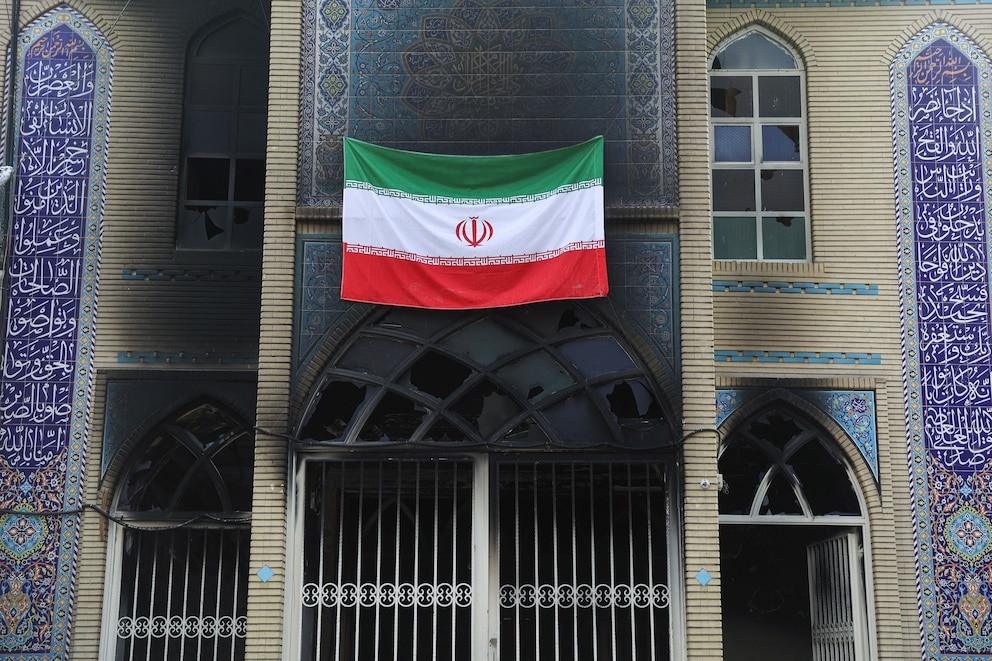
The repressive measures include the identification and possible confiscation of assets of public figures, such as athletes and actors, as well as those who signed statements in support of the protesters.Iran’s Attorney General, Mohammad Movahedi-Azad, ordered that action be taken to “teach a lesson” to those he described as “terrorists and their sympathizers.”
Censorship has also reached reformist media.Ham Mihan newspaper, one of the few to cover the magnitude of the protests and the victims, was closed on January 19.According to its editor, Mohammed JavadRouh, Ham Mihan is the first media outlet closed since 2016 and still does not have a court hearing date.
The families of those who died during the repression suffer surveillance and restrictions.Abbas, an Iranian citizen, said that he and his relatives had to sign commitments of silence and abide by the prohibition of crying or keeping doors open during the funeral ceremonies of three relatives killed in the protests.
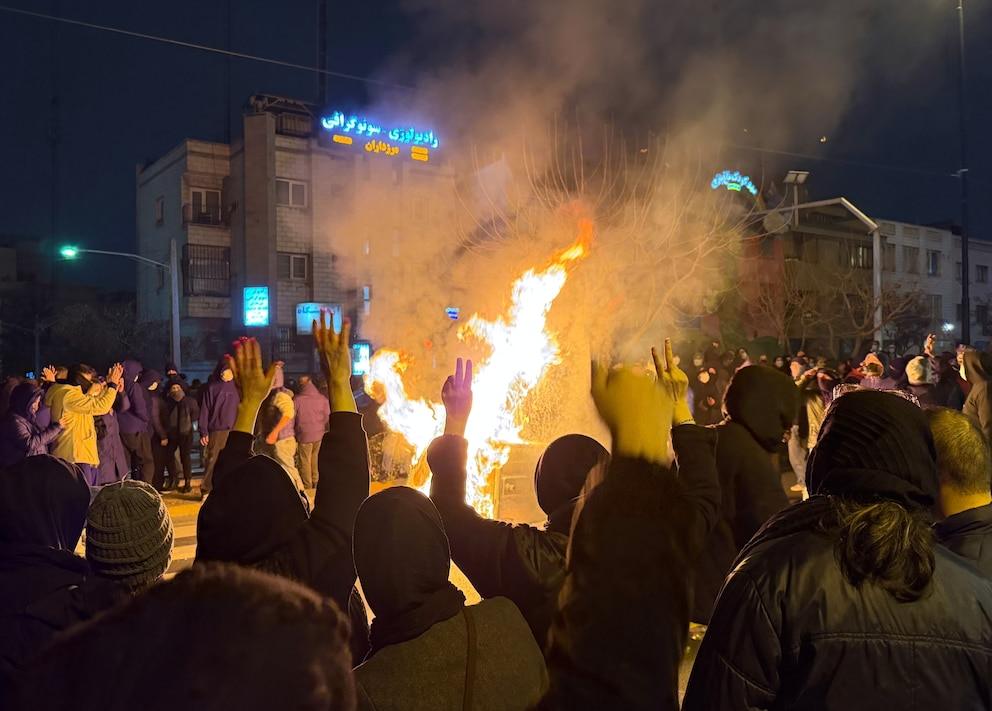
Despite the intensity of the repression, signs of defiance persist. Recently, 17 civil society leaders, filmmakers and activists published a statement holding Iran’s supreme leader responsible for what they called an “organized state crime against humanity.”Several signatories, including screenwriter Mehdi Mahmoudian, were later arrested.
In parallel, students from 31 schools of medicine, nursing and dentistry carried out boycotts and sit-ins to demand justice for the deaths and arrests of their classmates.In response to the ban on mourning, families have transformed funerals into celebrations, with traditional music and songs, as a symbolic form of resistance.
The Iranian regime has officially acknowledged nearly 3,000 deaths during the repression, although organizations believe the real number is much higher.Systematic repression and the scope of these measures have been described by activists as a form of “collective punishment” aimed at deterring future protests and branding an entire generation.

