


The president of Russia, Vladimir Putin, reinforced control over digital access in the country through new restrictions on Telegram and progress in the adoption of a package of legislative measures aimed at increasing state surveillance over digital services.Roskomnadzor, the Russian Telecommunications Supervision Agency, confirmed that it will maintain restrictions on the messaging service until violations of national legislation are remedied.The agency’s press service argued that personal data remains unprotected and risks of fraud and criminal activities persist through the platform.
In the context of censorship about the war in Ukraine, Telegram established itself as the main source of information about the events and consequences of the invasion ordered by Putin in February 2022. Senior Ukrainian officials and military commanders use channels in the application to disseminate constant details about the fighting.
Telecommunications authorities reiterated their willingness to collaborate with any national or foreign digital service, as long as it meets the requirements of Russian legislation and respects the country’s citizens.Among the established conditions are the hosting of servers on Russian territory, the protection of personal data, the prevention of fraud, extremism and terrorism.
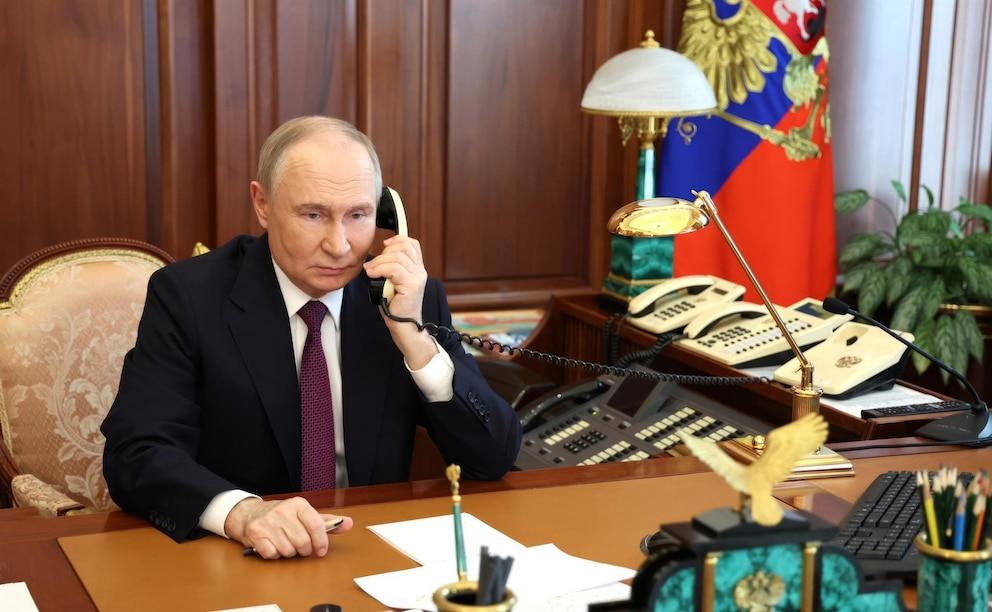
The Russian parliament (State Duma) approved in its first discussion a legislative project that contains around twenty initiatives to strengthen digital control over the population.The document, presented by the government in December 2025, provides that parents must notify operators if they transfer SIM cards registered in their name to their children, designating them as “child SIMs.”In addition, it establishes that each mobile phone imported into the Russian Federation will receive a unique fifteen-digit passport number, known as IMEI, which will be incorporated into a database regulated by the Executive.
Access to the Gosuslugi account, the state portal, can only be restored through methods considered reliable: in-person verification at a Multifunctional Center (MFC), use of Max Messenger, banking applications and pages, as well as biometric data and a qualified electronic signature.
The text also determines that a person may not request more than 20 bank cards in total nor more than five cards from the same bank.The authors of the initiative propose that the Central Bank of the Russian Federation have the power to modify these limits.
Likewise, if technically feasible, telecommunications operators will have the obligation to report all international calls received by their subscribers, thus increasing the traceability of external communications.
Among other provisions, a ban on phishing websites is introduced and banks are required to adopt additional protection measures against cyber fraud.In the event of non-compliance, entities must compensate clients for the lost funds.Finally, the Gosuslugi portal will incorporate a panic button for those who are the target of computer crimes.

