


An Azul Linhas Aereas passenger was involved in a high-risk incident while trying to connect to the Internet during takeoff of a commercial flight in Brazil.The traveler, whose identity has not been revealed, installed a Starlink antenna next to a high-capacity portable battery, far exceeding the safety limits established for electronic devices on board.
The airline began an internal investigation after the case spread on social networks, according to Correio do Estado.The action endangered all the occupants of the aircraft and triggered concern about safety protocols on commercial flights.
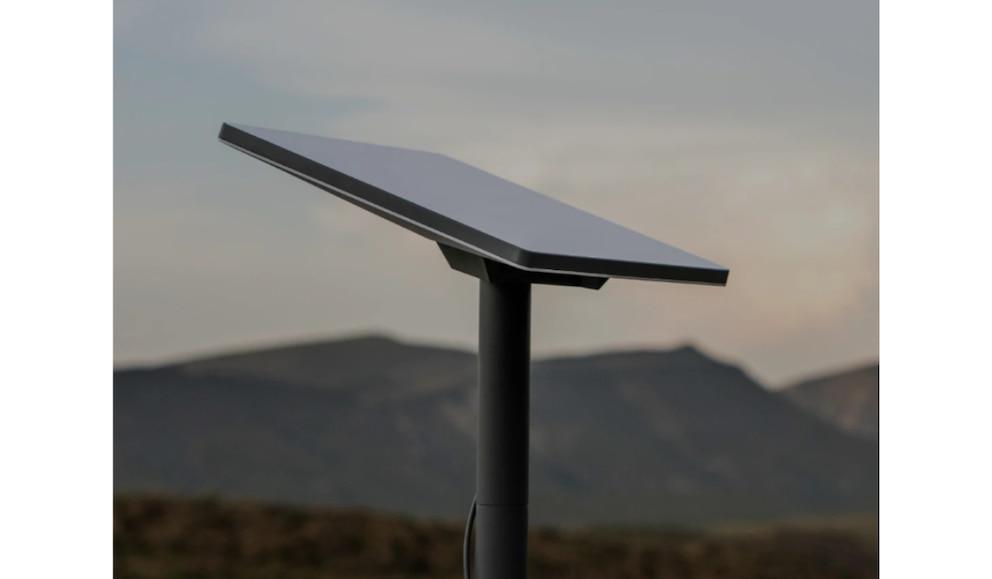
The connection attempt was documented by the passenger himself on his Instagram account, where he shared a video showing how he installed the Starlink antenna on the plane window, holding it with the blind and connecting it to a portable battery located in the front seat pocket.
In the publication, the user wrote: “Who hasn’t suffered the frustration of getting on a four-hour flight and not having Internet? When you get on the plane and the WiFi doesn’t work… Your problems are over!”
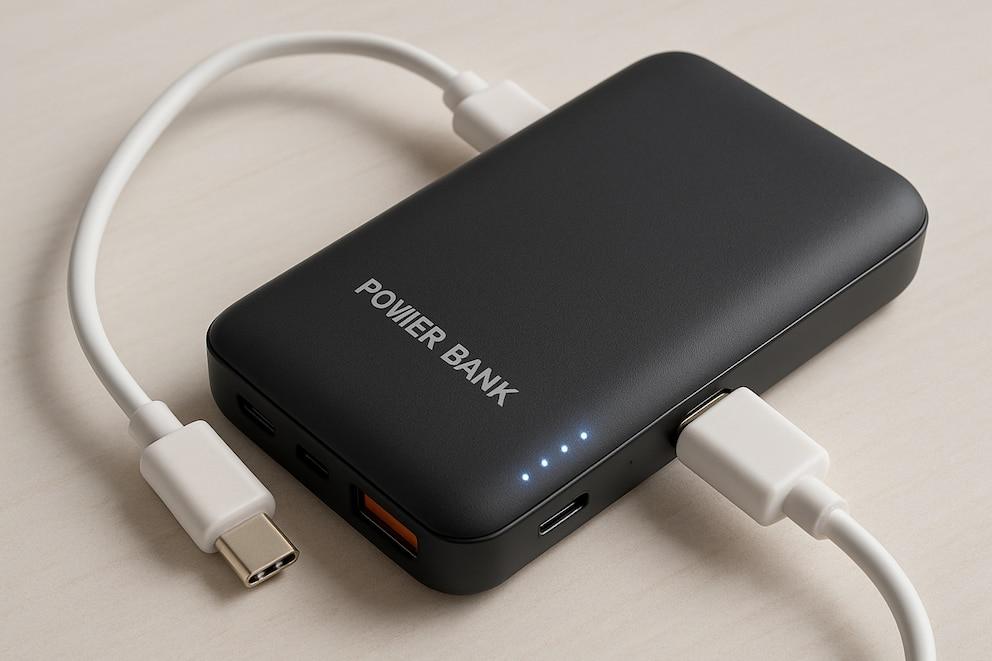
The device used to power the antenna had a capacity of 60,000mAh and 222 Wh, well above the 100 Wh allowed by Brazilian regulations for commercial flights.
According to regulators, large batteries present severe risks on board, due to the possibility of self-combustion in the event of overheating or short circuit, which can lead to the release of dangerous gases and situations that are difficult for the crew to control.
The Azul Linhas Aereas investigation now focuses on determining how the passenger managed to board with a prohibited device and what the failures were in the security control.The airline reiterated that the safety of passengers and crew is its top priority.
The Starlink system, developed by SpaceX, Elon Musk’s company, seeks to offer Internet access in remote areas through a network of thousands of satellites in low orbit.The service works through a compact antenna that, oriented towards the sky, receives the signal and distributes it through a router.
Although Starlink is promoted as a solution for areas without mobile network coverage, its use on commercial flights remains strictly regulated and requires formal integration with airline systems.
Although some planes already offer satellite Internet, the process involves the use of certified equipment and security protocols to avoid interference and risks.The case of Azul Linhas Aereas occurs in a context where several companies, including Iberia, British Airways, Vueling and United Airlines, have begun tests to officially implement Starlink in their fleets.

The first experiences collected by the airlines have shown improvements in the speed and capacity of the service compared to previous options.
The central difference lies in the control and certification of the devices that are installed on board.Lithium-ion batteries, such as the one used by the Brazilian passenger, can cause serious incidents if they do not meet the standards required by the aeronautical authorities.Regulations limit the capacity and quantity of these batteries on board to reduce the risk of fires and facilitate crew response in an emergency.
The airline maintains the active investigation and reiterated that any violation of safety regulations will be sanctioned in accordance with current legislation.The Azul Linhas Aereas incident opened a new debate about the challenges of connectivity on commercial flights and the need to strengthen controls to protect the integrity of passengers and crew.

