



The long-awaited launch of Nioh 3 last Friday represented a milestone for TeamNinja and Koei Tecmo: almost 90,000 players were connected simultaneously on Steam over the weekend, doubling the saga’s previous records. This figure, unprecedented to date for any previous Nioh installment and rare among Japanese games on PC, reflects both the great expectation of the community and the success of the launch.
Nioh 3 debuted globally on Friday, February 6, breaking several barriers. In just a few hours after its appearance on Steam and PlayStation 5, the game reached first place on the Steam trends list.The real-time monitoring showed the progress of the rise: 42,822 simultaneous players a few hours after the premiere, a figure that continued to increase after the first reports, until reaching a historical maximum for the saga the following Sunday, with 88,045 players online at the same time.
This number is more than double the 41,325 players that Nioh 2 obtained in 2021 and almost eight times the amount reached by the first title.The main difference with respect to previous deliveries is that Nioh 3 is the first to be released on the market simultaneously for PC and PlayStation users, a strategic decision that has shown its immediate and tangible impact.
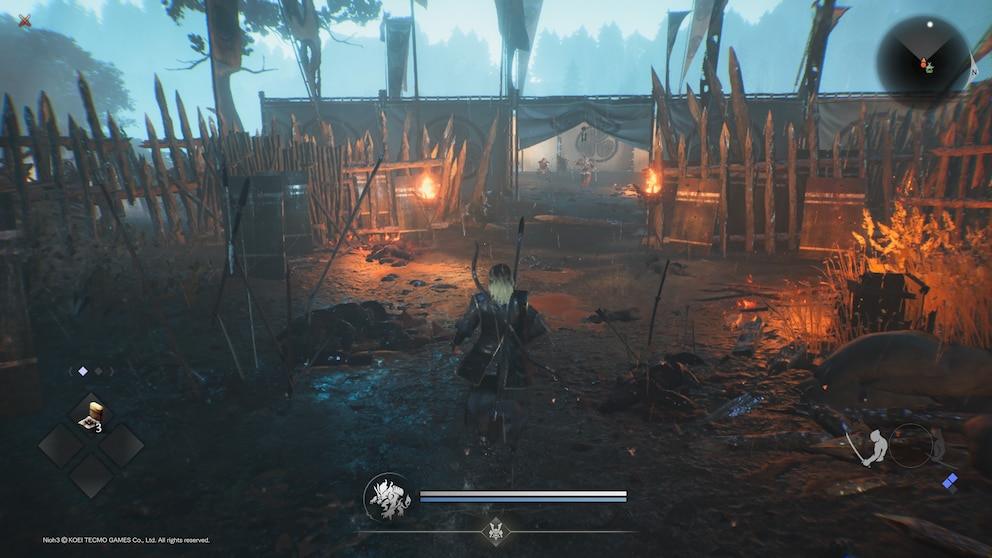
The success of Nioh 3 stands out not only in the numbers, but also in the opinion of the players.Fans of the series describe this installment as a milestone for Team Ninja, highlighting how the constant improvement of the action-difficulty formula, central characteristics of the genre called “masocore”, has managed to attract both veteran players and new users.
In addition, players highlight the fluidity of the mechanics, the improvements in gameplay and the renewed focus on online cooperation, elements that have been decisive for the positive evaluation and for attracting a broader audience than in previous installments.Although the data only reflects activity on Steam, the reception on PlayStation 5 is also favorable.
The successful launch of Nioh 3 could mark a turning point in the perception of Japanese releases for PC, a market that has historically been less of a priority for many studios in Japan.For Western audiences, the ability to play a highly anticipated title from day one on multiple platforms has been critical to the growth of the online community.
This record also highlights a change in distribution strategies, where the importance of simultaneous launch allows equal opportunities between console and PC players, eliminating the wait that previously divided communities.In the long term, this trend may mean that Japanese studios cater more to global audiences, improving accessibility, localization, and cross-platform support in future titles.

