


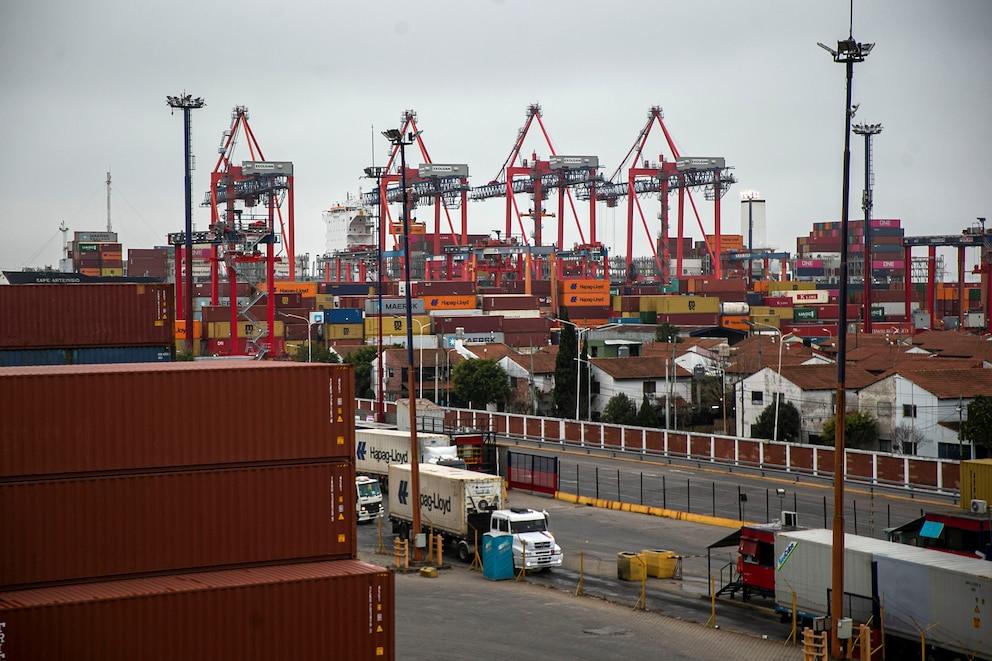
The Government, through the Decree of Necessity and Urgency (DNU) 41/2026, established key changes to the operation of the Customs Code. According to the text signed by Javier Milei and his cabinet, they decided how to process advance resolutions for imports and exports, a central axis within the operation of foreign trade.
The measure provides that, since its publication, importers and exporters will be able to request in advance official opinions on the classification of products and their origin, that is, on whether a product is considered national or foreign.These advance rulings allow us to know, before operating, what the exact customs treatment that will be applied to a merchandise will be and under what tax regime or restriction it will be placed.
The main novelty of the decree is the reassignment of who handles these procedures depending on the type of consultation.For the tariff classification and value of the merchandise, responsibility remains in the hands of the customs service, the technical sphere of customs dependent on the National Customs Collection and Control Agency (ARCA).On the other hand, when what is discussed is the origin of the product, the procedure will pass into the orbit of the Secretariat of Industry and Commerce of the Ministry of Economy.The organization may delegate this function only to authorities with the rank of undersecretary or higher.
For both cases, the administration established a maximum period of 30 days for the requests to be issued.If there is no response within that time, the interested person or company may move forward with the commercial operation under the conditions initially proposed and customs may require a guarantee as support.A technical source in the sector explained: “The user will be able to continue with the import even if the administration does not respond in time.”

Another key modification is the definition of the complaint channels. When it comes to a resolution on the classification or value of the merchandise, the importer or exporter may challenge the decision before customs itself, in accordance with the mechanisms of the current code.If, on the other hand, it is a decision on the origin of the product, the administrative appeals must be processed before the Ministry of Industry and Commerce, under the procedures established for the public administration.
The reform directly impacts the transparency and predictability of Argentine foreign trade.One of the fundamental reasons is the international obligation of the Argentine Republic to comply with the Agreement on Trade Facilitation of the World Trade Organization (WTO), which requires that countries have these advance resolutions regulated and operational for exporters and importers.
The original deadline to have the scheme in force was July 23, 2024, but Argentina requested an extension, which the WTO granted automatically, extending it until January 23, 2026. The decree itself recognizes: “The proximity of the expiration made the normal processing of the laws incompatible,” thus justifying the use of the presidential power to issue decrees of necessity and urgency, without first going through the National Congress.
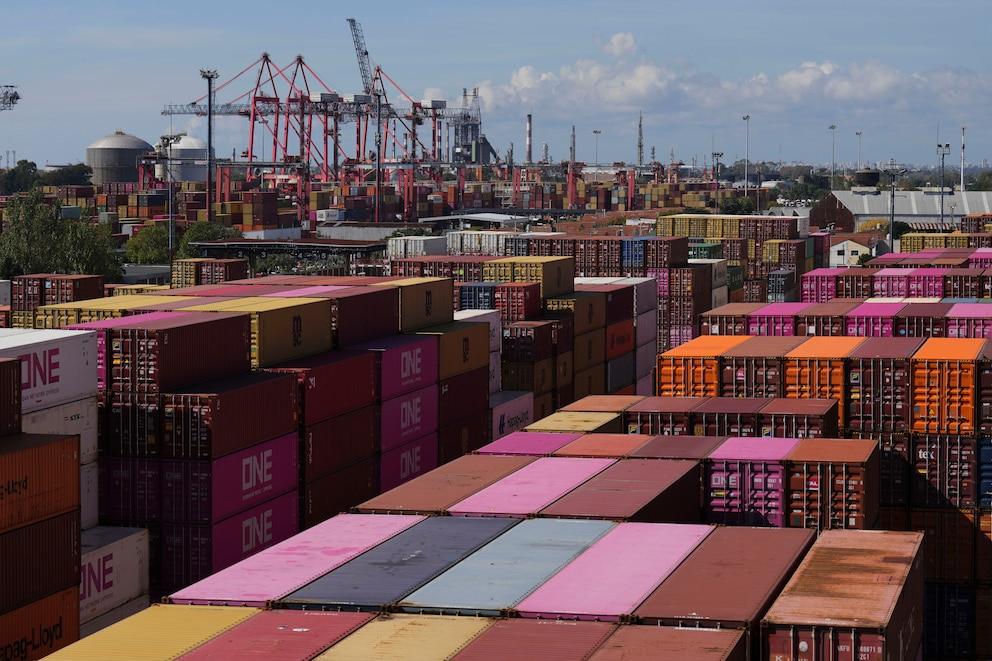
In the recitals, the text insists that the measure aims to simplify and debureaucratize customs procedures.Among the foundations is that importers and exporters, by having clear answers in advance, will be able to operate “with legal certainty”, avoiding delays and surprises due to inspections.
Operationally, the rules on advance rulings had already been implemented since 2023 through three resolutions issued by the then Federal Administration of Public Revenue: Resolution 5473/23, which regulates requests on tariff classification;Resolution 5477/23, for valuation issues and, since February 2024, Resolution 5484/24, for customs technical criteria.
Now, DNU 41/2026 specifically delimits the framework for the issue of “origin” and empowers the Ministry of Industry and Commerce to dictate all the necessary regulations to implement the procedure in that field, including requirements, forms and times.Furthermore, it establishes that its decisions will be valid and “binding” for the administration, unless the laws change or new facts arise that do not allow comparison with those that originated the resolution.

