


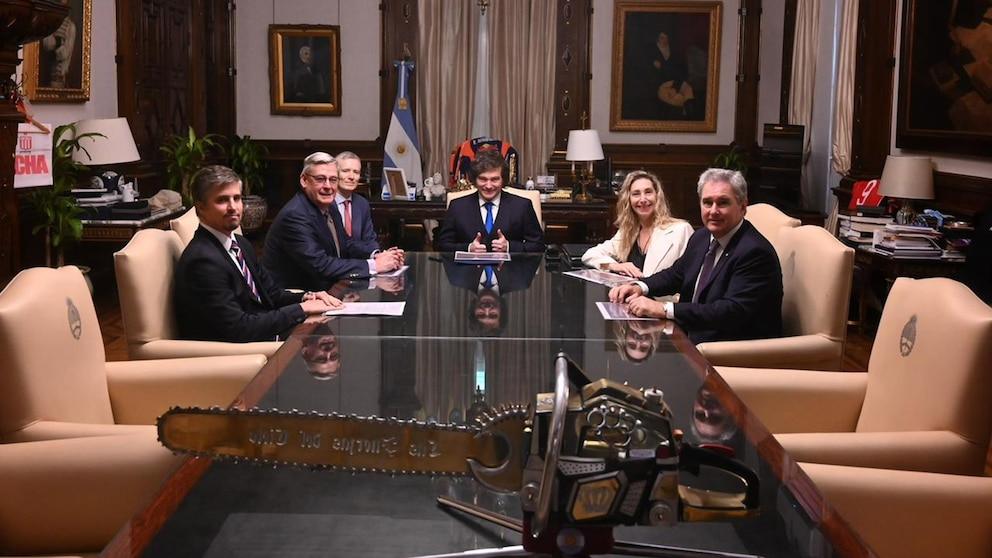
President Javier Milei led a meeting this Tuesday at Casa Rosada with the CEO of the Vicuña mining company, Ron Hochstein, and the local director of the firm, JoséMorea, after the announcement of the highest foreign direct investment recorded in national history that will involve the disbursement of USD 18,000 million, according to the company itself announced days ago.
Along with the president, the Secretary General of the Presidency, KarinaMilei, and Foreign Minister Pablo Quirno attended.The meeting was held after the company made official its development plan for the exploitation of copper, gold and silver in the country.
During the meeting, representatives of Vicuña Corp. stressed that the decision to move forward with the megaproject was supported by the Large Investment Incentive Regime (RIGI), promoted by the Executive.They highlighted that this framework of predictability, stability and legal security was decisive in making the investment viable.“Without this instrument, a development of this magnitude would not have been viable in Argentina,” the executives expressed at the meeting, according to the official statement.
The total disbursement projected for the first decade amounts to USD 18 billion, an unprecedented figure for the Argentine mining sector.Of this total, USD 7,000 million will be applied until obtaining the first copper concentrate, scheduled for 2030. The plan includes two main projects: Josemaría and Filo del Sol.
The announcement of the investment is part of a Government strategy to attract international capital and position Argentina as a global supplier of strategic minerals.Milei himself pointed out in recent statements that the country seeks to transform its productive matrix and take advantage of the opportunities derived from the energy transition and the global demand for metals such as copper, gold and silver.
The company Vicuña Corp. has among its main shareholders the international groups BHP and Lundin Mining, two leaders in global mining.With this investment, the Argentine operation will place the firm among the five largest copper, gold and silver exploitations on the planet.
The RIGI, approved by the national government, establishes tax, customs and exchange incentives for large-scale productive investments.The objective is to attract developments that, due to their scale, demand legal guarantees and clear long-term rules.The case of Vicuña Corp. became the first large mining project to access this regulatory framework.
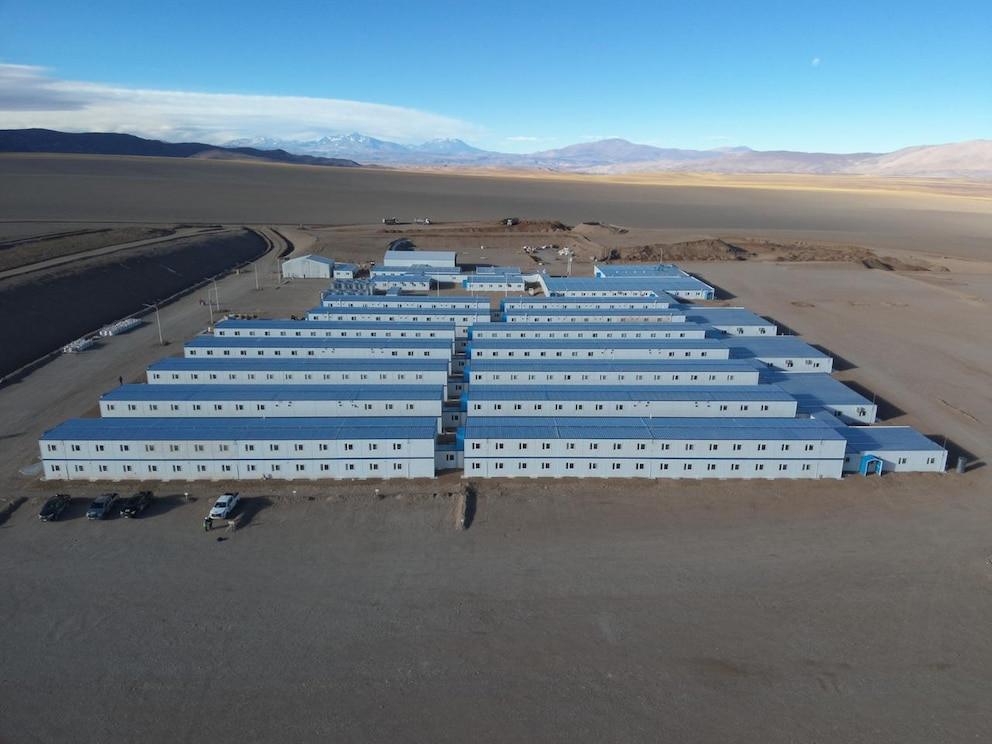
The Josemaría and Filo del Sol projects are located in the province of San Juan, one of the jurisdictions with the greatest geological potential in the country.According to the plan presented, the initial stage will require the construction of infrastructure, processing plants and access roads, as well as the acquisition of state-of-the-art equipment.
The development of these deposits will generate a relevant impact on employment, the provision of services and the transfer of technology.Although the company did not specify figures on the number of direct and indirect jobs, sources in the sector estimate that the investment movement will boost regional economies and the associated industrial clusters.
In a statement announcing the investment, the company reiterated that it expects Vicuña to be among the top five copper, gold and silver operations in the world, with average annual production over the first 25 full years of approximately 395,000 tons of copper, 711,000 ounces of gold and 22.2 million ounces of silver.
On that occasion, Hochstein commented: “The Vicuña Project is a transformational opportunity for Argentina. As one of the most relevant undeveloped copper districts in the world, it has the potential to drive long-term economic growth through foreign investment, employment and increased export income. We are committed to advancing Vicuña responsibly and in collaboration with governments and communities to generate sustainable value for the country.”
“During the first 10 years of production, the project is expected to deliver approximately 2.5 million tons (Mt) of copper, 5.5 million ounces (Moz) of gold and 214 million ounces (Moz) of silver,” the company detailed.
Argentina’s positioning strategy as a global supplier of critical minerals responds to the growing demand for copper, gold and silver in the context of the energy transition, electromobility and technological industries.The Josemaría and Filo del Sol projects aspire to supply international markets from a competitive production platform.
The landing of these capitals reinforces the export profile of the Argentine mining sector and expands development opportunities for the producing regions.San Juan, headquarters of the deposits, has consolidated itself in recent years as one of the most active provinces in terms of mining investments and public-private alliances.

