


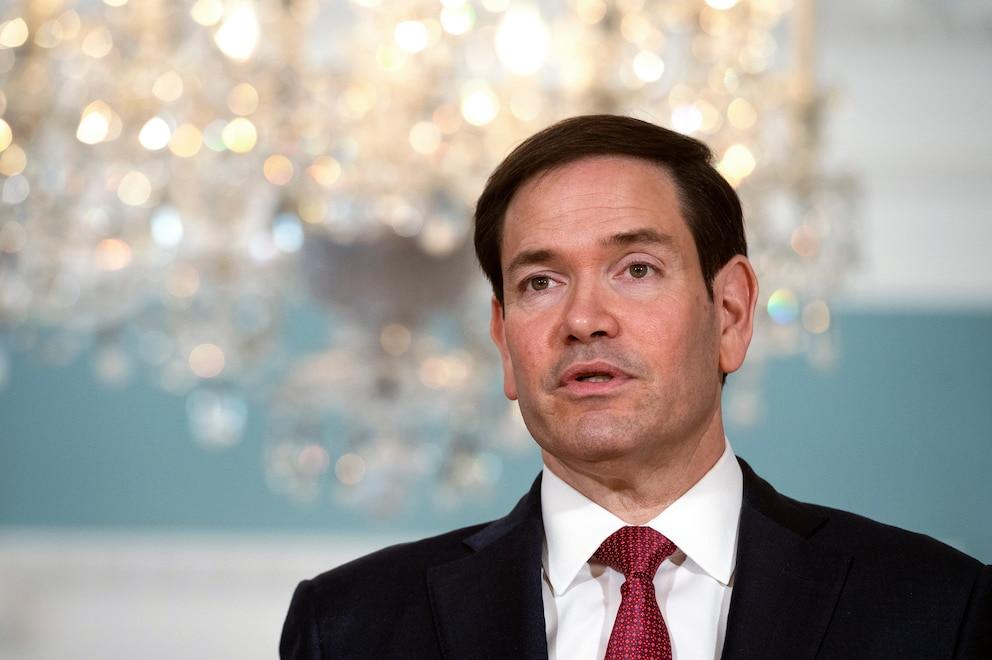
The Secretary of State of the United States, Marco Rubio, will appear this Wednesday at 10:00 (Washington local time) before the Senate Foreign Relations Committee to detail the next steps of US policy towards Venezuela, according to the speech released Tuesday night by the State Department.
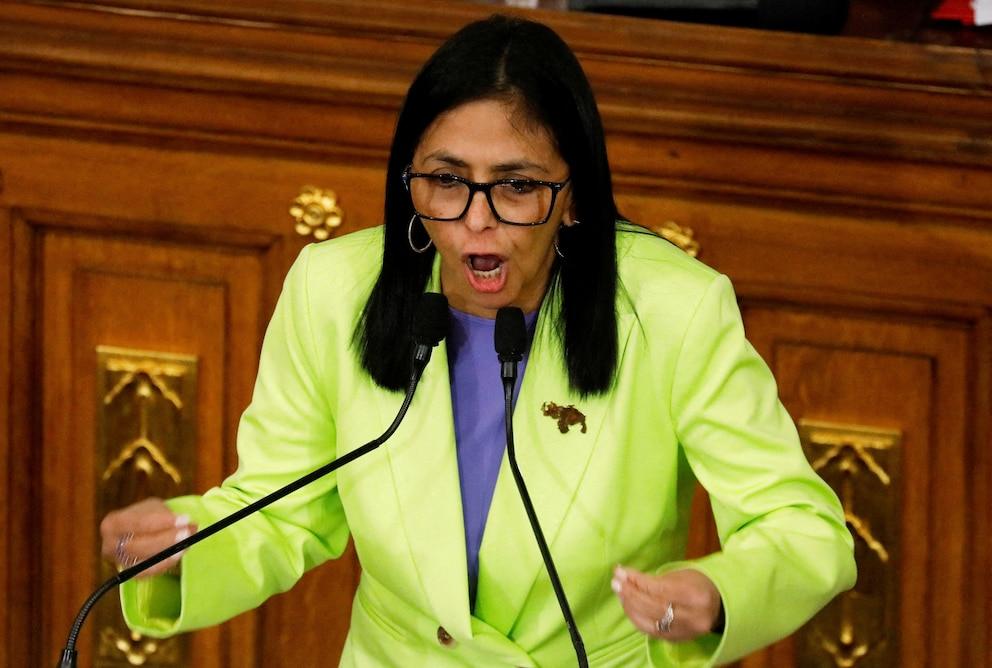
In the text, Rubio warns that the government of President Donald Trump does not rule out the use of force if the Venezuelan interim president, DelcyRodríguez, does not cooperate with Washington’s demands.“Let there be no doubt: as the president has stated, we are prepared to use force to ensure maximum cooperation if other methods fail,” the text states.
“We will closely monitor the performance of the interim authorities as they cooperate with our phased plan to restore stability in Venezuela,” the speech indicates.
In it, the head of US diplomacy maintains that Rodríguez is aware of the precedent left by Maduro’s fall.“Rodríguez knows Maduro’s destiny very well,” he says, adding: “We believe that his own interest aligns with the advancement of our key objectives.”
Furthermore, the Secretary of State forcefully defends the January 3 operation, carried out by US commandos in Caracas, and rejects that it was an act of war.“We are not at war against Venezuela,” Rubio assures.”We are not occupying a foreign country. There are no American troops on the ground. It was an operation to support law enforcement,” he adds.
During the operation, Maduro and Flores were captured and taken to New York, where they face drug trafficking charges issued by US courts, accusations that both deny.In his speech, Rubio describes Maduro as “an indicted drug trafficker, not a legal head of state” and claims that the United States “arrested two drug traffickers.”
He also emphasizes that the operation was carried out without American casualties.“All of this was achieved without the loss of a single American life, nor a continued military occupation,” he maintains.“History offers few examples in which so much has been achieved at such a low cost,” he adds.
Rubio’s appearance comes after weeks of criticism from Democratic lawmakers, who accuse the Trump administration of misleading Congress and exceeding its constitutional authority by using force without legislative authorization.Rubio, a former Republican senator from Florida, agreed to testify before his former colleagues in that context.
Congress has not limited the president’s actions on Venezuela.The House of Representatives narrowly rejected a resolution based on the War Powers Act that sought to order the withdrawal of American troops, even though the administration maintains that there are no forces deployed in Venezuelan territory.
In his testimony, Rubio also defends the attacks on suspected drug trafficking vessels in the Caribbean and Eastern Pacific, as well as the seizure of sanctioned oil tankers transporting Venezuelan crude oil. He rejects accusations of constitutional violations and affirms that the measures respond to security and justice objectives.
In parallel to the warnings, Rubio points out in his testimony that Washington is moving forward in the gradual normalization of relations with the Venezuelan interim government.It states that Rodríguez “has expressed his intention to cooperate with the United States” and that he committed to opening Venezuela’s energy sector to American companies, granting them preferential access and ending the supply of subsidized oil to Cuba.
Rodríguez declared on Tuesday that his government and the Trump administration “have established respectful and cordial communication channels” and that both parties are working on a joint agenda.He also stated that his Government does not accept external “orders”, comments that Trump minimized by stating that he maintains a “very good relationship” with the interim authorities.
As part of the diplomatic approach, the State Department notified Congress of its intention to send additional diplomatic and support personnel to Caracas to prepare for an eventual reopening of the US embassy, closed in 2019. Full normalization would require reversing US recognition of the Venezuelan Parliament elected in 2015.
After his appearance before the Senate, Rubio will also meet with opposition leader María Corina Machado, who remained hidden after the 2024 presidential elections and reappeared in December to receive the Nobel Peace Prize in Norway.
(With information from agencies)

