


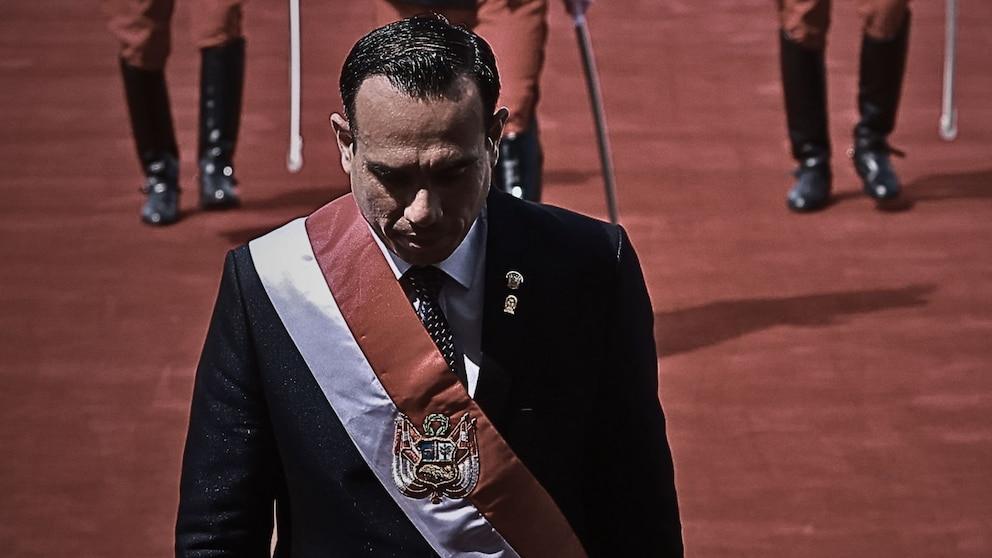
The Congress of the Republic censured Congressman José Jeríen with 75 votes in favor of the position as president of Peru that he assumed after the vacancy of Dina Boluarte, in an extraordinary plenary session that once again changed the political course of the country.Now, Parliament must activate an immediate procedure to elect his replacement less than two months before the general elections in April.
As previously explained by the head of Congress, Fernando Rospigliosi, the election would not be automatic.After the censure is approved, a 24-hour period will open for the presentation of candidates and calling for a vote in the plenary session, which will resume this Wednesday, February 18 at 6:00 p.m.
The mechanism would be similar to that used to elect the president of Congress:
Although there are no official candidates so far, some names are mentioned in the corridors of Parliament:
Also mentioned:
The scenario will depend on the political agreements that are reached in the hours after the censorship.Some groups are considering presenting a single candidacy to avoid a fragmented vote.
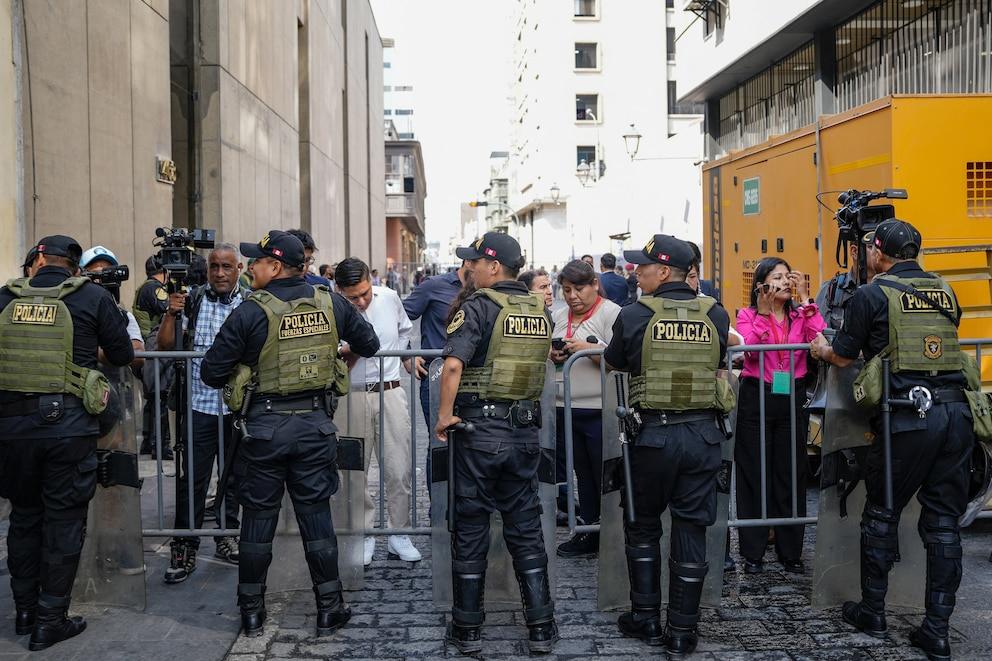
Peru is once again going through a context of high political tension after the dismissal of José Jerí, who becomes the seventh president in less than nine years, reflecting the deep institutional instability that has characterized the country since 2016. In this period, Pedro Pablo Kuczynski, Martín Vizcarra, Manuel Merino, Francisco Sagasti, PedroCastillo, Dina Boluarte and, finally, Jerí succeeded each other in power.The next president, who will be elected by Congress in the next few hours, will assume his eighth presidential term in less than a decade, an unprecedented figure in recent Republican history.
The censure of Jerí was promoted by seven motions endorsed by 78 signatures, after a series of scandals that included the revelation of informal meetings with Chinese businessmen and the opening of a preliminary investigation by the Attorney General’s Office for alleged influence peddling.
Added to these events were serious ethical and administrative questions: various legislative reports and journalistic complaints pointed out the irregular hiring of young people linked to Jerí’s personal and political environment, many of them under 30 years of age and without proven experience for the advisory and consulting positions assigned in the Congress of the Republic.These contracts generated strong rejection among parliamentarians and public opinion, aggravated by the detection of long hours of visits to Jerí’s office days before the contract was awarded.
The sum of these factors led to the rapid loss of political support and led to a majority vote in favor of censure, in an environment of parliamentary fragmentation and citizen distrust.The country is now heading towards the election of its eighth president in nine years, while social pressure and uncertainty persist about the ability of Congress to guarantee governability until the next general elections.

