



Japan holds parliamentary elections this Sunday in a climate of expectation for the country’s political future and the direction of the ruling Liberal Democratic Party (LDP), led by Prime Minister Sanae Takaichi.
In Tokyo, snow began to fall on Saturday morning and temperatures will not exceed one degree this Sunday, a day in which the Japanese capital woke up completely covered.
In other regions, where much heavier snowfall was expected, the authorities decided to adjust the opening and closing times of polling stations based on weather forecasts, according to public broadcaster NHK.
Takaichi%20vot%C3%B3%20of%20form%20early%20on%20Thursday%20and%20asked%C3%B3%20to%20who%20reside%20in%20areasaffected%20by%20the%20temfor%20that%20do%20the%20same.%20Until%20on%20Friday,%20m%C3%A1s%20of%2020,79million%20of%20people%20%E2%80%94approximately%20%2019from%20m%C3%A1s%20of%2044,600electoral%20schools%20at%20last%2007.00%20time%20local%20was%20ready%20for%20the%20start%20of%20the elections.
According to the latest surveys by Japanese media, Takaichi’s LDP could obtain more than 300 seats of the 465 that make up the Lower House, which would ensure it an absolute majority.If the coalition reaches at least 310 seats – two-thirds of the chamber – it could even approve bills rejected in the Upper House, where they are currently in a minority.
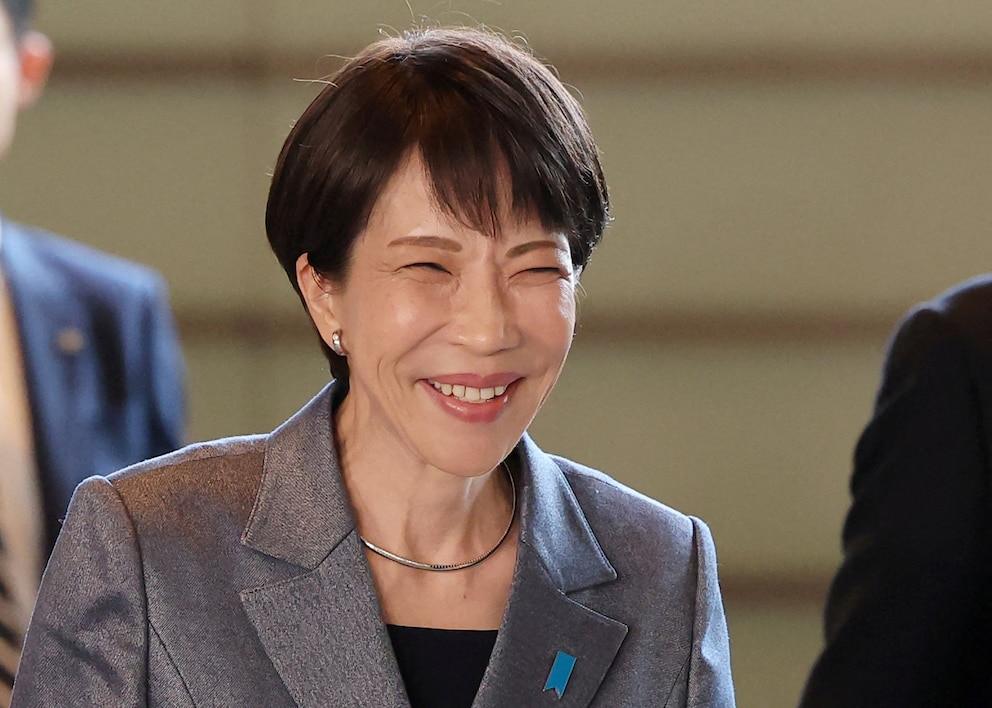
The president, the first woman in office, seeks that the early elections consolidate a sufficient majority to promote an ambitious conservative agenda, at times of growing tensions with the Chinese regime and under the gaze of a key ally such as the United States and President Donald Trump.
Takaichi, popular among young voters for his direct style and his promise to “work, work, work,” faces the challenge of renewing the image of a party dominant for seven decades but currently undervalued in polls.
The prime minister is betting on an alliance with the Japan Innovation Party to achieve a majority in the 465-seat lower house, although polls predict that the LDP could obtain a simple majority on its own. Projections suggest that the coalition can reach up to 300 seats, a considerable jump compared to the slim majority after the 2024 defeat.
Takaichi announced that he will resign if the PLD does not achieve the majority.A resounding victory would mean a shift to the right in security, immigration and defense policies, in line with the recent rise of nationalist parties such as Sanseito.The prime minister promised to review defense strategies by December, lift the ban on arms exports and strengthen offensive military capabilities, while moving away from the pacifist principles established after the Second World War.

His agenda includes stricter measures against foreigners, new policies to combat espionage and restrictions on the acquisition of property by non-residents.Japan’s first woman prime minister also proposed increasing defense spending.
During the campaign, the prime minister chose to focus on the economy and immigration, avoiding controversial topics.However, experts warn that some of his proposals could affect civil rights.Election day is also marked by record snowfall in the north of the country, which caused blockades and could delay the count in the most affected regions. The opposition, weakened by fragmentation, is not emerging as a serious challenge to the PLD’s dominance in these elections.
(With information from EFE and Associated Press)

