



The Iranian Armed Forces warned that the presence of a US aircraft carrier and other ships in the Middle East increases their “vulnerability” and turns them into “targets within reach”, in a context of growing bilateral tension marked by internal protests in the Islamic Republic and a reinforcement of the US military deployment in the region.
“The concentration and accumulation of forces and equipment in the area will not be a deterrent factor, but will increase their vulnerability and turn them into reachable targets,” said a military source at the Khatam al Anbiya Base, the unified central command of the Iranian Armed Forces, according to Iran’s state television.
The source, whose name was not made public, maintained that the idea of carrying out a “limited, quick and clean operation against Iran is due to incorrect estimates and an incomplete understanding of the Islamic Republic’s defensive and offensive capabilities.”
Along the same lines, the unified central command of the Iranian Armed Forces noted that “the Islamic Republic will not start any war, but will not allow any threat against the national security of the country.”
The warnings came after the entry of the aircraft carrier USS Abraham Lincoln and its strike group into Middle Eastern waters, a deployment confirmed by the United States Central Command (Centcom).
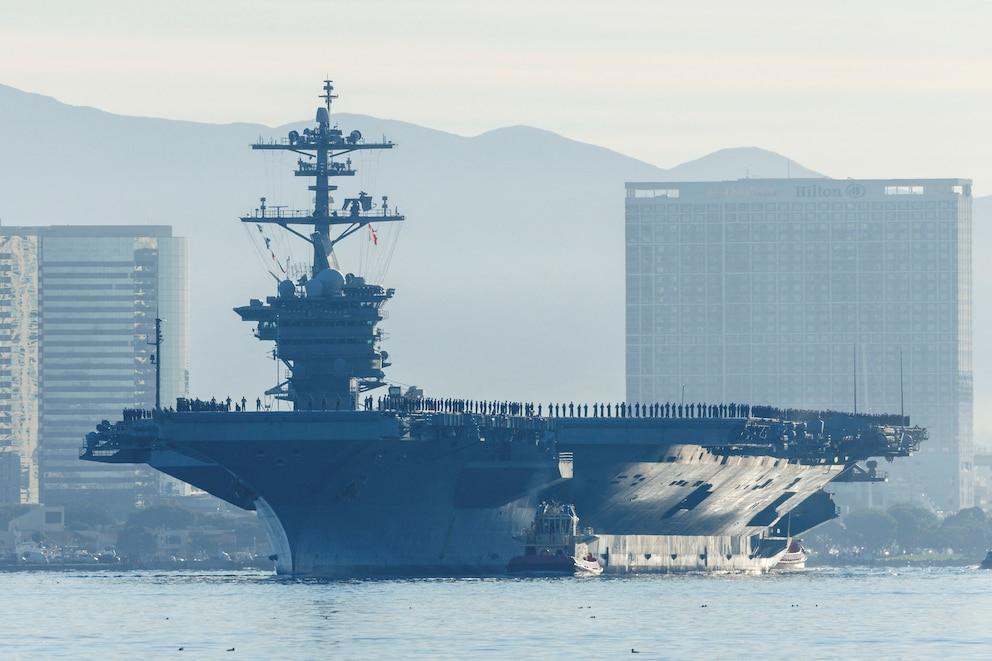
“The Abraham Lincoln Carrier Strike Group is currently deployed to the Middle East to promote regional security and stability,” Centcom reported on its social networks.According to US officials cited by international media, the group is located in the Indian Ocean, within the command’s operational radius, which allows a rapid response to possible political or military decisions.
The same sources clarified that the aircraft carrier does not necessarily occupy its final position for a specific operation and that there is no confirmed attack order.
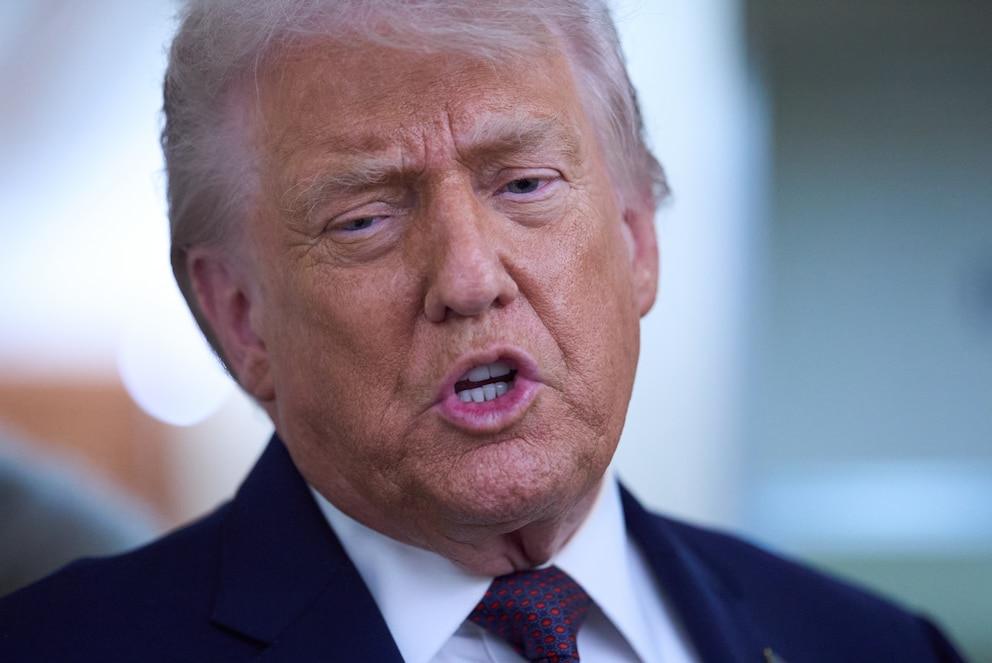
The president of the United States, Donald Trump, announced days ago that his country has a “huge fleet” heading to waters near Iran and warned Tehran about the need to end the repression against the wave of protests that shook the country.
“We have a large navy near Iran. Bigger than Venezuela’s,” Trump said in an interview with the Axios portal.The president also stressed that “all options remain on the table” in the face of any Iranian escalation.
The protests in Iran began at the end of December due to the increase in the cost of living and evolved into an open questioning of the political system established after the Islamic Revolution of 1979.
The authorities of the Iranian regime accused the United States and Israel of organizing demonstrations that they described as “terrorist.”According to official Iranian figures, the riots left 3,117 dead, while opposition organizations such as HRANA, based in the United States, reported 5,495 deaths.
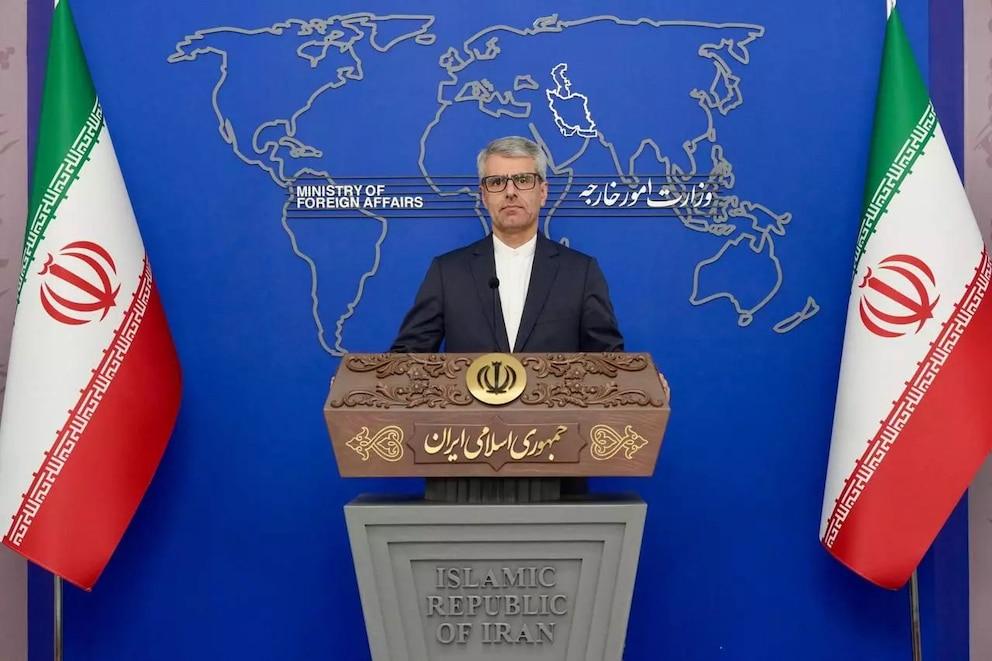
Iran assured that it will respond to any US intervention and warned that, in the event of an eventual attack, it will consider all US bases in the region as military objectives.The spokesman for the Iranian Foreign Ministry, Esmail Baqai, maintained that the presence of the aircraft carrier “does not affect Iran’s determination and seriousness to defend the nation” and stressed confidence in the ability of the armed forces to respond to any aggression.
For his part, the commander of the General Staff, Ali Abdollahi, warned that “any attack will immediately convert all US interests, bases and centers of influence into defined and accessible targets.”
The USS Abraham Lincoln strike group includes destroyers and cruisers capable of launching Tomahawk missiles.In addition, the US Navy deployed F-35C and F/A-18 fighter jets, along with EA-18G Growler electronic warfare aircraft, while F-15E fighters and Patrioty Thaad anti-missile systems were positioned at allied bases in the region.
The military escalation generated concern among Washington’s Arab allies in the Persian Gulf, who asked to avoid a regional war.Pro-Iran groups in Iraq, such as Kataeb Hezbollah, urged their followers to prepare for a possible all-out conflict in defense of Iran.
Centcom reiterated that the mission of the deployment aims to “guarantee security and stability,” although the situation remains under international observation in the midst of a volatile scenario.
(With information from EFE and AFP)

