


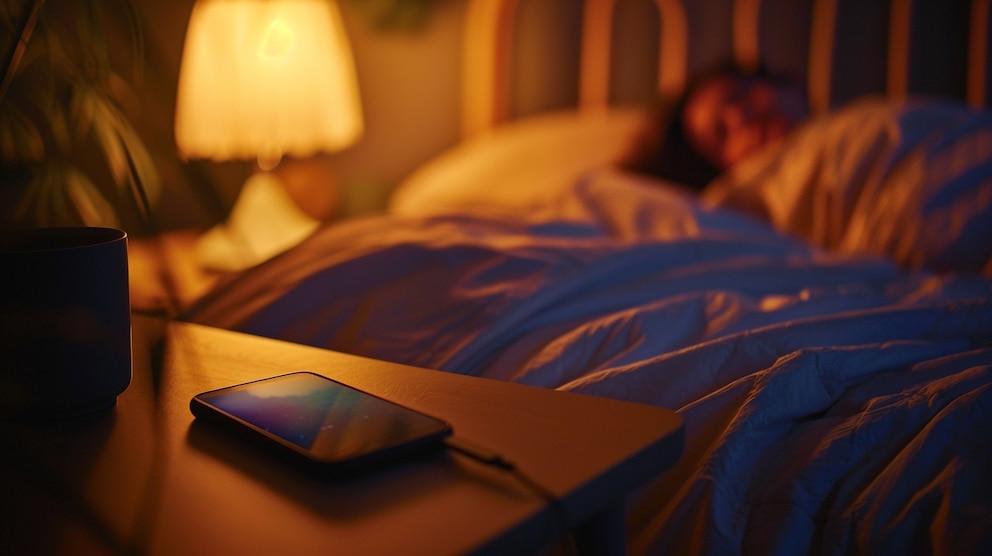
Sleeping with your cell phone on the nightstand is a habit that, according to various specialists, directly affects the brain’s ability to regenerate during rest.Which for many may be the answer to why when they wake up they are more tired than before going to sleep.
Experts in aging and sleep disorders agree that the presence of electronic devices near the bed introduces stimuli that alter the quality of sleep and can lead to short- and long-term health problems.
The everyday gesture of leaving your cell phone charging next to your bed seems harmless, but it has consequences that go beyond notifications or the light on the screen.
Diego Suárez, a specialist in healthy aging, warns that sleeping with the phone near your head can interfere with fundamental biological processes of sleep.According to publications on their social networks, the nighttime environment and the absence of technology are key pieces for the brain to repair itself and consolidate cognitive functions.
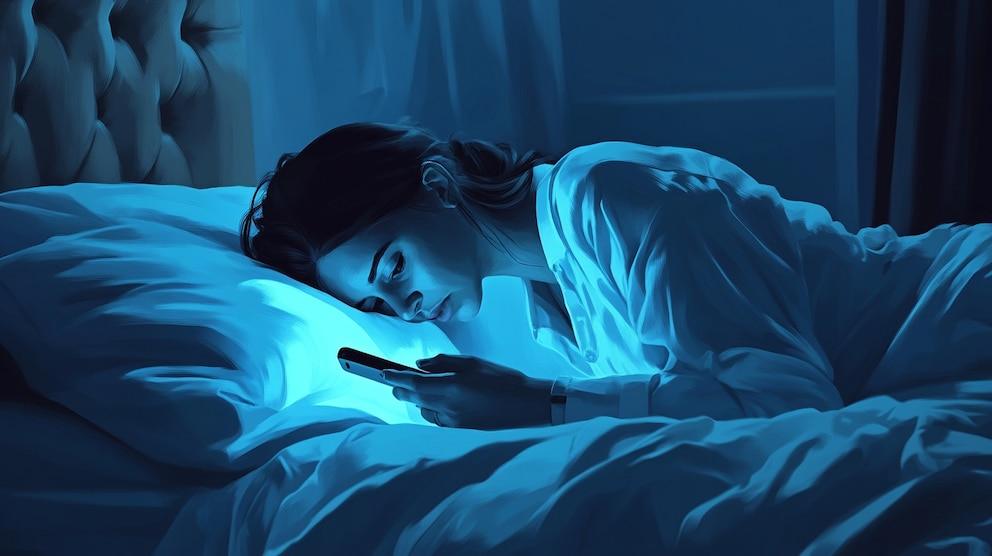
The bedroom, according to Suárez, should be a space free of technological stimuli, especially during hours of deep sleep.Sleeping is not just resting, it is a process in which the body regulates hormones, consolidates memory and activates cellular repair mechanisms.
The deep phases of sleep allow this process to be effective, as long as the environment favors darkness, silence and stability.
The specialist maintains that the presence of devices near the head at night not only introduces vibrations or lights, but also constant exposure to wireless signals.
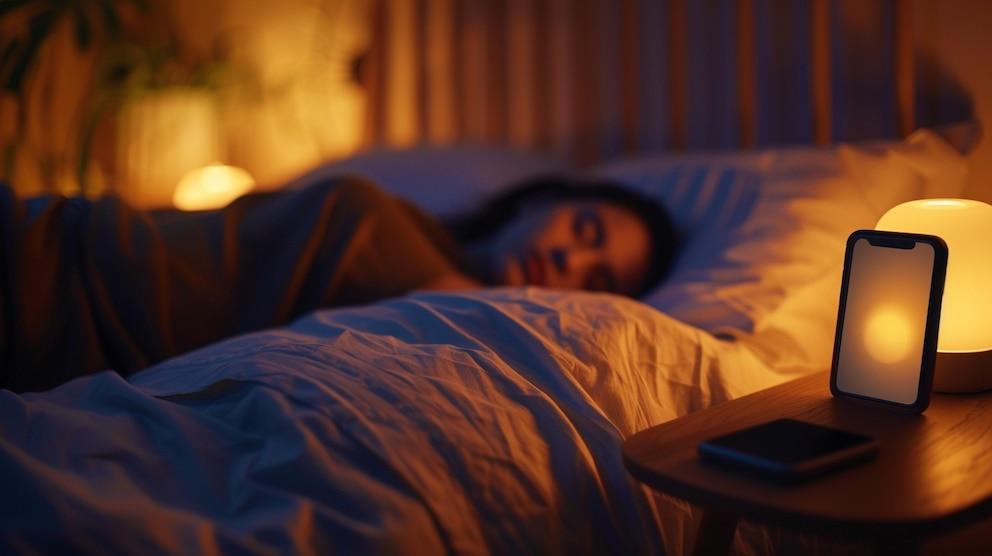
This environment can alter brain activity and affect the production of melatonin, the hormone that regulates biological rhythms and keeps rest stable.The recommendation is clear: move the cell phone away from the bed to reduce any factor that may interfere with the quality of sleep.
The screens of mobile devices emit shortwave blue light, one of the main responsible for disrupting the circadian rhythm.
Studies%20performed%20by%20the%20Institute%20Polit%C3%A9cnico%20Rensselaer%20of%20New%20York%20haveshown%20that%20the%20exhibition%C3%B3n%20night%20a%20this%20luz%20can%20suppress%20up to%20%2050%%20the%20%C3%B3n%20production%20of%20melatonin%20and%20increase%20a%2028%%20the%20levels%20of%20cortisol,%20the%20hormone%20estr%C3%A9s.
As a consequence, the onset of sleep is usually delayed by an average of one hour, which explains why many people feel tired even after sleeping the recommended hours.
The%20impact%20immediate%20m%C3%A1s%20evident%20es%20the%20fragmentation%C3%B3n%20del%20sue%C3%B1o%20MOR%20(eye movements%20r%C3%A1speeds).%20Research%20in%20Sleep%20Medicine%20Reviews%20reveal%20what%20use%20the cell phone%20thirty%20minutes%20before%20of%20sleep%20reduce%20a%2020%%20the%20sue%C3%B1o%20deep%20andincreases%20the%20microawakenings%20nighttime%20up to%20twelve%20times%20per%20night.
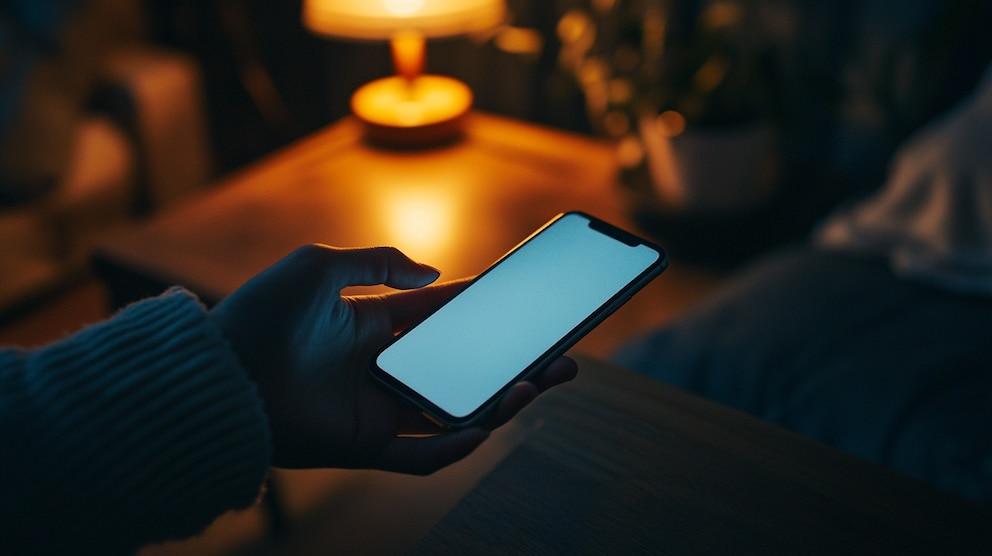
In addition, notifications activate the amygdala and prefrontal cortex, brain areas related to fear and decision making, generating a state of hypervigilance incompatible with the relaxation necessary for sleep.
The%20use%20night%20of%20m%C3%B3vile%20does not%20only%20affect%20on%20immediate%20rest.%20Studies of%20the%20University%20of%20Chicago%20with%203,500%20participants%20have%20found%20that%20those who used%20the%20cellphone%20at%20the%20night%20presented%20a%2045%%20m%C3%A1s%20rrisk%20of%20developingdiabetes%20and%20a%20resistance%20to%20insulin%20m%C3%A1s%20marked.
In addition%C3%A1s,%20la%20American%20Heart%20Association%20alert%20what%20sleep%20less%20of%20six%20horitincreases%20in%20a%2027%%20the%20risk%20of%20infarction%20and%20elevates%20the%20%20%C3%B3n%20pressure.
In the field of mental health, meta-analyses published in JAMA Psychiatry have linked nighttime screen use with a higher incidence of morning anxiety and have shown that this habit doubles the risk of suffering from depression.
%20addiction%C3%B3n%20al%20m%C3%B3vile,%20known%20as%20nomophobia,%20affects%20and%20al%2066%%20of%20millennials,%20sec%C3%BAn%20the%20University%20of%20Hong%20Kong.%20Review%20the%20device%20twenty times%20per%20hour%20or%20experience%20anxiety%20when%20the%20batter%C3%ADa%20is%C3%A1%20low%20are%20se%C3%B1away from%20this%20digital%20dependency.

