


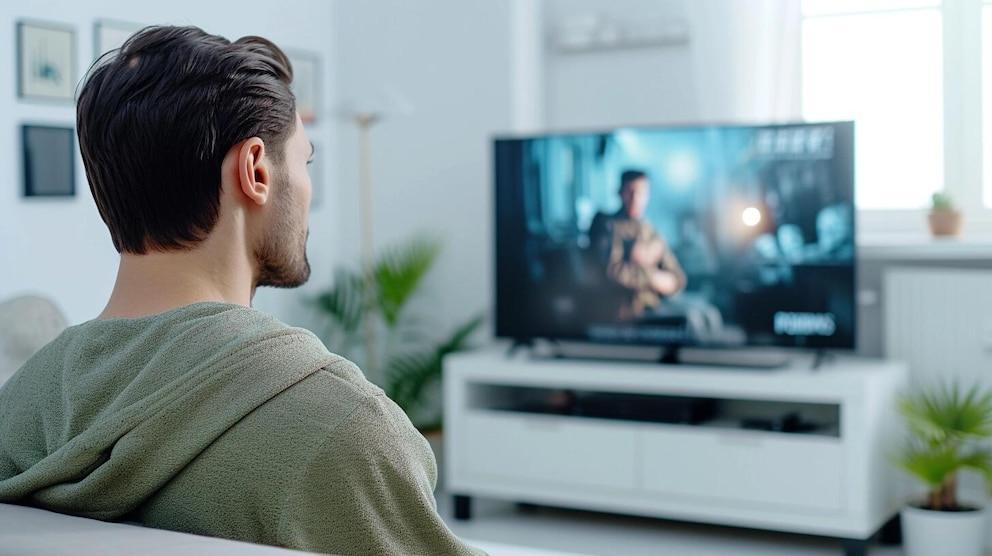
Sometimes, the experience in front of a new television is far from what was expected. Although the screen looks modern and the colors seem intense, some viewers perceive that the image lacks naturalness.
The main reason for this effect is usually linked to a specific configuration that many current televisions have activated.Manufacturers want devices to stand out in store spaces, where visual competition is intense and the first impression is crucial.
For this reason, users must apply certain settings when purchasing and installing a television in their homes, starting with deactivating the default motion smoothing or frame interpolation function.
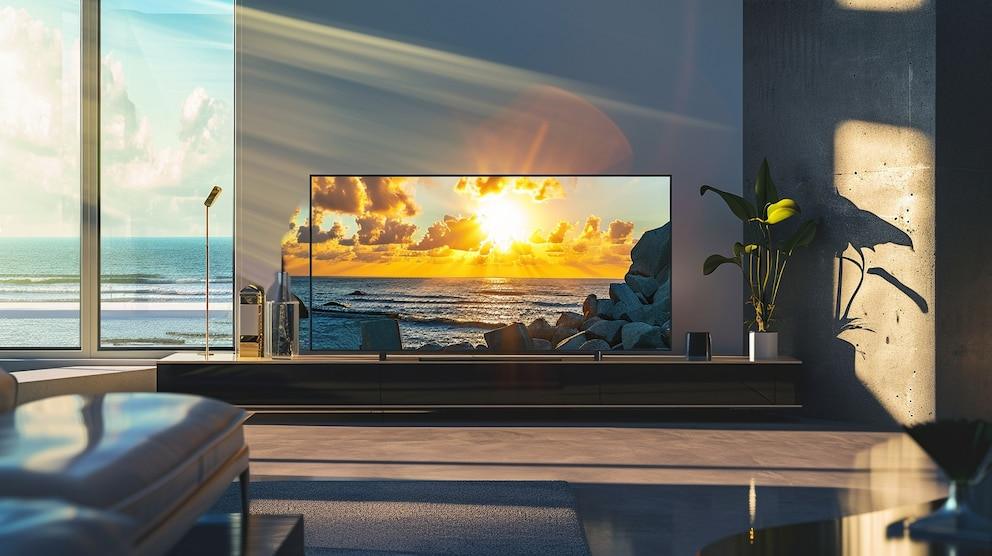
Motion smoothing is presented as a technological innovation, but its impact on the viewer’s experience is a matter of debate.By creating intermediate images between real frames, it transforms the visual sensation, eliminating the characteristic “flicker” of cinema.
This may be desirable in sporting events, where the extra fluidity makes it easier to follow the action.However, when applied to movies and series, the effect causes a loss of texture and atmosphere.
The user perceives that the image is “very soft” and loses the depth and grain characteristic of cinema.For this reason, it is suggested to disable motionsmoothing if the objective is to enjoy a reproduction faithful to the director’s intention and preserve the original audiovisual experience.
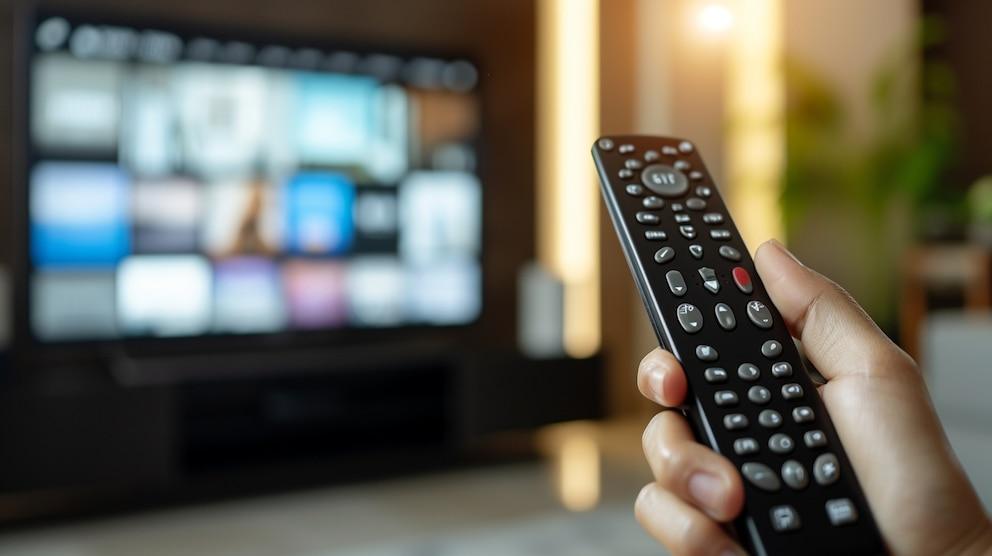
Another common feature is noise reduction.This adjustment is intended to clean low quality signals, eliminating imperfections in the image.However, with the increase in high definition (HD) and 4K content, its usefulness decreases, because it can erase valuable details.
Noise reduction tends to soften the image to the point of eliminating subtle textures, such as skin pores or film grain.This especially affects dark scenes, where the function can leave flat areas without relevant information.
For those who prioritize image quality, it is suggested to set noise reduction to a minimum or disable it, especially when playing movies in higher quality formats.
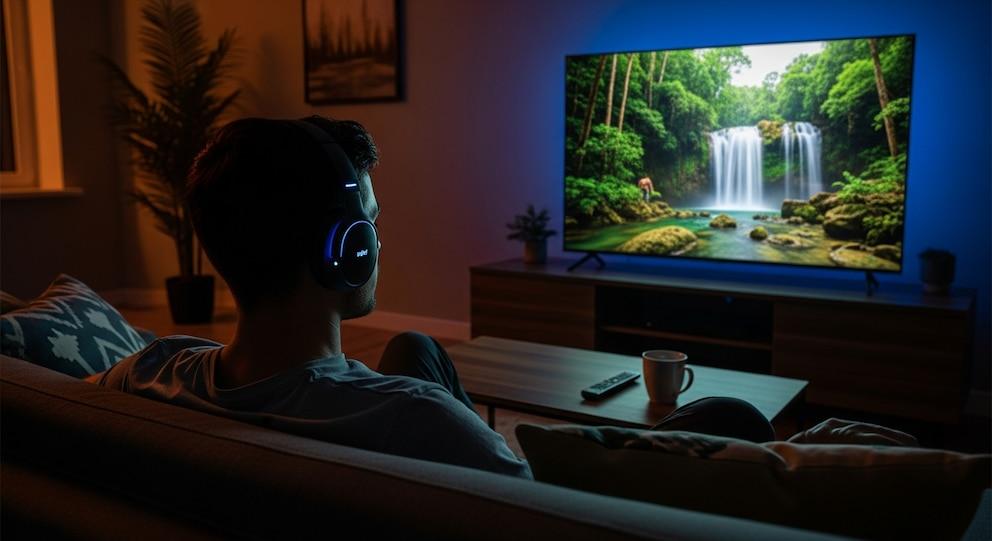
Most televisions come with several preset picture modes, such as Standard, Dynamic, or Vivid.Profile settings are intended to stand out under intense store lighting, but are not ideal for home use where lighting conditions and preferences change.
The mode suitable for watching movies is usually called Cinema, Movie or Film, depending on the brand.This profile adjusts brightness, reduces aggressive post-processing processes and offers more balanced and natural colors.
Although it may initially be perceived as “less bright,” this setting is more faithful to the creators’ original intention and more comfortable on the eyes.
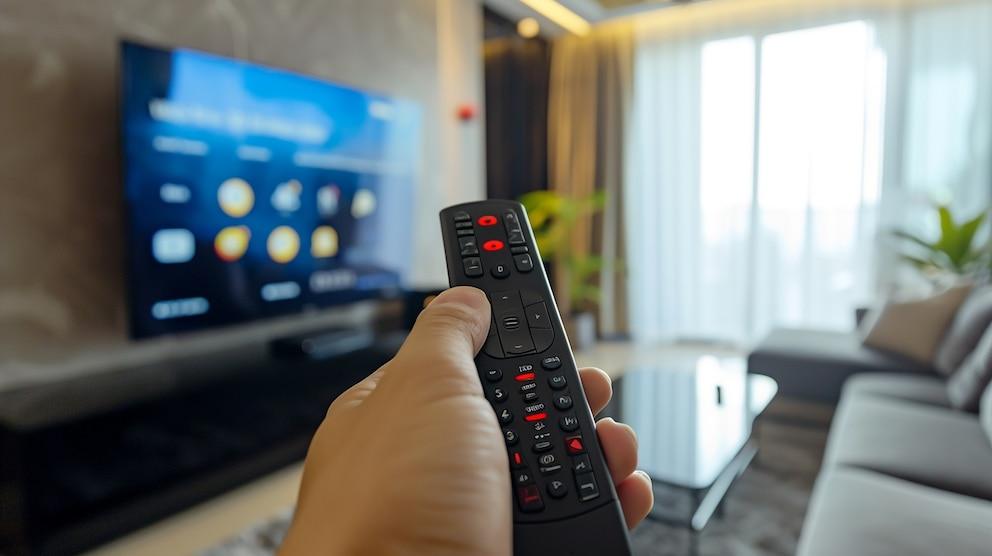
Eco modes and ambient light sensors are designed to save energy and adapt the screen brightness according to the lighting in the space.
Although these systems can be useful for reducing electrical consumption, they often introduce variations in the visual consistency of the content, especially during home theater sessions.
By automatically adjusting brightness and applying other processes, these modes can alter the sharpness and color balance in key scenes.
Likewise, if the priority is image stability and quality, it is advisable to deactivate these functions while playing movies or series.This allows you to preserve detail in the shadows and maintain a more coherent visual presentation.

