


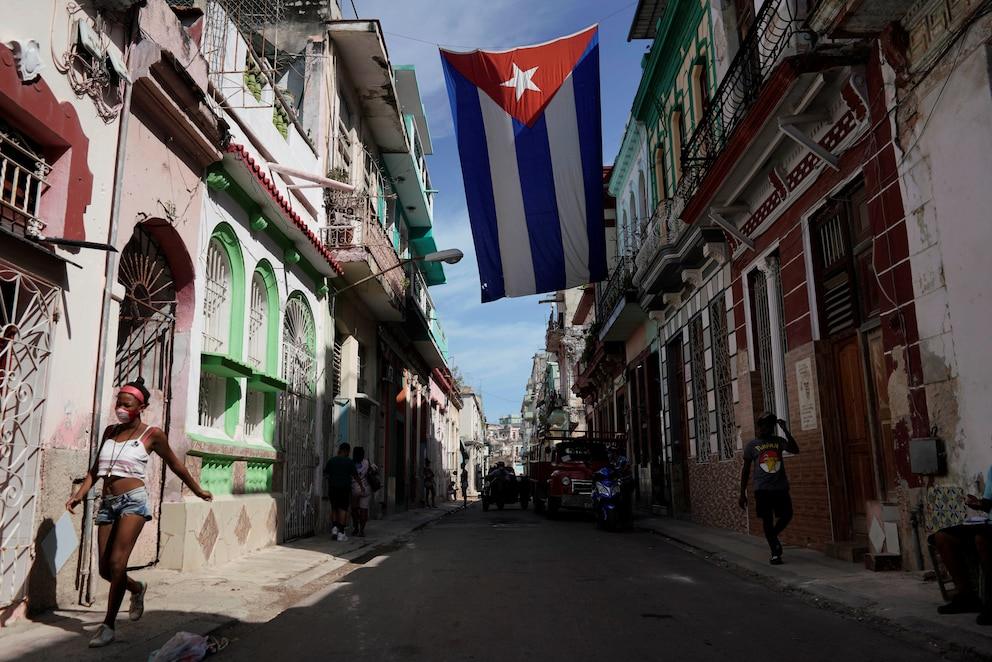
The Cuban peso hit a historic low on Wednesday against the US dollar in the informal market, with a price of up to 500 pesos per unit, in the midst of an economic and energy crisis that is deepening after new restrictions linked to the supply of oil to the island.
The currency reached that value through informal channels, according to the independent site El Toque, which publishes regular updates on the price.The figure marked a sharp jump compared to the nearly 400 pesos per dollar recorded last summer.
The informal exchange rate, negotiated in WhatsApp groups and through personal networks between residents receiving cash from the United States or Europe, is used much more frequently than the official exchange rate.Despite the regime’s attempts to maintain control over the economy, specialists have used this reference for years as an indicator of the real state of economic activity on the island.
The deterioration in the value of the peso accompanies a crisis that has deepened over the last five years in a context marked by US sanctions and internal structural problems.In parallel, the Cuban economy became increasingly dollarized, with more goods and services priced in foreign currency.
“Obviously, it’s not good news,” said Cuban economist Ricardo Torres of American University in Washington.“Many items are already sold directly in dollars, although most Cubans do not have a stable income in dollars,” he added.
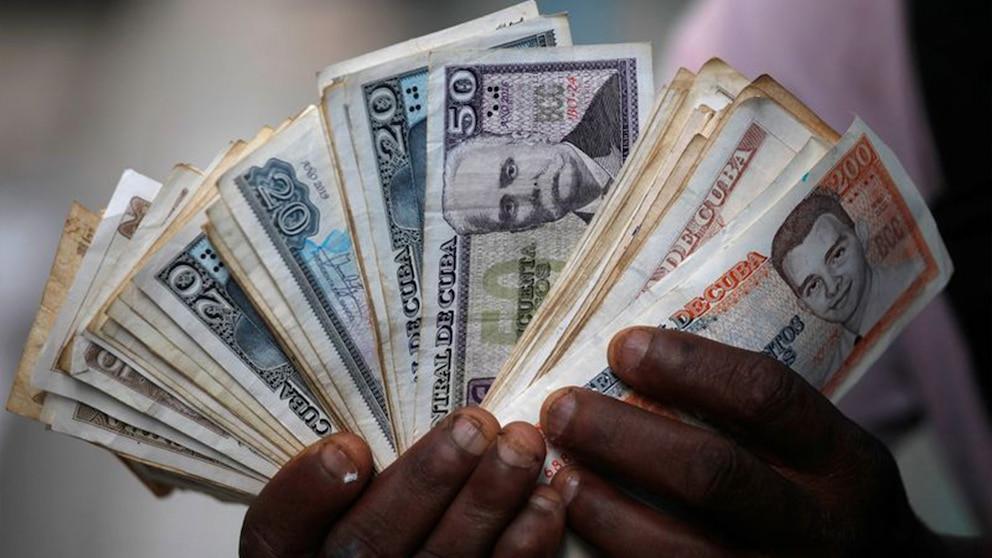
The fall of the currency represents a blow to residents, who face a sharp loss of purchasing power.The average state salary is around 7,000 Cuban pesos, now equivalent to about 14 dollars in the informal market.In that context, a box of eggs costs about 3,000 Cuban pesos.
The official exchange system maintains three different rates that many residents consider difficult to understand.These references range from 24 pesos per dollar for certain commercial transactions to a rate of 455 pesos per dollar applied since December, in an attempt to compete with the informal market.However, most everyday operations are performed with the parallel value.
The peso recorded a sharper depreciation following the January 3 US military operation in Venezuela that overthrew dictator Nicolás Maduro.After that event, United States President Donald Trump announced that he would not send more Venezuelan oil to Cuba, leaving the island without its main energy ally.That day, the Cuban currency was close to 438 pesos per dollar.
In late January, Trump warned of imposing tariffs on any country that supplied fuel to Cuba.The measure led Mexico to cut off oil shipments to the island, although the country continued sending other types of aid.
After these events, the economic scenario deteriorated rapidly.Last week, the Cuban regime announced that it would only sell limited quantities of gasoline in dollars and other currencies.The authorities also reported that the country no longer had enough oil to refuel planes, a situation that caused flight cancellations in different parts of the world.
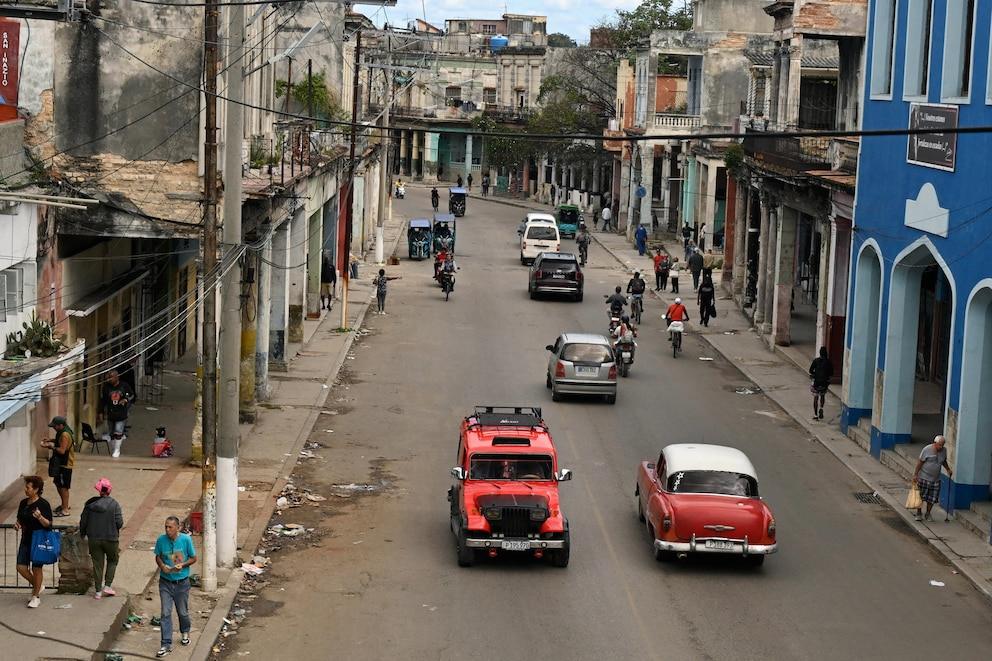
The impact reached tourism, considered the main economic engine of the country, which was affected by the reduction in air connections.The fuel shortage also drastically reduced public transportation in Havana.
Blackouts, already part of daily life, were prolonged and increased in frequency.Banks reduced their opening hours due to lack of resources.Various cultural events were canceled and many classes moved to virtual format.
In this context, the fall of the peso in the informal market reflects the deterioration of the economy and the additional pressure on the income of the population, which largely depends on the value of the dollar to access basic products and services.
(With information from AP)

