


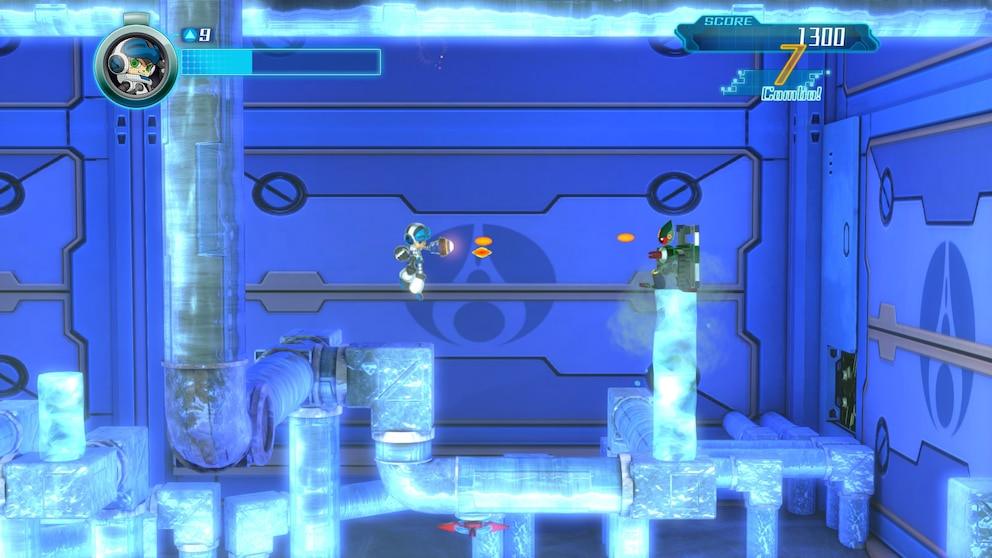
The Japanese studio Comcept, responsible for the failed Mighty No.9 and founded by former Mega Man producer Keiji Inafune, has closed its doors permanently. This news marks the closure of a company characterized by high expectations, controversial financing campaigns and a mixed legacy in the video game industry.
Comcept, which aspired to revolutionize independent video game development after the departure of Inafune from Capcom in 2010, has finally been dissolved after years of criticism of its management and unfulfilled promises to those who supported its projects through crowdfunding.
Keiji Inafune, a key figure in the creation and development of the Mega Man series for more than two decades, decided to leave Capcom in 2010 and found Comcept with the goal of gaining greater creative freedom.The renowned developer’s move towards independence was met with expectation, especially when in 2013 it launched the Kickstarter campaign for Mighty No.9.This new project, considered at the time as the spiritual successor to Mega Man, managed to raise more than four million dollars, becoming one of the most successful campaigns in the field of collective financing of video games.
However, the crowdfunding model soon showed its first weaknesses.The expectations generated among followers contrasted with the technical and narrative difficulties that the studio faced during the development of the game.Mighty No.9 offered as one of its main attractions the promise of versions for various platforms, including portable consoles such as the Nintendo 3DS, which encouraged thousands of fans to support the project while waiting to receive their physical copy in the future.Despite these commitments and the considerable financing achieved, many of these promises were never realized, causing growing dissatisfaction among the study’s followers.
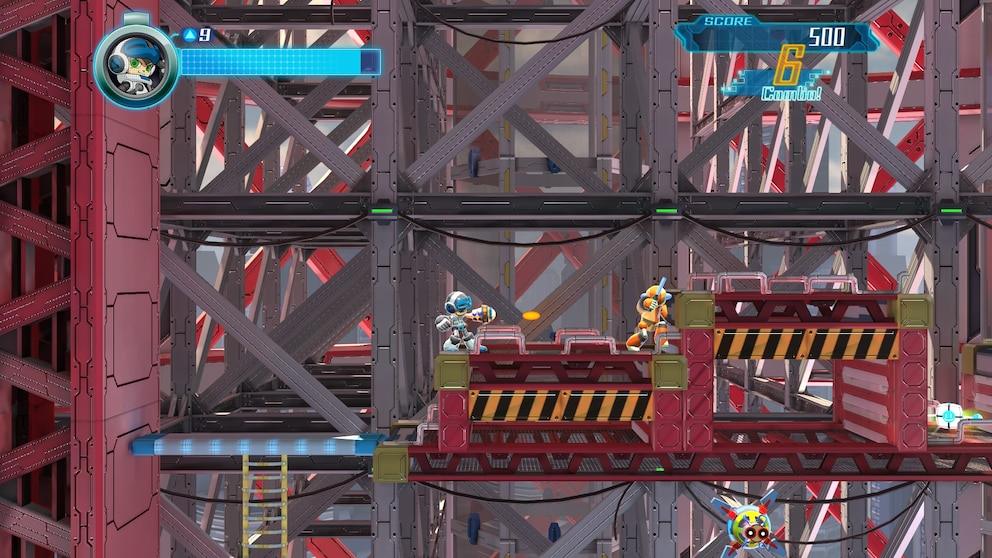
The release of Mighty No.9 in 2016 represented a negative turning point for Comcept’s reputation.Players highlighted problems in gameplay, narrative and technical aspects, in addition to a limited content offering.Criticism focused on the difference between the expectations generated during the fundraising campaign and the final product.Faced with numerous complaints, the company publicly admitted that it would not be able to ship some rewards, such as the expected versions for Nintendo 3DS.
In addition to Mighty No.9, Comcept sought to repeat the crowdfunding scheme with RedAsh: The Indelible Legend, but this new attempt also received criticism from the community, which considered the request for additional funds premature before having met the expectations of the previous project.
Trying to recover its image, Comcept later collaborated with Level 5 to develop ReCore in 2016. Although this title received more moderate criticism, the studio was unable to rebuild its relationship with the community.These experiences left a lasting mark on trust towards projects funded through Kickstarter, affecting not only Comcept, but other independent developers, who had to face greater demands in terms of transparency and compliance after these events.
Despite Comcept’s failures, the figure of Keiji Inafune remains relevant in the industry.After leaving the company, Inafune became involved in various projects, such as the development of exclusive content for Xbox One with ReCore, although none of these reached the same level of impact as his work with Mega Man. The closure of Comcept represents a significant signal for generations of gamers who trusted the veterans of the action and platform genre.
Meanwhile, Capcom, the company that gave rise to Mega Man, announced a new title, Mega Man: Dual Override, scheduled for 2027 on multiple platforms. This news suggests a possible revival of the iconic character and his universe, in contrast to the closure of the company founded by its main driving force.The coexistence between the continuity of the original saga and the end of Inafune’s independent career illustrates the risks and challenges inherent to the video game industry, especially in an era marked by communities of demanding fans and high expectations for those who direct the most beloved franchises.

