


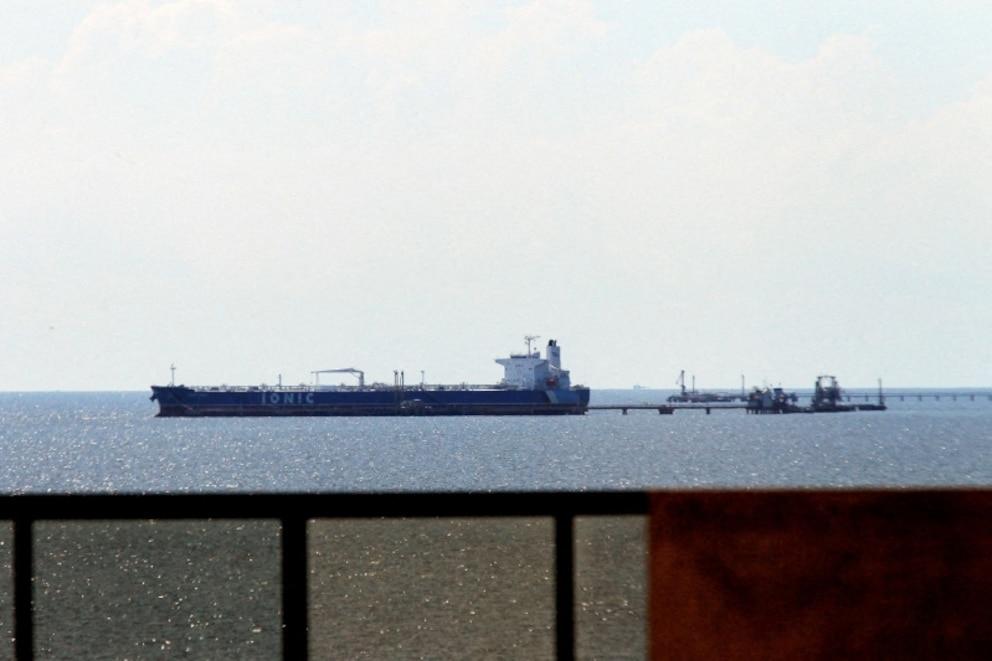
The oil company Chevron deployed its largest fleet of ships in almost a year to transport Venezuelan crude oil to US refineries, in a scenario marked by Washington’s control over Venezuela’s energy sector after the capture of drug dictator Nicolás Maduro.
The operation comes at a time when several companies are seeking licenses to do business with the South American country under new rules established by the Trump administration.
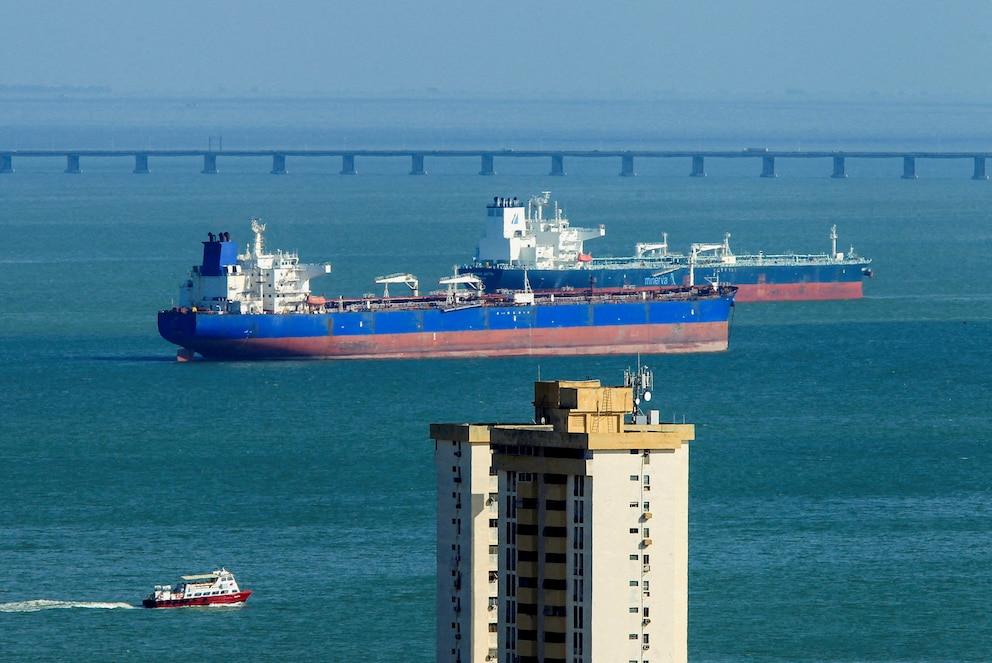
According to data published by Bloomberg, Chevron sent 15 ships this month to transport at least 200,000 barrels a day of Venezuelan crude oil, a volume that represents the largest movement since March and far exceeds the nine ships shipped the previous month.
This expansion coincides with the disappearance of the so-called “dark fleet”, which operated outside formal controls and was forced to abandon the market after the United States applied drastic measures against the illicit oil trade after the overthrow of Maduro.
The American company, which operates in Venezuela under a special license that exempts it from general sanctions imposed on the local oil industry, has increased exports as it takes on greater volumes from the Petroboscan project, a joint venture with the state-owned Petroleos de Venezuela (PDVSA).
According to Bloomberg, shipments of Boscan crude represent about half of the total shipped by Chevron, with all production going to U.S. refiners such as Valero Energy and Phillips 66.
The increase in shipments also responds to Washington’s intention to exercise direct and prolonged control over Venezuelan oil sales. To this end, the United States government has joined large marketing companies such as Trafigura and Vitol, with the aim of channeling up to 50 million barrels of crude oil in operations supervised by the US Treasury. Chevron assured Bloomberg that it fully complies with current sanctions and regulations.
In parallel, Reuters reported that Chevron expects to receive an extension of its license to operate in Venezuela in the coming days, which would allow it to increase both production and exports of crude oil.Industry sources consulted by the aforementioned media indicated that the Trump administration is evaluating granting additional permits to other companies, including Marathon Petroleum, Valero Energy, Mercuria and Glencore, which have also expressed interest in accessing Venezuelan oil under the new regulatory framework.
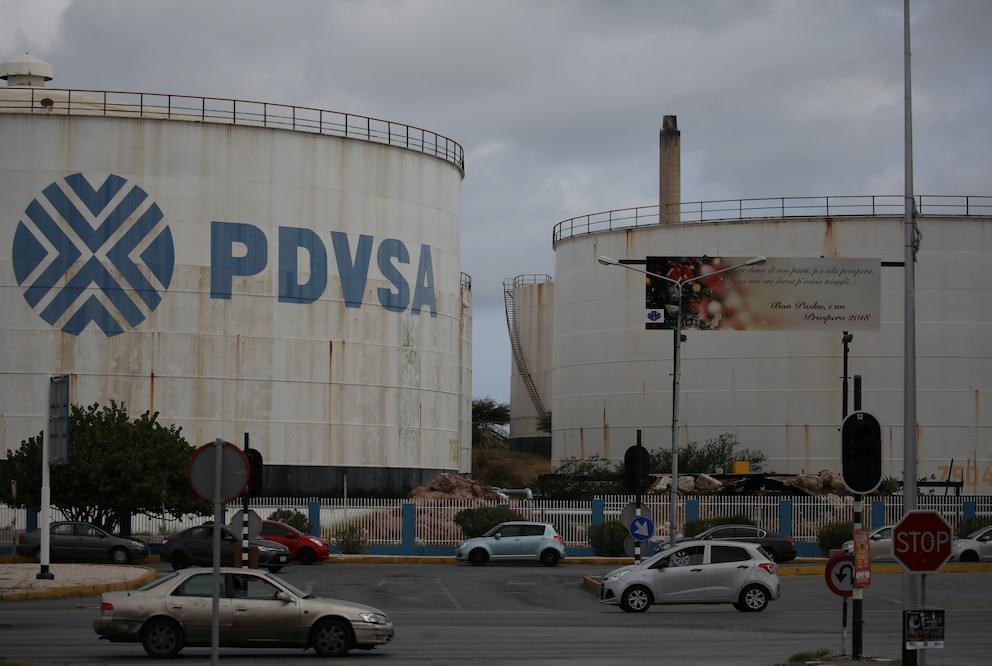
Chevron is currently the only US oil company with active production in Venezuela, with a capacity of approximately 240,000 barrels per day in association with PDVSA.Since last July, the company has exported crude to the United States under a restricted permit, after Washington tightened the license conditions as part of its strategy to pressure Maduro’s departure.
Between late 2022 and early 2025, the license had been broader, allowing Chevron to expand production, repair facilities and increase shipments, but the arrival of Delcy Rodríguez’s new regime led to an adjustment in the rules.
According to Reuters, the White House has already completed the first sales of Venezuelan crude oil as part of a $2 billion agreement between Caracas and Washington, and more operations are expected to take place in the coming weeks.
Chevron, Vitol and Trafigura are currently competing for deals to export Venezuelan oil under the supervision of the United States, which has declared its intention to maintain control over those sales indefinitely.
The%20renewed%20inter%C3%A9s%20by%20the%20crude%20Venezuelan%20surge%20after%20the%20exit%20of%20Maduro%20and%20laasunci%C3%B3n%20of%20Delcy%20Rodr%C3%ADguez.%20Chevron%20%20shares%20rose%20near%20%20%20%20since%20%20the%20%20change%20in%C3%ADtic%20occurred.
President Donald Trump, during a meeting with industry executives at the White House, urged investing up to $100 billion to revitalize the country’s oil infrastructure and increase production.
The commitment of Chevron and other companies to Venezuela is subject to the evolution of US policy and the stability of the new post-Maduro context, as well as the ability of the new authorities to guarantee a safe and transparent operating environment.For now, the deployment of the Chevron fleet and the volume of crude oil mobilized mark a substantial change in the global energy map and in the economic relations between Caracas and Washington.

