


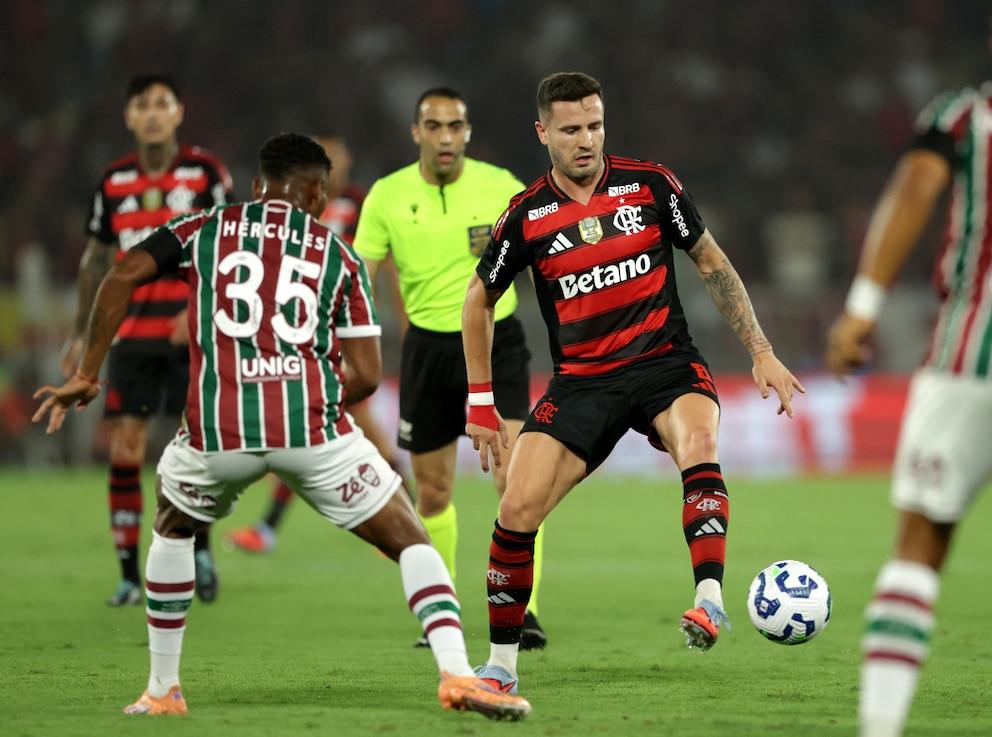
The Brazilian Football Confederation (CBF) announced an ambitious program to professionalize refereeing for the period 2026-2027, which not only profoundly transforms the relationship with its referees, but also positions that country at the forefront of South American refereeing, in direct harmony with the standards promoted by FIFA towards the 2026 World Cup in the United States, Mexico and Canada.
The plan includes the implementation of the third generation VAR system, the same one that will be used by FIFA in the next World Cup, and establishes a new model based on monthly salaries, performance bonuses, permanent technical evaluations and a merit system that contemplates promotions and demotions.
The CBF will allocate approximately 195 million reais – about 38 million dollars – to this project, an unprecedented figure for regional arbitration.The investment aims to leave behind a semi-professional scheme to move towards structured, evaluable and fully integrated refereeing into the professional football ecosystem.
The institutional message is clear: the referee stops being an occasional actor and becomes a strategic resource of the sporting spectacle.
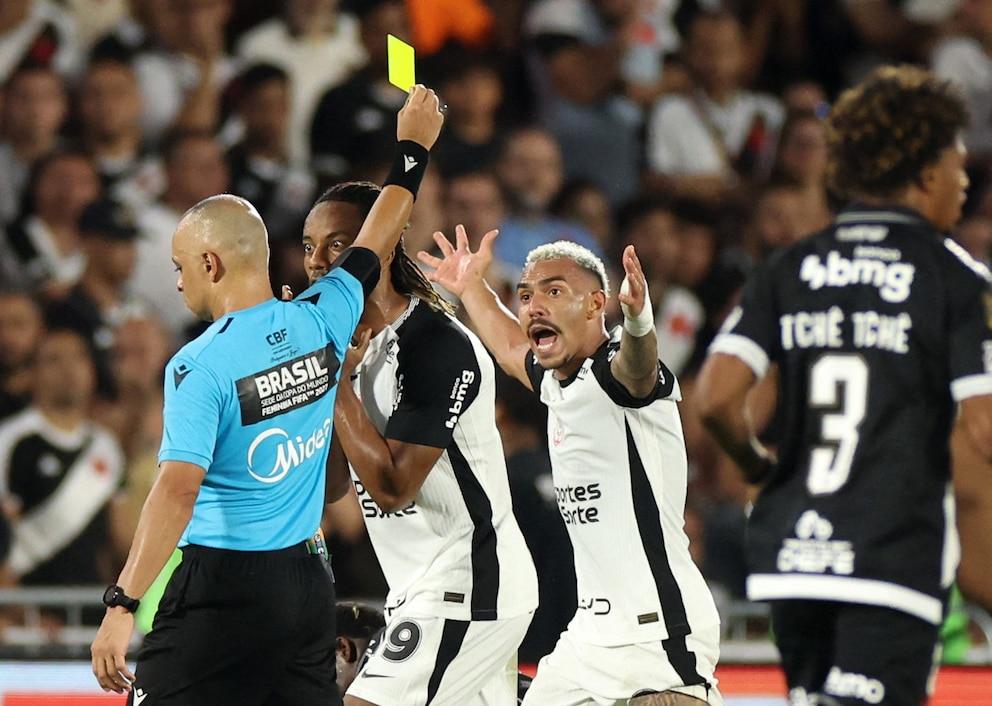
One of the pillars of the program will be the creation of a dynamic performance ranking, updated after each day, which will reflect the actual performance of the referees in competition.
As reported by the CBF, at the end of each season at least two referees per function – central judges, assistants and VAR referees – will be relegated from the professional category based on their qualifications, while outstanding referees from the lower divisions will be promoted.
This scheme introduces into refereeing a common concept in professional football: permanent internal competition, based on performance and not career-related.
The evaluations will be carried out by a specialized technical commission and observers hired by the CBF, who will analyze variables considered critical by FIFA and CONMEBOL:
• Game control and disciplinary management
• Application and interpretation of the Rules of the Game
• Physical performance
• Clarity in communication
• Adequate and timely use of VAR
Each match will generate an individual performance report, with detailed analysis of the most sensitive plays.
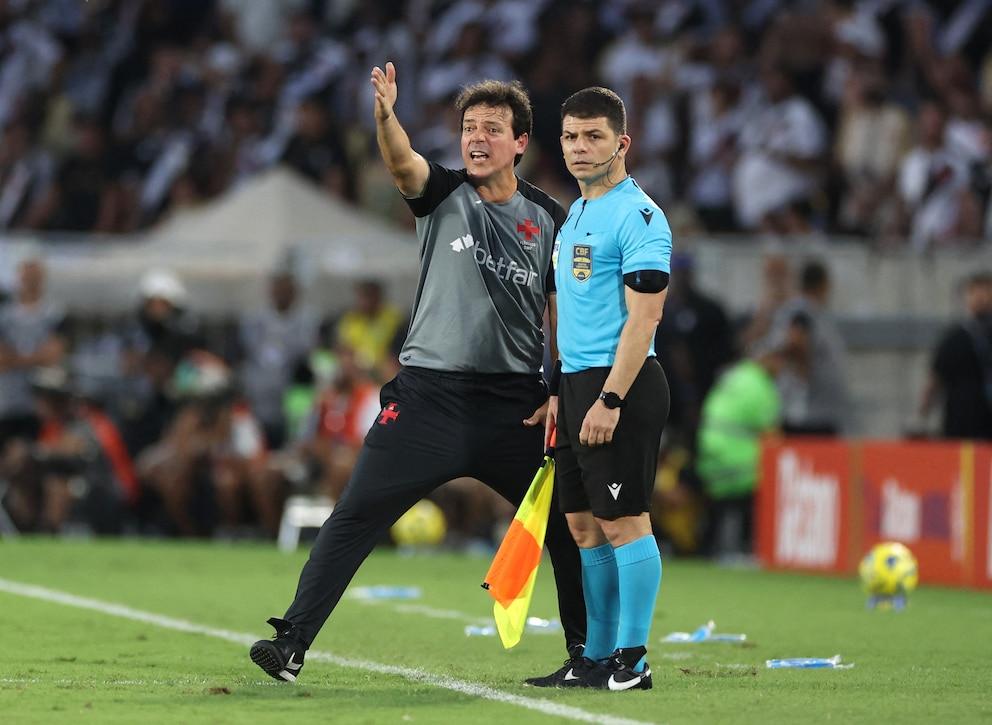
In its initial phase, the program will cover 72 professional referees, distributed as follows:
• 20 central referees, 11 of them with a FIFA badge
• 40 assistant referees, including 20 FIFA
• 12 VAR referees, all FIFA
The judges will receive fixed monthly salaries, variable fees and performance bonuses, and must dedicate themselves mainly to the arbitration activity, although without the obligation of total exclusivity.
The new model includes a weekly training routine, with technological monitoring, medical and health controls, and four annual evaluations that will include physical tests and match simulations.
In addition, the CBF will implement a monthly training plan, with theoretical classes, evaluations, video analysis and practical sessions on the playing field, reinforcing a logic of permanent training and immediate correction.
The referee relegation and promotion system is already applied in federations such as Germany, England, Spain and Mexico, but its adoption by Brazil marks a turning point for South America.
In the field of CONMEBOL, where different referee management models historically coexist, the CBF’s decision raises the bar and raises an inevitable question: will other federations follow the same path?

