



Bitcoin went through one of its most difficult days, registering its biggest drop in the last nine months.On Thursday, January 30, 2026, the price of the world’s main cryptocurrency fell to the range of $81,600.
A day later, the price remained close to $83,000, although volatility and a feeling of uncertainty persist in the market.
Bitcoin’s sharp correction was accompanied by a wave of widespread selling in the cryptocurrency market.
Sec%C3%BAn%20data%20from%20analysts,%20near%20from%201,680%20million%20from%20d%C3%B3lars%20in%20activityosdigital%20were%20liquidated%20during%20the%20day,%20and%20approximately%20%2093%%20of%20esAssume%20corresponded%C3%B3%20to%20long%20positions.%20Is%20that is,%20investors%20who%20bet%20a%20a%20 rise%20in%20price%20and%20were%20forced%20to%20sell%20before%20the%20ca%C3%ADda%20abrupt.
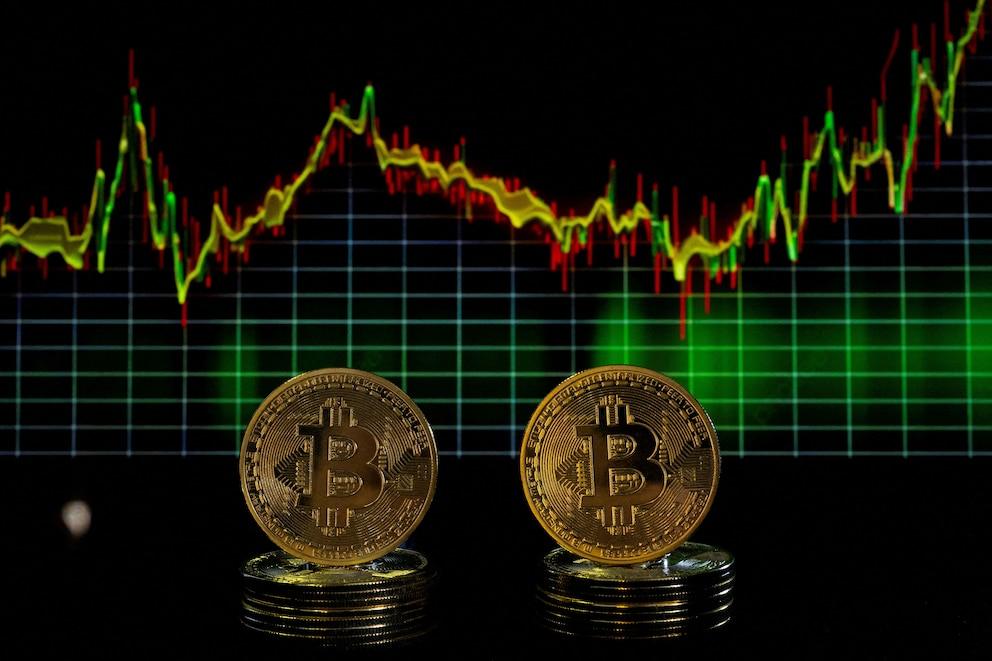
This massive liquidation process reflected a market overloaded with optimism that, by losing relevant technical references, was exposed to a rapid and deep adjustment.Furthermore, deleveraging in derivatives markets accelerated selling pressure, deepening the decline of Bitcoin and other alternative cryptocurrencies.
One of the most followed indicators to measure investor sentiment is Crypto Fear
Drastic falls in this index usually anticipate episodes of prolonged volatility and make sustained price recovery difficult without the presence of positive catalysts.

The recent fall of Bitcoin reopened the debate among traders and analysts about the nature of this decline: while some see it as a deep but punctual correction, others warn about the possibility of an extended bearish cycle.
From a technical perspective, the drop in value below the ‘safe’ barrier of $84,000 altered long-term charts.The 200-week moving average, located around $57,000, has re-emerged as a possible structural reference for Bitcoin’s value if the negative trend persists.
In parallel, the evolution of traditional markets had an additional impact on cryptocurrencies.The technical deterioration on Wall Street and widespread risk aversion in financial markets resulted in a greater correlation between Bitcoin and traditional assets, such as gold and stocks, especially during times of macroeconomic and geopolitical tension.

Added to this are political factors, such as the attention on President Donald Trump’s possible nomination of Kevin Warsh to the Federal Reserve, which adds an additional dose of uncertainty to the outlook.
Despite the bearish scenario, some analysts consider that Bitcoin could be entering an undervaluation zone, which opens the door to eventual technical rebounds if more favorable conditions appear.However, the characteristic volatility of the crypto market and the lack of clear signs of recovery invite caution.
The immediate future of Bitcoin will depend both on the evolution of international markets and on the asset’s ability to find new stable values and regain the trust of investors.

