


Kit Harington, known worldwide for his role as Jon Snow in Game of Thrones, reflected in an interview with The Times about his struggle with addictions, the weight of fame and the reconstruction of his life after achieving success.
In a new professional stage as the protagonist of “Industry”, the actor reviewed his emotional ups and downs, the recent death of his mother and the arrival of fatherhood.
Harington recalled that, during the first years of public exposure, we tended to withdraw even in social contexts.“I was the boy at the party, sitting in the corner with a sad face,” he told The Times, and admitted that this attitude aroused concern among those around him, something that he even used as a social strategy.
Together with Richard Madden, the actor evoked the beginnings of Game of Thrones, when the cast did not imagine the scope that the series would have.According to him, the project was experienced as an intense but carefree experience, with the idea that it would be something brief.“We thought, well, this will last a season and then we’ll go do other things,” he recalled.
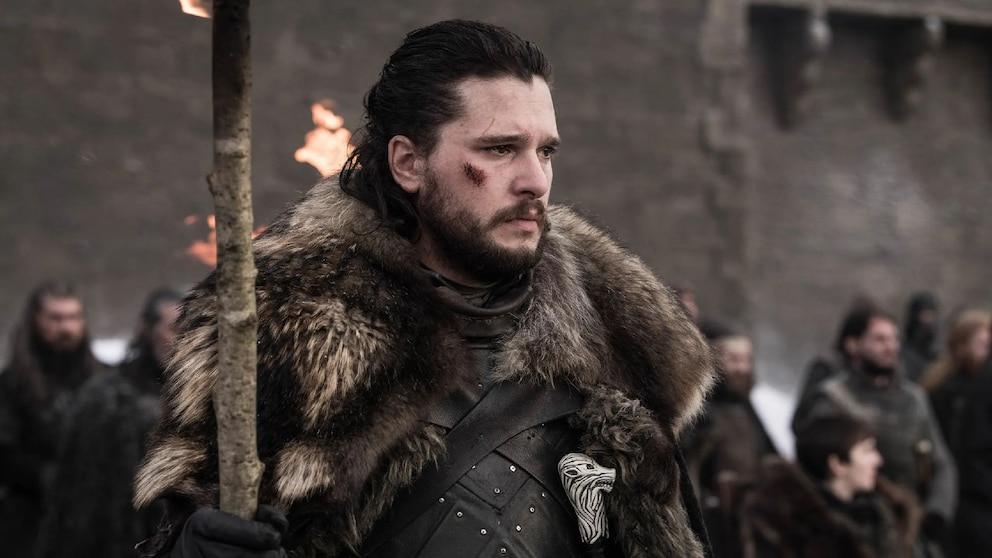
The impact of success was quick and evident.He explained that different online platforms functioned as an unexpected thermometer of fame: “When we started, no one knew who we were. And as we became better known, the online reactions were more extreme,” he said, describing how public recognition transformed his daily life.
The impact of fame had profound personal consequences for Harington, who decided to confront his addiction problems.”Until I was 27, everything in life was going at full speed. And then, at 28, it didn’t feel that way anymore and I went to rehab for the first time,” he told The Times.
He acknowledged that the process was not easy: initially he refused to continue the treatment despite knowing that he had a problem.Between the ages of 28 and 32, he slowly recognized that his life could not continue the same.”At some point, you have to mature. It took me a long time,” he highlighted, reflecting the difficulty of accepting help and transforming.

The end of Game of Thrones coincided with one of its most critical moments: “I still haven’t seen the last season,” he admitted.”I have very strange feelings because I wasn’t feeling well. I was in rehab when the last episode aired, so I missed it, and then I came out of there with other worries,” he added.
Regarding his recovery, he explained to The Times that at first he was reluctant to lead a sober life: “I didn’t want that. But once you get over it, you don’t think about it anymore. My life is better that way.”He also highlighted the cost of the treatment: every time he thought about abandoning it, he imagined burning a suitcase with that amount of money.
Harington explained that his children transformed his daily perspective, highlighting that they are open and kind children, and that parenthood came at the right time, making him feel capable of fulfilling that role well.
The family routine restored balance and calm: as Rose was working in Stratford on a play, he took care of the children during their recording days in Cardiff.
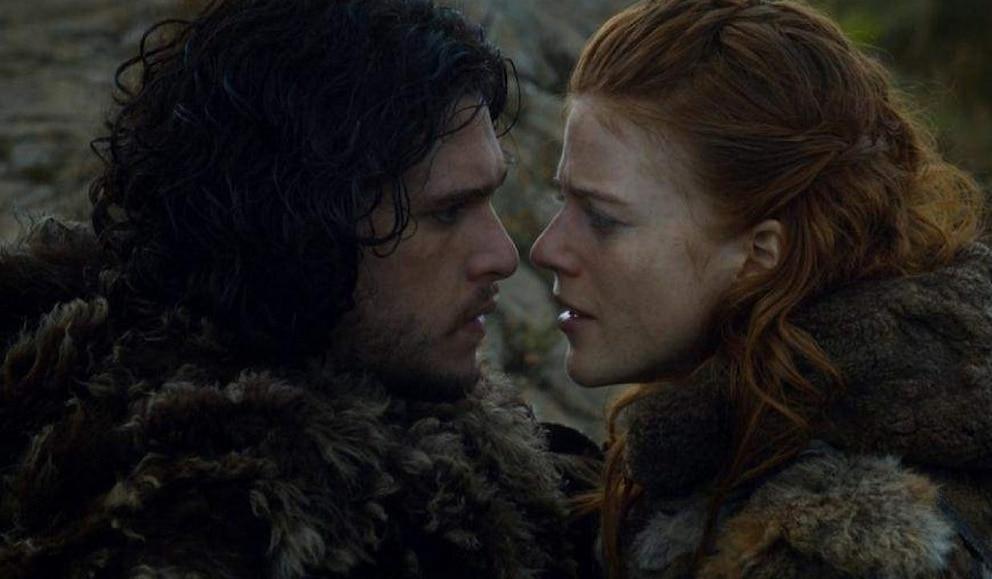
“When I came back from recording, where I’ve been doing who knows what, I walked in the door and the kids were there. And everything dark that I had had to deal with during the day had disappeared. It was strange and great. I came home and I was a father,” he explained, highlighting how fatherhood helped him put his life back together and find emotional stability.
Become the protagonist of the series Industry, Harington explores situations close to his own experiences through fiction.“The series completely captivated me from the first season,” he said in The Times.“I think it gives each actor the opportunity to step forward and do something interesting…And choose unexpected characters,” he described.
By taking on a role with deep personal problems, he identified similarities with his own experience: he explained that the character Henry combines a strong addiction to substances, unbridled behavior, abandonment, chaos and euphoria, and also struggles to prove his worth, which generates “a fairly toxic mix.”
Regarding the balance between real life and fiction, he noted that some extreme behaviors can be tempting: “There is a part of me that sometimes misses wild behavior. I just realized that it is not sustainable,” but playing it on screen gives him the opportunity to revisit those experiences in a controlled way.

