



Artificial intelligence stopped being an assistant for programmers and became the main author of the source code.This transformation redefines the role of the programmer and forces an unprecedented reinvention in the technology industry.
For decades, programming was characterized by mastery of syntax and long days in front of the keyboard. This scenario is disappearing with the emergence of tools such as Claude Code and Copilot, which allow the creation of complete modules from simple human descriptions.
Artificial intelligence went from being a simple complement to becoming a protagonist.What began as autocompletion evolved into systems that propose architectures, debug errors, and generate complete functions from a simple description of the goal.
Tools like Copilot or Claude Code became popular by allowing the programmer to delegate most of the writing to the model, limiting their intervention to review and final adjustment.
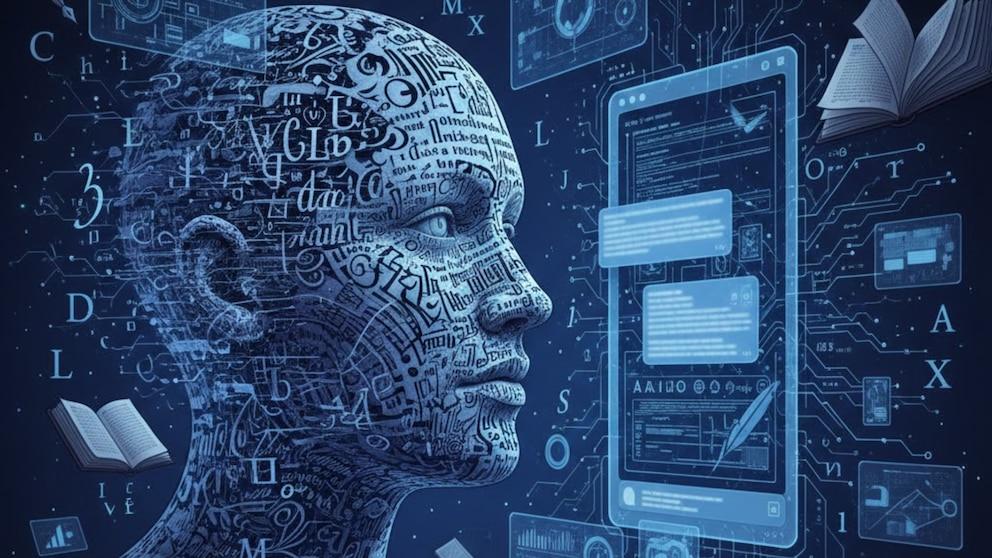
For a sector accustomed to precision and control, this leap was disruptive.Many developers found themselves faced with a change that came faster than expected.The work no longer consists of writing each line, but rather clearly formulating the intention and verifying that the proposed solution meets the required quality and security standards.
The phenomenon known as vibe coding synthesizes the new dynamic.The programmer no longer acts as a typist or executes each instruction directly.Its function is transferred to the description of the problem and the evaluation of the results generated by artificial intelligence.Syntax loses weight, while the intention and ability to guide the system become central.
Models such as Claude Code or the internal systems of large companies have normalized this approach.The professional asks the model to solve a task, observes the process, reviews the finished product, and decides if it is fit for purpose.What was unthinkable until recently is now the norm in advanced development teams.
Key figures in the sector have begun to outline the scope of this transformation.Ryan Dahl, creator of Node.js, said that the era of humans writing code is over.According to his perspective, programming does not disappear, but it is redefined.
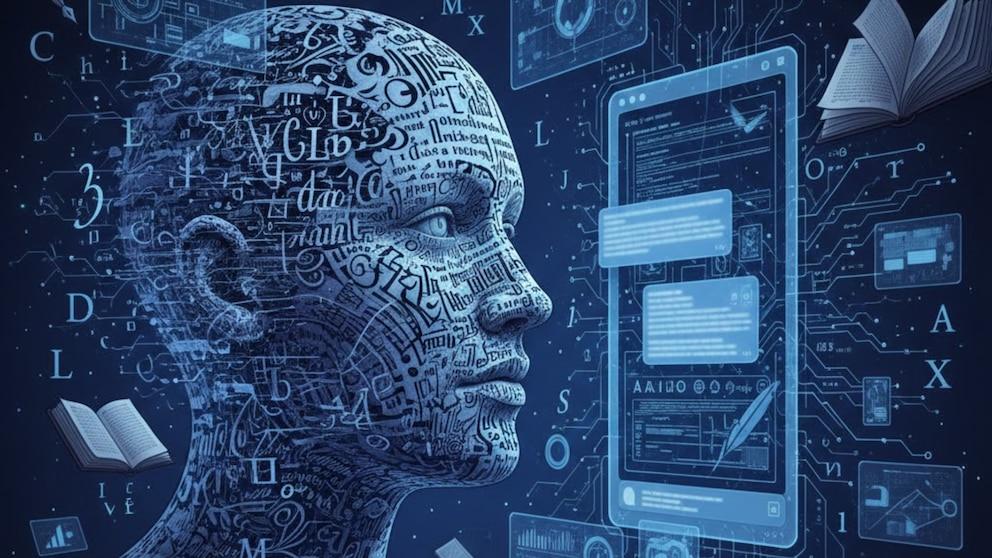
Professionals will spend less time writing syntax and much more time deciding what to build, with what tools, and under what criteria.
The task shifts from execution to decision making.The traditional engineer, who valued technical mastery over multiple languages, gave way to a more strategic profile, oriented to design, verification and quality control.
The parallel with the evolution of frameworks is direct.Just as these tools automated repetitive tasks, artificial intelligence now eliminates the next level of manual intervention.The programmer becomes the conductor of the orchestra: he must anticipate errors, evaluate the impact of technical decisions and ensure that the proposed solution is sustainable in the long term.
Professional prestige no longer depends on the number of languages known. It is now measured by the ability to detect subtle flaws, anticipate production problems, and understand the future implications of each choice.The focus shifts to supervision, auditing and continuous improvement.

In this scenario, the human role is redefined.Companies are looking for profiles capable of collaborating with artificial intelligence models, integrating them into workflows and detecting errors before they become critical problems.The key skill is no longer the speed of writing code, but the ability to ensure that the system works reliably even when no one is monitoring it.
The work is geared toward systems testing, observability, review, and developing robust criteria to decide when a solution is safe and efficient.New competencies emerge: guiding artificial intelligence, auditing its results and anticipating the risks derived from its intensive use.

