


The Winter Olympic Games witnessed an unprecedented event on their ice rink: the appearance of music generated by artificial intelligence (AI) in one of the official competitions.
Czech siblings Kateřina Mrázková and Daniel Mrázek, debutants in the ice dance discipline, chose a piece created with AI for their rhythm dance routine, challenging the conventions of figure skating and opening a new chapter in the relationship between technology and high-performance sport.
The ice dance competition at the Olympic Games is divided into two segments: rhythm dance, which requires choreography based on a specific theme (in this edition, “Music, dance styles and the spirit of the 90s”), and free dance, where creativity is free.
While other couples opted for classics of the decade as tributes to the Spice Girls or Lenny Kravitz, the Czechs surprised the public and the judges with a piece that, in part, emulated the style of Bon Jovi but had been generated entirely by artificial intelligence.
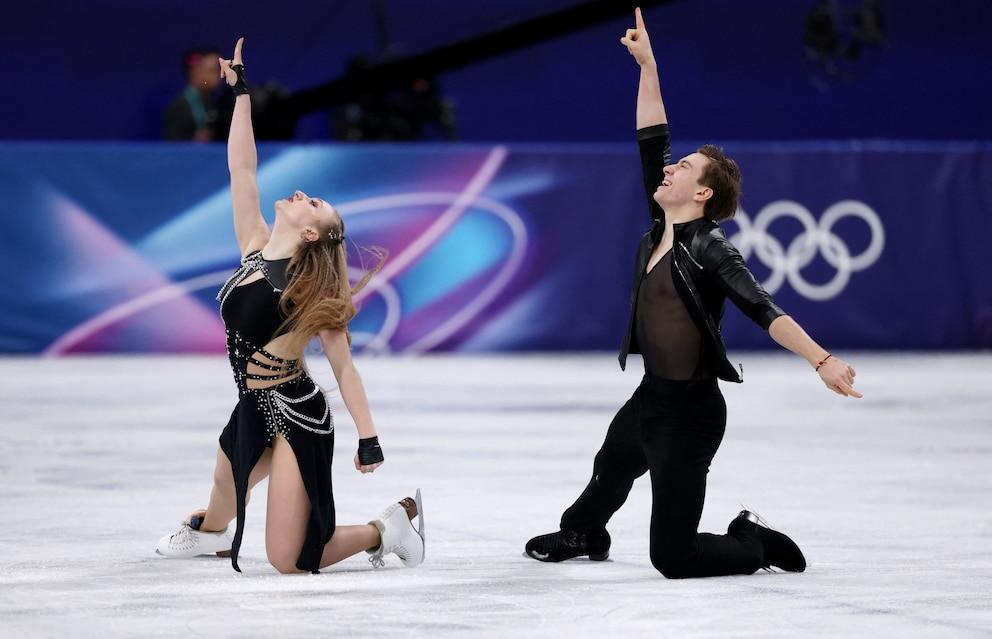
The NBC broadcast picked up the detail in real time: “This is generated by AI, this first part,” said one of the commentators while the brothers executed a risky lift on the ice.
The piece, titled “One Two by AI (of 90s style Bon Jovi),” was composed by a language model trained to imitate the music of that era.The choreography continued later with “Thunderstruck” by AC/DC, an authentic song, marking a contrast between music produced by humans and that born from algorithms.
This is not the Mrázková and Mrázek’s first encounter with the AI controversy.During the season, the duo was criticized for using a song inspired by the New Radicals, whose verses – generated by AI – turned out to be suspiciously similar to the original lyrics of the American group.
The reaction led the team to modify the music before the Games, replacing the disputed fragments with ones reminiscent of BonJovi’s style, although the similarities remain evident.
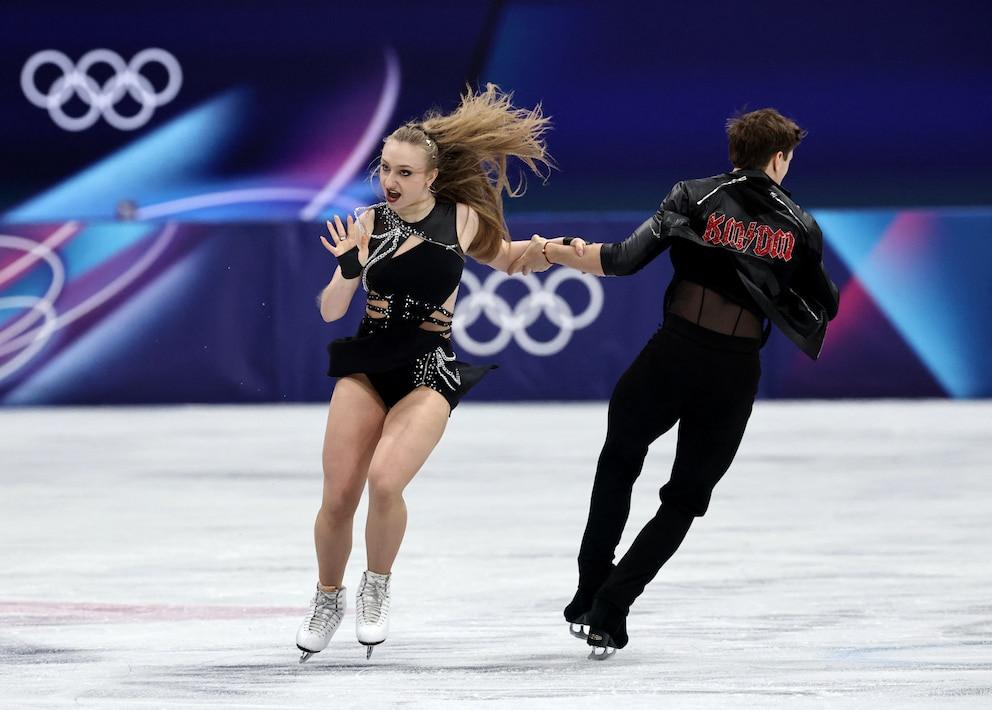
The inclusion of AI-generated music in the Olympic Games brings to the fore a number of questions about creativity, originality and copyright in sport and the music industry.The AI systems used to create these pieces—language models that analyze huge libraries of songs—operate by replicating statistical patterns.
When asked for a “Bon Jovi-style” song, these algorithms tend to produce melodies and lyrics that border on or even reproduce recognizable elements of copyrighted works.
The International Skating Union does not prohibit the use of music generated by AI, as long as the piece does not violate the legal rights of third parties.However, the practice has already generated controversy both for possible copyright infringement and for the impact on the artistic appreciation of the routines.
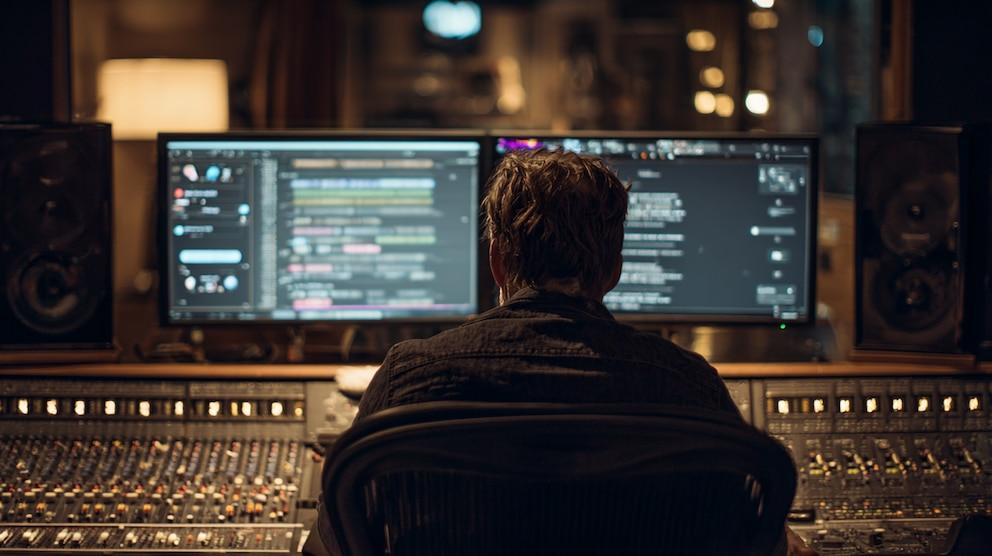
The use of AI in music creation also raises questions about the future of creative work and authenticity in competitions that have traditionally rewarded originality.
The rise of AI-generated music is not limited to the sports field.Cases such as that of Xania Monet, an artist who signed a million-dollar contract after using the Suno platform to set poetry to music, reveal a growing interest in the music industry in this type of technology.However, public reception remains ambivalent, especially when AI creations are presented in high-exposure contexts.
For athletes, like the Czech brothers, technological innovation represents another tool to stand out on the Olympic stage, although it can divert attention from the human effort and creativity behind their achievements.
The controversy surrounding music generated by AI at the Winter Olympic Games signals the beginning of a debate that promises to intensify as artificial intelligence consolidates itself as a protagonist in global culture and sports.

