


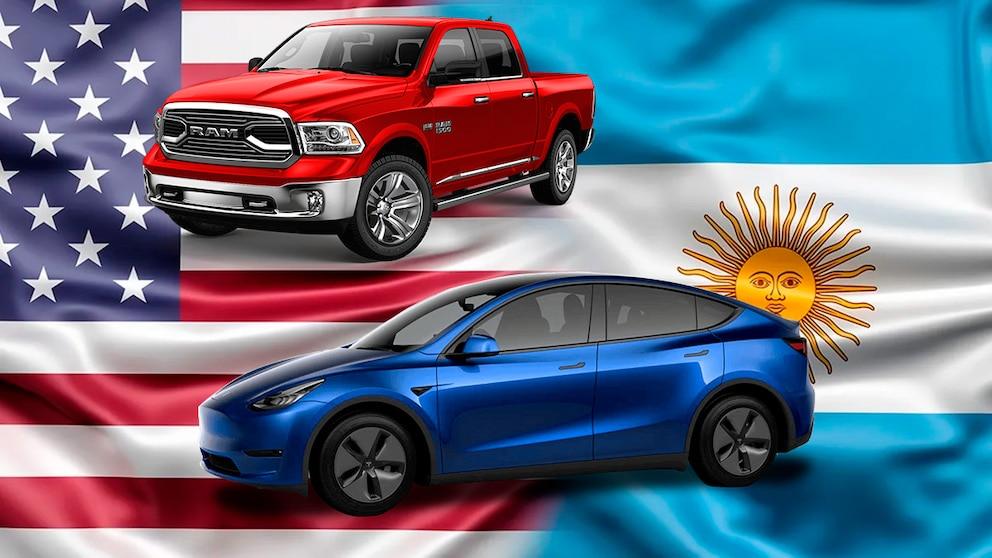
Although it will have a significant impact in other sectors, the signing of the trade agreement between Argentina and the United States for the Argentine automotive industry will be nothing more than a complement that some brands will be able to take limited advantage of, especially those that have factories in Argentina or are official importers.
The%20reason%C3%B3n%20lies%20in%20that%20this%20agreement%20between%20both%20for%C3%ADses%20not%20allow%C3%A1%20theimportation%C3%B3n%20free%20of%20cars%20from%20Estados%20United%20but%20cupified%20to%2010,000units%20annual.%20This%20represents%20a%201.7%%20of%20market%20and%20only%20one%20fifth%20partof%20other%20quota%20that%20the%20Government%20enable%C3%B3%20in%202025%20by%20the%20period%20of%20five%20a%C3%B1os%20so that%20cars%20h%C3%ADbrid%20and%20the%C3%A9electric%20can%20entrar%20al%20mercado%20argentino%20without%20pay%20elarance%20de%20la%20Nomenclature%20Com%C3%BAn%20Mercosur%20(NMC)%20del%2035%%20for%20veh%C3%ADcules%20of extrazone.
The%20condition%C3%B3n%20be%C3%A1%20the%20same,%20tariff%200%%20for%20those%2010,000%20veh%C3%ADculos.%20But%20theimpact%20be%C3%A1%20minor,%20not%20s%C3%B3lo%20by%20being%20de%20a%20pa%C3%ADs,%20that%20because%20large%20that%20be%20ess%C3%B3lo%20one,%20but%20because%20has%20some%20restrictions%20in%20how much%20to%20type%20of%20autom%C3%B3vilque%20will%C3%A1%20access%20to%20benefit.
The tariff positions (technical description of the products to be imported) that fall into this quota with the United States are those that contemplate cars with engines between 1,500 and 3,000 cm3 and more than 3,000 cm3, cars with diesel engines of more than 2,500 cm3, and hybrid and electric cars.But it is also specified, in an annex dedicated to the import of automobiles, that these tariff positions for diesel vehicles must have dimensions greater than 5.5 meters long and 2 meters wide without mirrors.
The first reservation that must be made is that in order for this trade agreement with the United States to be applied, the approval of the agreement in the National Congress is still pending.Once this procedure has been successfully completed, the effective mode of operation can be established.
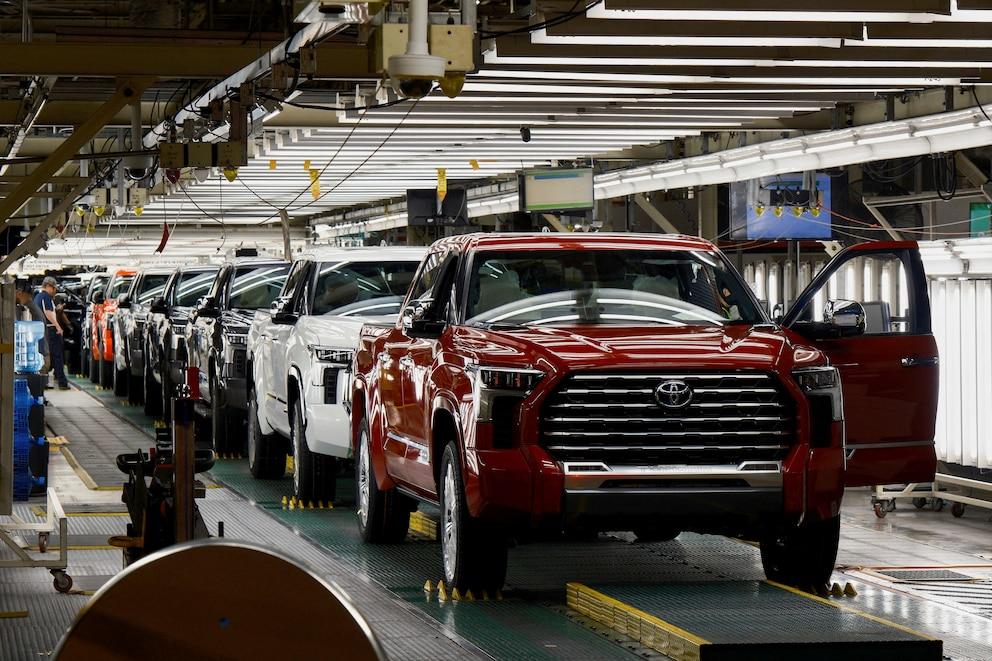
Due to this dimension specification, medium-sized pick-ups equivalent to or equal to the Argentine or Brazilian ones with 2.8 and 3.0 liter engines, such as the ToyotaHilux, Chevrolet S10, Ford Ranger and Volkswagen Amarok, cannot be imported, even if the displacement is enabled.
This benefit applies, naturally, to the American brands Ford, GeneralMotors and Stellantis (Jeep/RAM), but also to Tesla or Rivian, which produce electric vehicles.In the case of the latter, as there is no official importer in Argentina, those who want to obtain the benefit must have technical certifications provided by the manufacturer.
However, the import of automobiles from brands produced in the United States is also permitted, even if they are not American brands.In this way, Honda, Toyota, Hyundai, Nissan, Volkswagen, BMW or Mercedes-Benz would be eligible to use part of that quota.
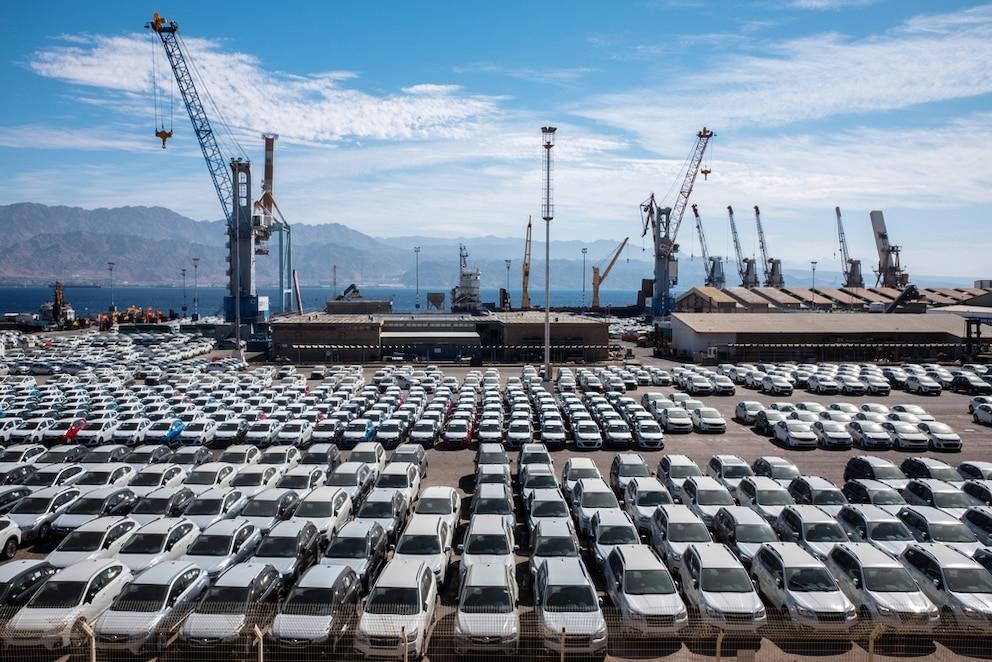
As with the quota enabled by the Government to import 50,000 hybrid and electric cars, there are two entities that bring together the brands that can use these programs or agreements to bring vehicles from extrazone countries.
On the one hand, there are the brands that represent the automotive companies grouped in the Association of Automotive Factories (Adefa) and, on the other, there are those of the official importers that come together in the Chamber of Official Automotive Importers and Distributors (CIDOA).
With%20the%20current%20%20of%20h%C3%ADbridos%20and%20the%C3%A9electric,%20the%20regulation%C3%B3n%20of%20the%20Secret%C3%ADof%20Industry%20and%20Commerce%20established%C3%B3%20that%20the%2050%%20of%20the%2050,000%20veh%C3%ADcules%20annualduty%C3%A1n%20be assigned%20to%20the%20partners%20of%20each%20entity,%20and%20that%20in%20case%20of%20that%20one%20of%20groups%20do not%20take%20their%2025,000%20cars,%20that%20remaining%20can%20be%20used%20by%20companies%20of%20other%20sector.%20Of%20fact,%20that%20occurred%C3%B3%20with%20the%20quota%202026,%20in%20the%20that%20lasf%C3%A1factorys%20took%2019.280%20units%20and%20left%2030.720%20for%20the%20importers.
However, in the quota of 10,000 cars that can be imported from the United States, there is no percentage for each; what is specified in the regulations is that the units will be nationalized in order of arrival at Argentine customs.The measure will surely generate controversy because the power or availability of volume of a larger brand could generate benefits that smaller importers would not have.
The regulations signed by both countries in the Motor Vehicles section establish “The quantities shall enter on a first-come, first-served basis”, which means that the quantities will be assigned in order of arrival.
“It is a fairly common practice in trade, in fact it is what is currently applied with Mexico or Colombia. There is an availability of vehicles and they are imported without an established volume,” sources in the sector assured when consulted by Infobae.

