


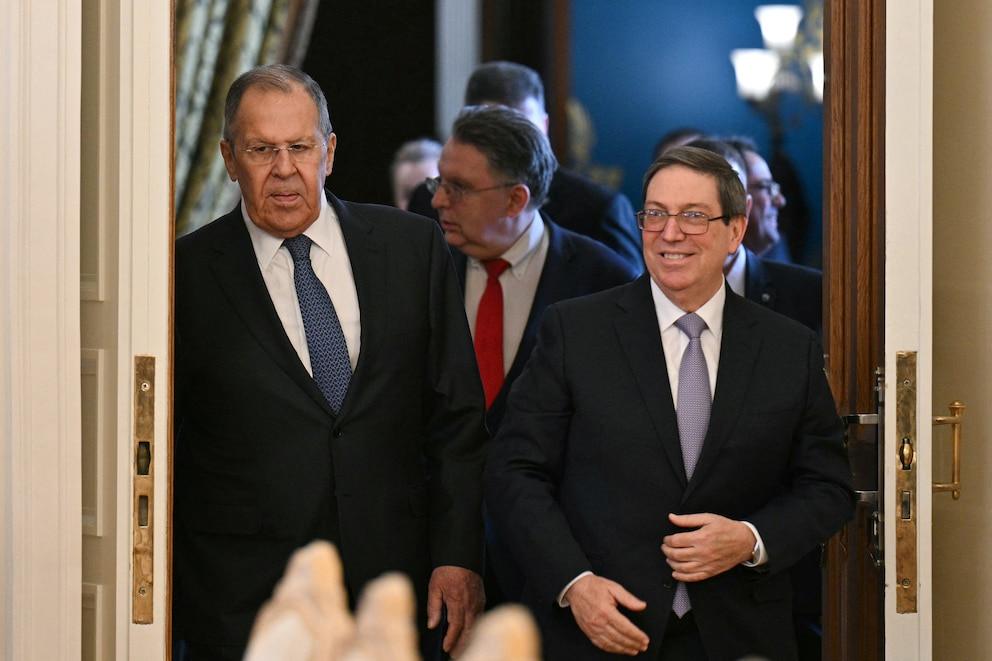
The Cuban dictatorship once again sought political support in Russia in the midst of the economic and energy crisis, and asked the United States to reopen a channel of dialogue and desist from any naval blockade initiative.
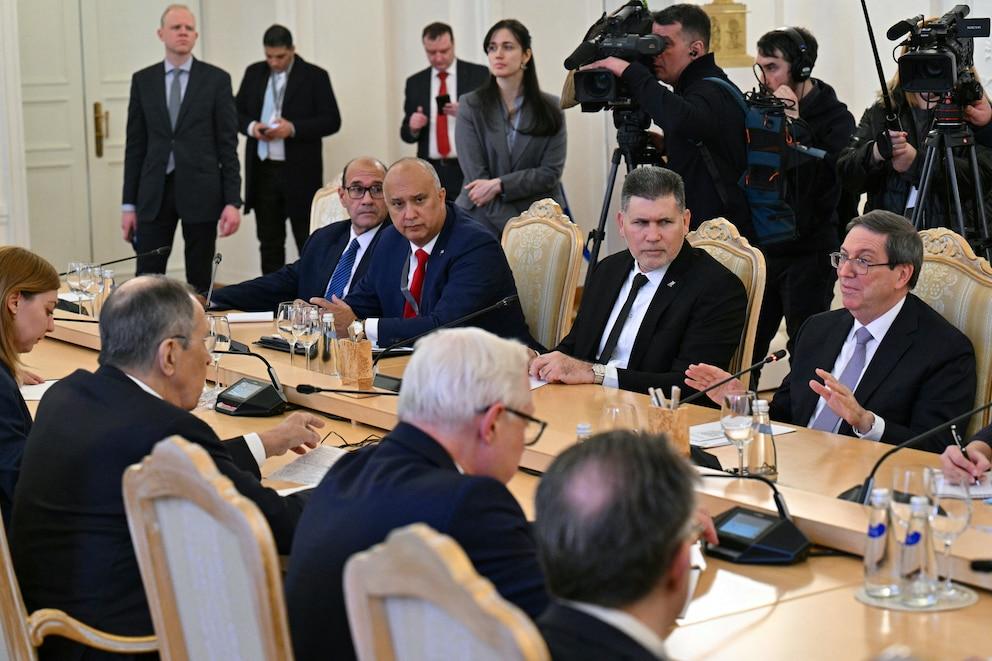
The message was formulated by the Cuban Foreign Minister, Bruno Rodríguez Parrilla, at the beginning of his meeting in Moscow with his Russian counterpart, Sergei Lavrov.
“We are ready for a respectful dialogue on equal terms with any country,” Rodríguez stated at the beginning of the meeting, in which he insisted that Havana will defend its “sovereignty and independence” despite pressure from Washington.
The Cuban minister stressed that the course of the regime will remain “unalterable” and blamed the White House for intensifying the economic difficulties facing the island.
Rodríguez criticized the US policy that, in his words, “threatens multilateralism” and harms both Cuba and other countries that maintain independent relations with their allies.
The chancellor also denounced that Washington’s decisions put the functioning of the United Nations and international balance at risk.
In parallel, Rodríguez praised the bilateral relationship with Russia, describing it as “historic, fraternal, special and strategic,” and assured that cooperation between both countries will continue “above any circumstance.”
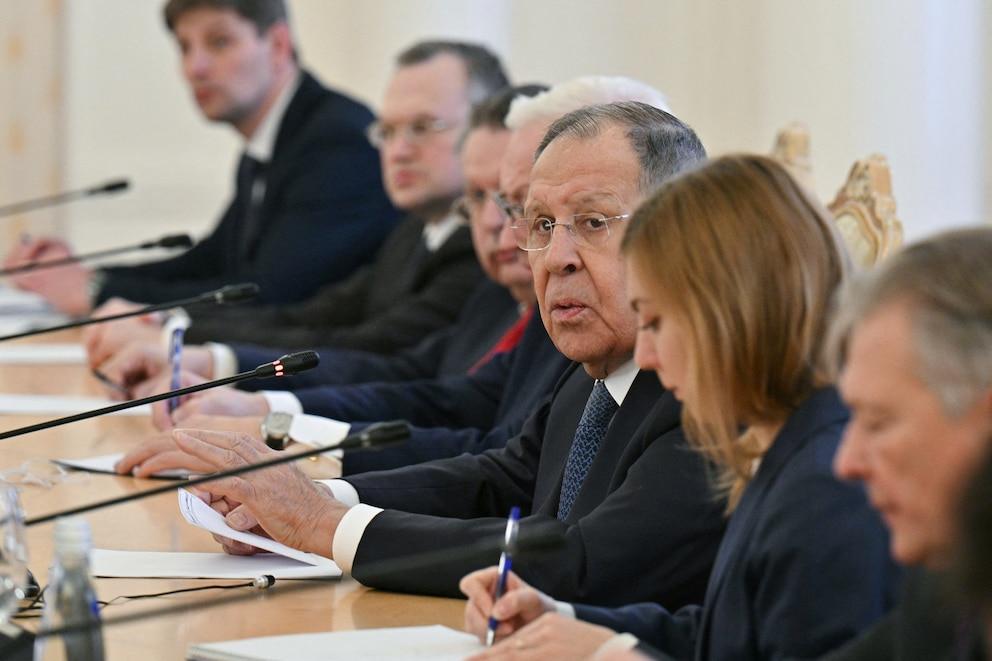
For his part, the Russian Foreign Minister, Sergei Lavrov, supported the Cuban claim and called on the United States to “show common sense” and desist from new siege measures.
Lavrov described as “absolutely unacceptable” the actions of the White House, which recently signed a special decree declaring Cuba a threat and tightening military surveillance over the island.The head of Russian diplomacy regretted that the US decree considers cooperation between Cuba and Russia as an aggravating factor, classifying Moscow as a “hostile and malicious state.”
Lavrov stressed that the majority of members of the international community reject the blockade of Cuba and reiterated Russia’s willingness to maintain and deepen its ties with Havana.According to the Russian diplomat, Moscow’s solidarity with the Castro regime is firm and will be maintained in the face of any adverse circumstance.
Bruno Rodríguez is scheduled to be received in the Kremlin by the Russian president, Vladimir Putin, in a meeting that will bring to the table the energy crisis that is hitting the island.
The Russian government announced that it maintains regular contacts with the Cuban dictatorship and that the shipment of oil is being prepared, although since February 2025 no new significant supplies have been recorded.
The lack of fuel has caused the suspension of Russian airline flights to Havana and the repatriation of several thousand tourists, aggravating the local economic outlook.
The situation in Cuba is critical: hospitals operate under strict contingency plans, public transportation and industry operate at minimum levels, and rationing affects both the population and foreign companies that depend on energy supplies.The tightening of US sanctions has pushed the regime to seek political and financial oxygen in Moscow, deepening its dependence on Russia to avoid collapse.
The diplomatic rapprochement and the promise of oil support occur while the Cuban regime tries to gain room for maneuver in the face of international pressure and internal deterioration.
(With information from EFE)

