


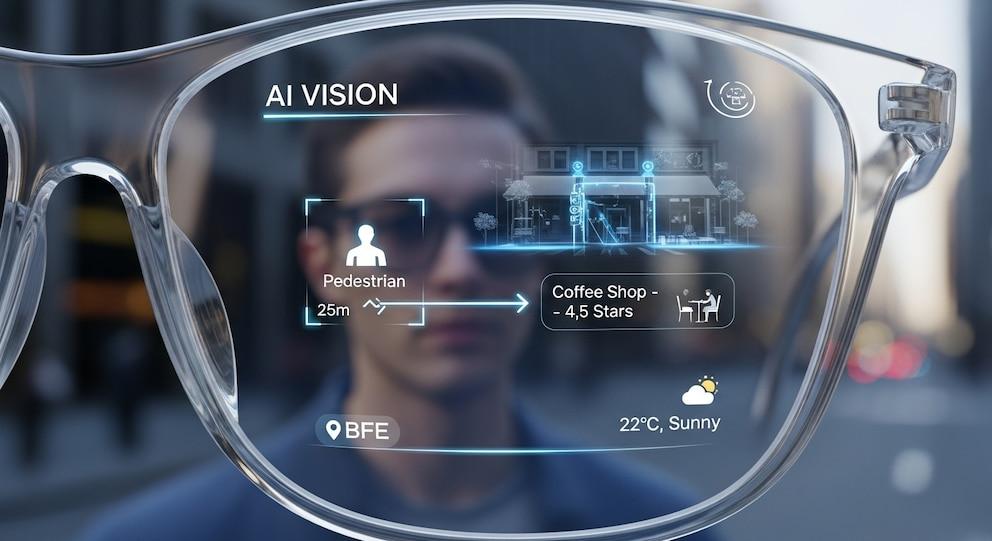
The advance of artificial intelligence has transformed the work and academic environment, while dependence on digital devices in daily life grows.In 2026, smart glasses will be consolidated as a basic element of digital life, according to the MIT Technology Review magazine and the American scientific publication Popular Science.
This class of smart glasses project information directly into the user’s visual field, including notifications, maps and voice assistants, through augmented reality interfaces.Unlike traditional devices, smart glasses combine artificial intelligence, advanced sensors and real-time personalization, adapting the experience to the sensory and visual habits of each person.
This integration heralds a possible redefinition of the link between technology and the physical environment.Spokespeople from the French laboratory Laboratoire d’Excellence (LABEX) highlighted the sector’s commitment to technological innovation and sustainability, incorporating robotics, artificial intelligence and renewable energy sources in the production of lenses.Robots and autonomous vehicles make it possible to manufacture nearly four million lenses a year, with automated controls that reduce errors and guarantee quality, while recycling systems and solar panels reinforce the goal of sustainability in the optical industry.
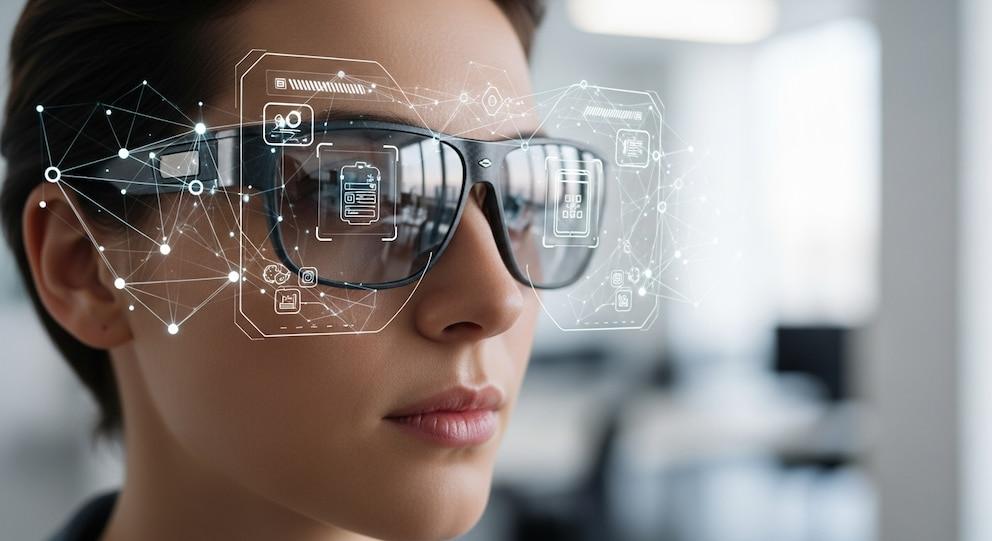
As an example, several companies have deepened the integration of artificial intelligence and sensors that measure reading distance, eye and head movements, reaction to fatigue and lighting conditions.This information feeds digital models or virtual twins that allow you to anticipate and personalize optical adjustments for each user, according to Popular Science.
The latest progressive lenses calculate precise focus areas, adjusting to both the optical prescription and the wearer’s visual routines.This facilitates faster adaptation and reduces distortions compared to conventional optical solutions.
The convergence of visual and hearing health advances with models that add hearing assistance through directional microphones and open-ear speakers, configurable from mobile applications.According to Popular Science, the goal is to reduce the stigma associated with traditional devices and encourage their integration into daily life.
The%20sector%20faces%20challenge%C3%ATwo%20healthcare%20and%20social%20of%20magnitude.%20Data%20of%20PopularScience%20and%20the%20Organization%C3%B3n%20World%20of%20the%20Health%20indicate%20that%20presbyopia%20affects%20to85%%20of%20%20people%20older%20of%2040%20to%C3%B1os,who%20spend%20on%20average%20six%20hours%20dailyas%20front%20a%20screens,%20figure%20that rises%20to%20ten%20hours%20in%20offices.%20The%20d%C3%A9ficit%20visual%20no%20corrected%20represents%C3%Losses%20anuales%20of%20productivity%20estimated%20in%20USD%20411,000%20million,%20while%20thecost%20of%20optical%20%C3%B3solutions%20round%20the%20USD%2025,000%20million.
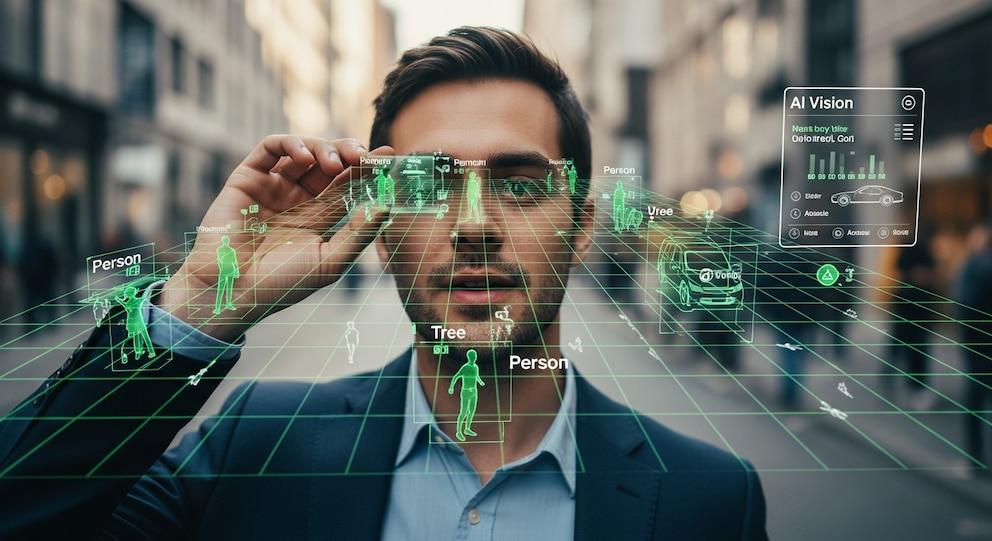
Privacy and social acceptance of smart glasses spark debates.The use of built-in cameras, assistants and sensors raises concerns regarding data protection and the limits of individual surveillance.The European optical sector debates how to integrate these technologies without losing the trust of users, according to MIT Technology Review and Popular Science.
The specialists’ recommendations include the implementation of advanced security and encryption systems to protect personal information, as well as the development of clear regulatory frameworks that define the permitted uses of cameras and sensors in public and private spaces.
Furthermore, the European Union Data Protection Agency emphasizes the importance of transparently informing users about the data collection and processing functions of these devices.
The progressive development of smart glass foresees an increase in its capabilities in productivity, health and daily life.The growing adoption in Europe and the United States anticipates a profound transformation in the interaction with technology and information.

