


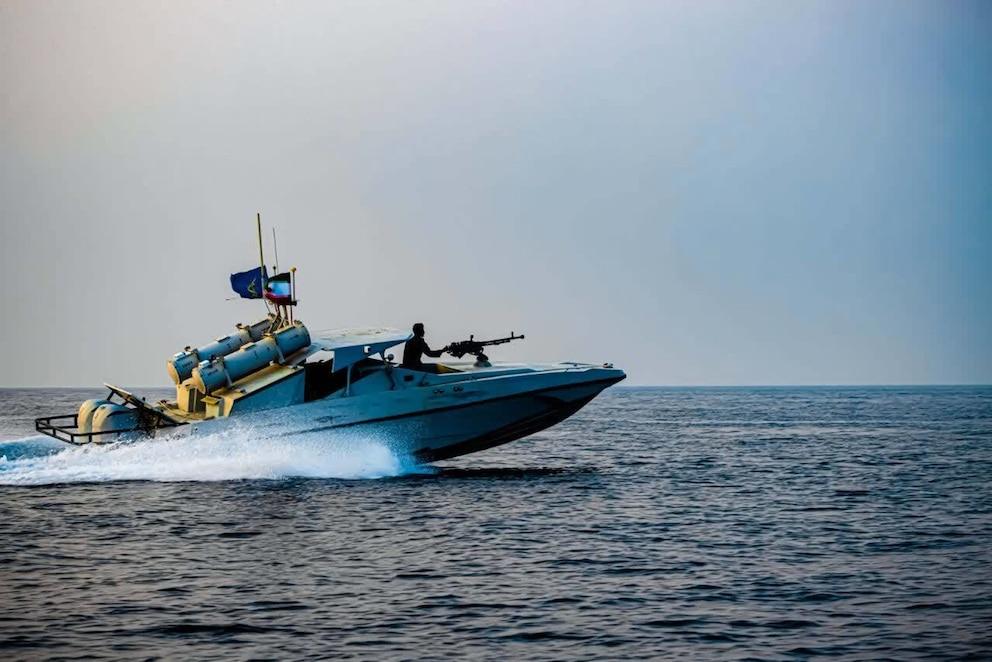
The Iranian regime began military exercises this Monday in the strategic Strait of Hormuz, in a new gesture of regional intimidation that coincides with the prelude to nuclear negotiations with the United States.
The%20maneuvers,%20organized%20by%20the%20Guardia%20Revolutionary,%20include%20drills%20declosing%20of%20the%20route%20mar%C3%ADtima%20by%20the%20that%20circul%20close%20of%2020%%20of%20petr%C3%B3worldwide,%20as%C3%AD%20as%20the%20mobilization%C3%B3n%20of%20ships%20r%C3%A1orders%20and%20advanced weaponry.
For years, the Iranian theocracy has repeatedly threatened to block this step in retaliation against sanctions or international pressure, a strategy that has been interpreted by Western governments as a permanent factor of instability for markets and regional security.
According to the information released by the Iranian state apparatus itself, the exercise – called “Intelligent Control of the Strait of Hormuz” – also extends to the Persian Gulf and the Sea of Oman, and is focused on the ability to “rapidly react” to alleged conspiracies against the country’s security.
The operation is supervised by the commander in chief of the elite military corps, General Mohamad Pakpur.
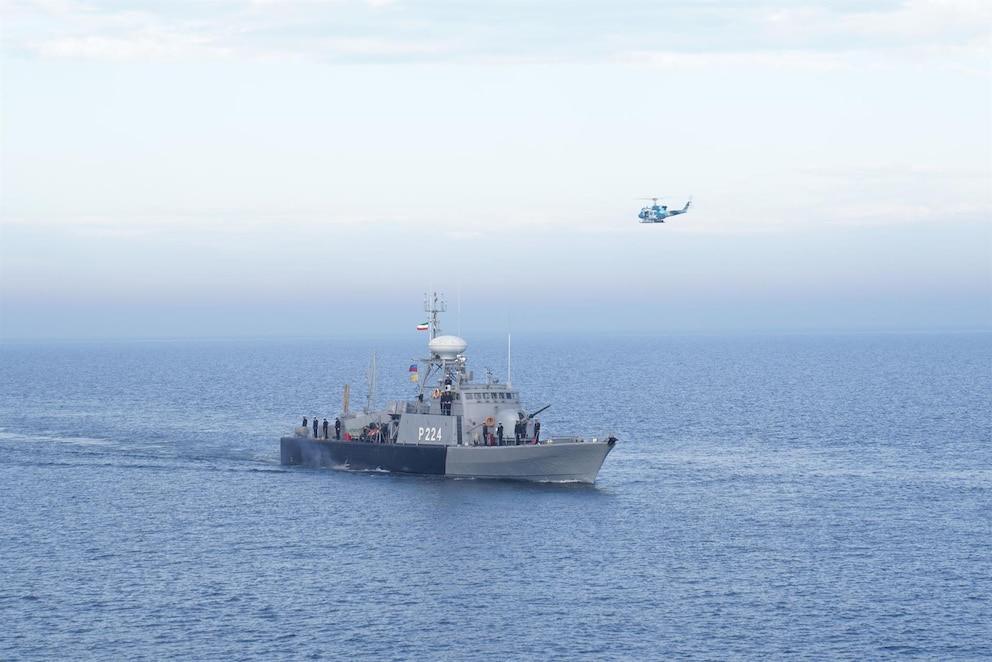
For the regime headed by Ali Khamenei, these maneuvers seek to send a message of strength to its rivals: the interruption of the global energy flow continues to be a letter of political and military pressure.
Iran has reiterated on numerous occasions that it is willing to close Hormuz if it perceives direct aggression or a tightening of sanctions.
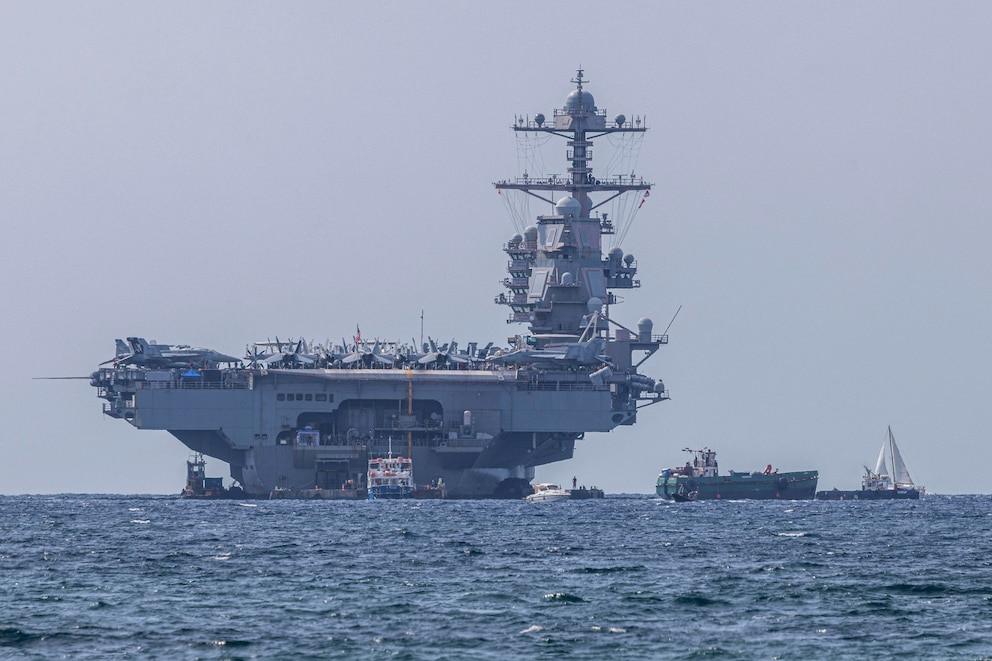
The carrying out of these exercises coincides with the arrival of a powerful US fleet to the Persian Gulf.President Donald Trump ordered the deployment of the USS Gerald R. Ford aircraft carrier and escort ships as a warning to the regime.
Trump stated that “if there is no agreement, we will need it,” referring to the aircraft carrier, and reiterated that the United States will maintain a “very large force” in the area to contain any destabilization attempt by Iran.
The start of the maneuvers also seeks to influence the development of the nuclear negotiations scheduled in Geneva, where Iranian and American representatives, mediated by Oman, will discuss the possibility of limiting uranium enrichment and easing sanctions.
The Iranians have stressed that “zero enrichment” and limiting the ballistic missile program are not acceptable options, making it clear that the regime has no intention of giving up its offensive capabilities.
Israeli Prime Minister Benjamin Netanyahu has pushed for the United States to demand the withdrawal of enriched uranium and an end to Iranian support for regional militias, in addition to imposing strict limits on the range of Iranian missiles.
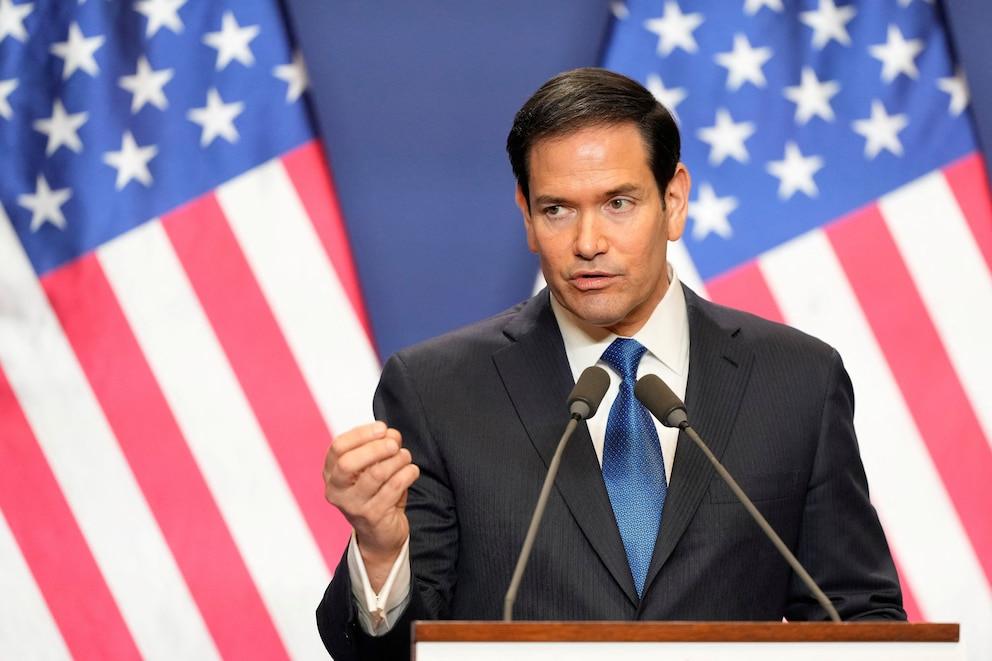
The US Secretary of State, Marco Rubio, warned that negotiating with Iran “is not easy” and that the country is governed by “radical clerics” who do not respond to geopolitical logic.
The Iranian regime uses these military exercises as an instrument of internal propaganda and a tool of intimidation to maintain its influence in the region.Meanwhile, risks to global energy supplies and regional stability are increasing, with the Revolutionary Guard prepared to use the closure of Hormuz as a political weapon against any diplomatic or military setback.
The military deployment in Hormuz also follows the 12-day war in June last year, when Israel and the United States bombed Iranian nuclear facilities.Since then, the Revolutionary Guard has insisted that missiles and defensive capabilities are a red line for the regime.
Naval maneuvers and the increase in foreign military presence in the Persian Gulf keep tension high in one of the most sensitive regions for the world economy.
The Tehran regime continues to use control over the Strait of Hormuz as a central element of its foreign and security policy, while diplomatic talks with the United States advance in search of a new nuclear agreement.
(With information from AFP and EFE)

