


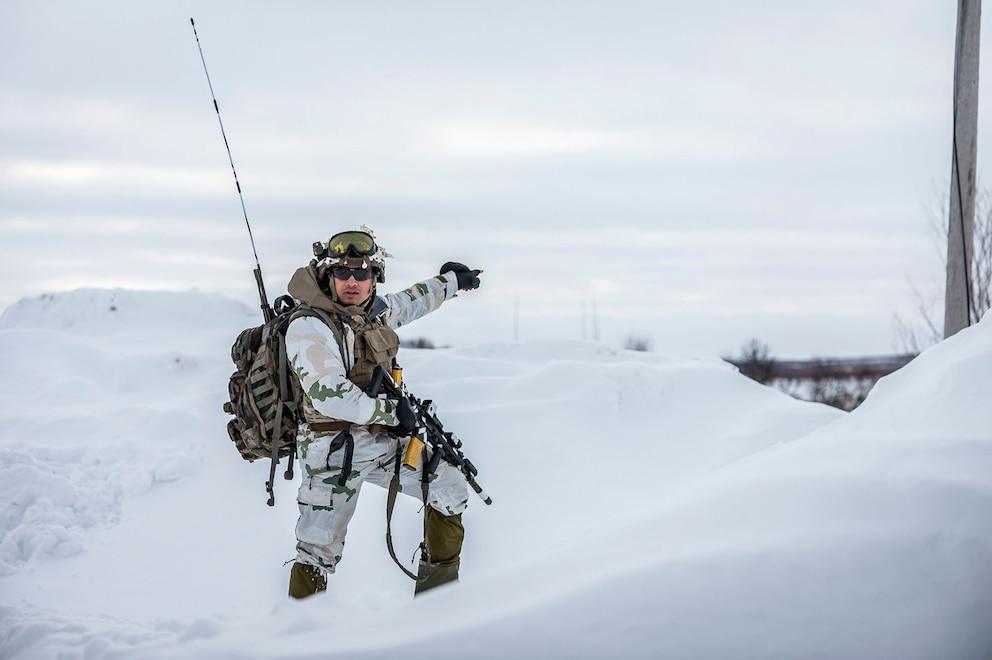
The NATO member states located in the Arctic region have celebrated the launch of Operation ‘Arctic Sentinel’, agreed upon by Mark Rutte and Donald Trump after the crisis opened by the United States’ intentions to annex Greenland, and have noted a better state of relations within the alliance than weeks ago.
“We are more united now than at the beginning of the year,” said Iceland’s Foreign Minister, Thorgerdur Katrin, in statements to the media before attending the meeting of defense chiefs of NATO countries taking place this Thursday in Brussels, where the allies will review how they are working to guarantee common security.
In his opinion, NATO “has been put to the test”, and now “not only” the United States, Denmark and Greenland “are focused on reinforcing security in the North Atlantic”, but the entire Alliance has also joined in with ‘Arctic Sentinel’.”I think it’s an important sign. We are in this together,” he said.
After adding that “unity is the center of gravity of the Alliance”, he warned that however “it is advisable to be realistic” because NATO “is inevitably changing” and European countries are taking “a step forward” to assume more responsibility and more leadership.
The Minister of Defense of Finland, AnttiHakkanen, has expressed himself along the same lines, giving a “warm welcome to the new approach to the Arctic”, since in his opinion defense and deterrence in this region “are not only security for the Arctic allies, but for the entire Alliance”, including the United States.
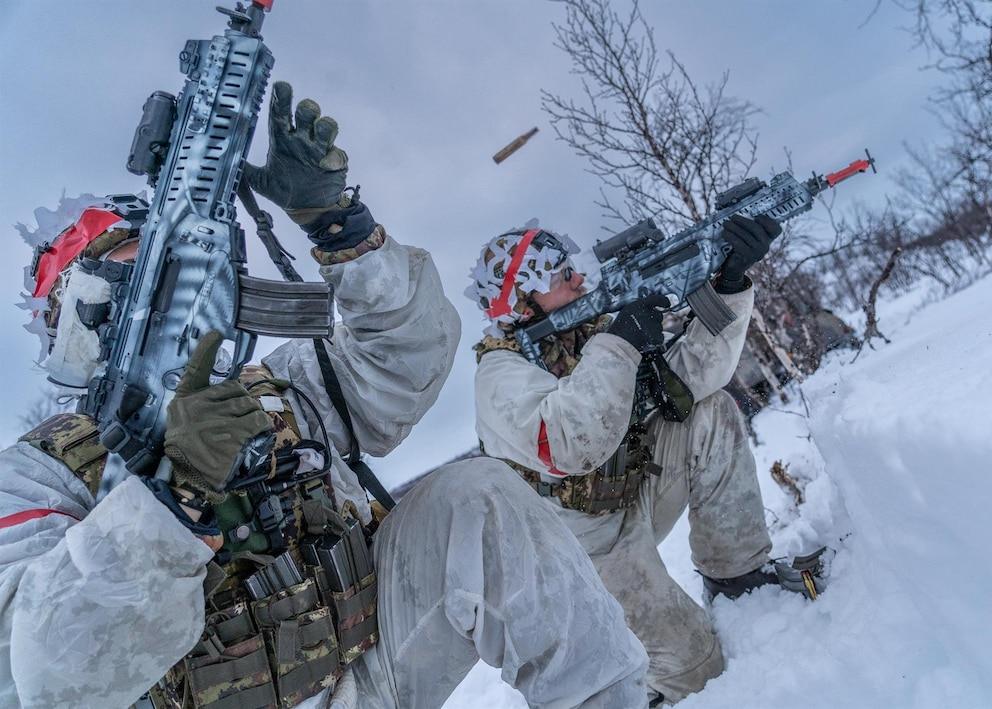
He has not given details of which forces his country would participate in the mission, but has announced that he is evaluating “what the general details are” taking into account that “the Arctic is a very large area” and that the Finnish Armed Forces “are fully Arctic.”
“We already carry out many Arctic exercises every week, and in a couple of weeks we will hold some large-scale maneuvers, ‘Cold Response’, with our Norwegian colleagues and numerous allies in Lapland, on Finnish territory,” he explained.
For his part, Sweden’s Defense Minister, Pal Jonson, has given his approval to this plan to coordinate, under the command of the alliance, the activities already carried out by the allies in the region but separately, and has indicated that his country is also intensifying its maneuvers in the region.
“For us, being an Arctic country, it is completely natural to contribute. That is the logical thing,” he assured, detailing that starting in March he expects the Norwegian exercise ‘Cold Response’ to have a lot of activity, and that ‘FLF Finland’, of which his country is a part, will also have it.
‘Arctic Sentinel’, for the Swedish minister, is a way to increase activity where it is needed to counteract “Russian movements” and the “increased presence of China”, mainly with ships linked to resource extraction in the region.
This Wednesday, Russian Foreign Minister Sergei Lavrov told the Duma, the Parliament that responds to Vladimir Putin, that his country will evaluate responding with “military measures” to the increased presence of NATO in the region near the North Pole.
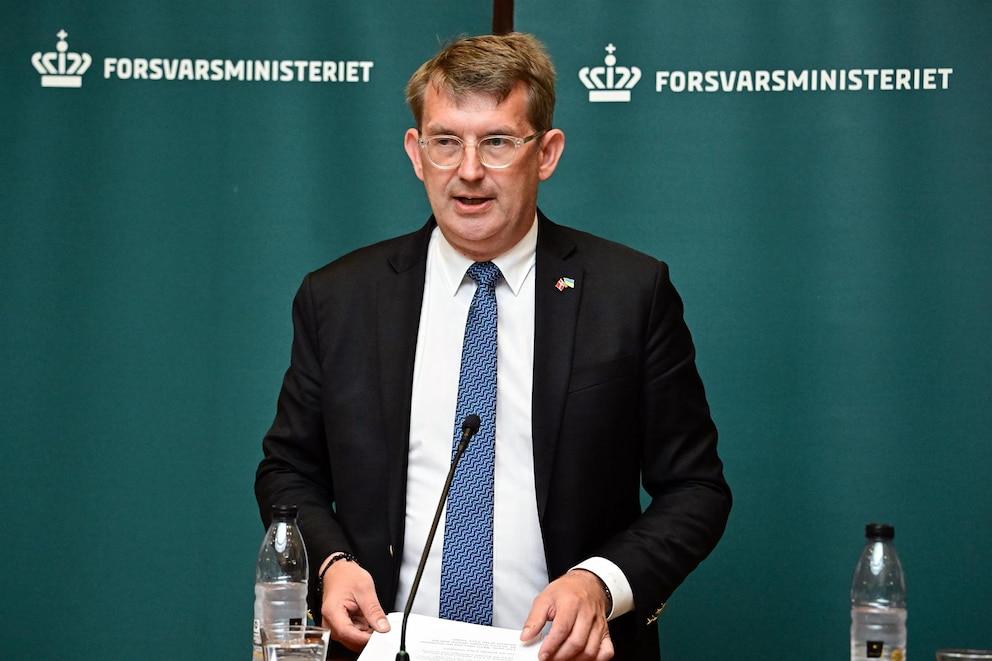
Already this Wednesday, on the eve of this meeting of NATO Defense Ministers, Denmark also celebrated the launch of the operation, as a “very good decision” that responds to a demand maintained by Copenhagen to reinforce the allied presence in the region.
“I am very happy that it is happening now. We have to assume this role in the Arctic. I think it is a very good decision, which will now materialize,” Danish Defense Minister Troels Lund Poulsen said in statements to the media, emphasizing the unanimous support within the organization for the mission.
Regarding Denmark’s specific role, he made it clear that its contribution to the mission is “a priority”, although he considered that “it is still too early to give specific details”, pointing to conversations with other allies about possible contributions, such as means of maritime patrol.
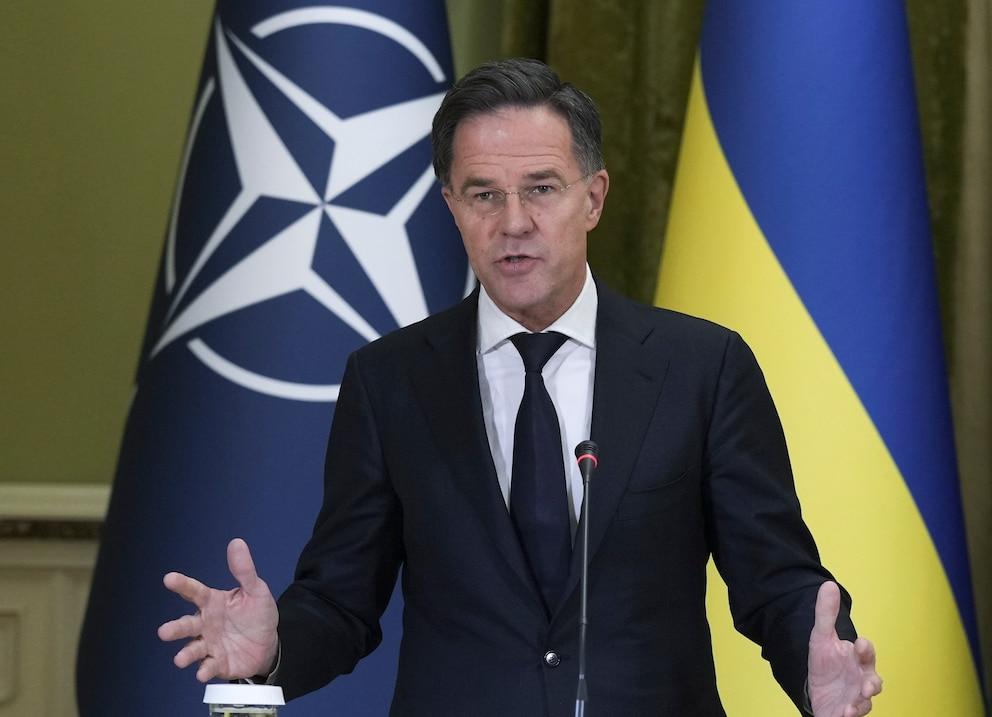
Operation ‘Arctic Sentinel’ was announced this Wednesday by NATO as a result of the agreement reached between the allied secretary general, Mark Rutte, and the president of the United States, Donald Trump, after the diplomatic crisis opened by the White House’s claims over Greenland, with the aim of coordinatingly reinforcing the allied military presence in a region that is increasingly strategic due to its location and growing geopolitical competition.
The Allied Operations Command (ACO) will be responsible for planning and executing activities in the area, while operational direction will fall to the Joint Force Command Norfolk (JFC Norfolk), whose area of responsibility covers the entire Arctic and the North Pole and which will coordinate its actions with the North American Aerospace Defense Command (NORAD) and the Northern and European commands of the United States.
In practice, the mission will integrate and give coherence to already existing maneuvers of allied countries, such as the Norwegian exercise ‘Cold Response’ or the Danish mission ‘Arctic Resistance’, in order to bring together under a common approach all activities in the High North and reinforce the Alliance’s posture against Russia’s military activity and China’s growing economic interest in the region.
(With information from EP)

