


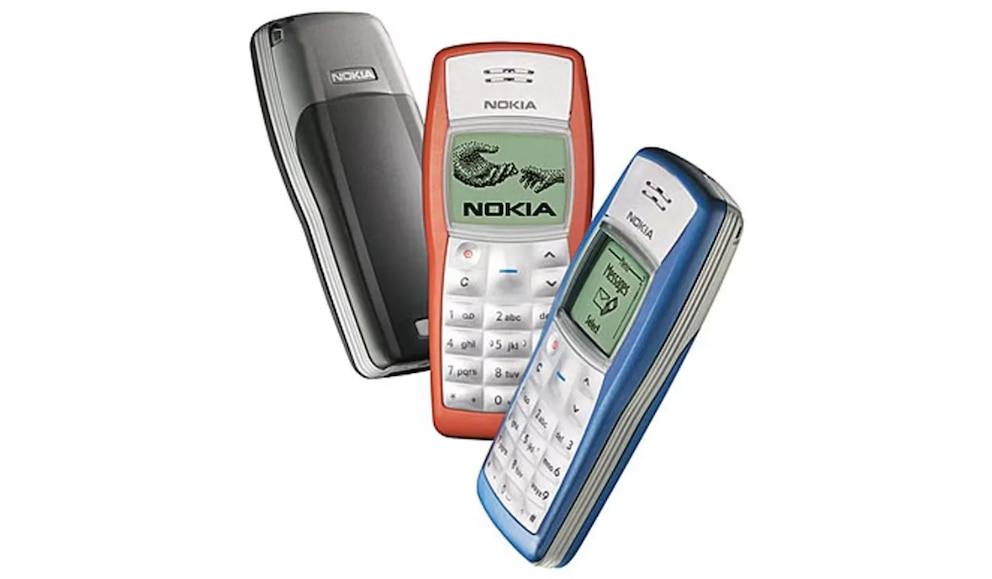
The Nokia 1100 was launched more than 20 years ago and became the best-selling phone in history. Its robust design, outstanding autonomy and simple interface positioned it as a reliable option for millions of people.
Today, despite the advancement of touch technology, the Nokia 1100 is still available on the retro market and its price depends on the condition and original accessories.
Interest in this device is not limited to nostalgia.Resale platforms such as eBay have driven a new wave of buyers, attracted by the durability and functionality of the model.
The current value varies and in many cases is lower than its original price, which reinforces its appeal among collectors and users looking for basic phones.
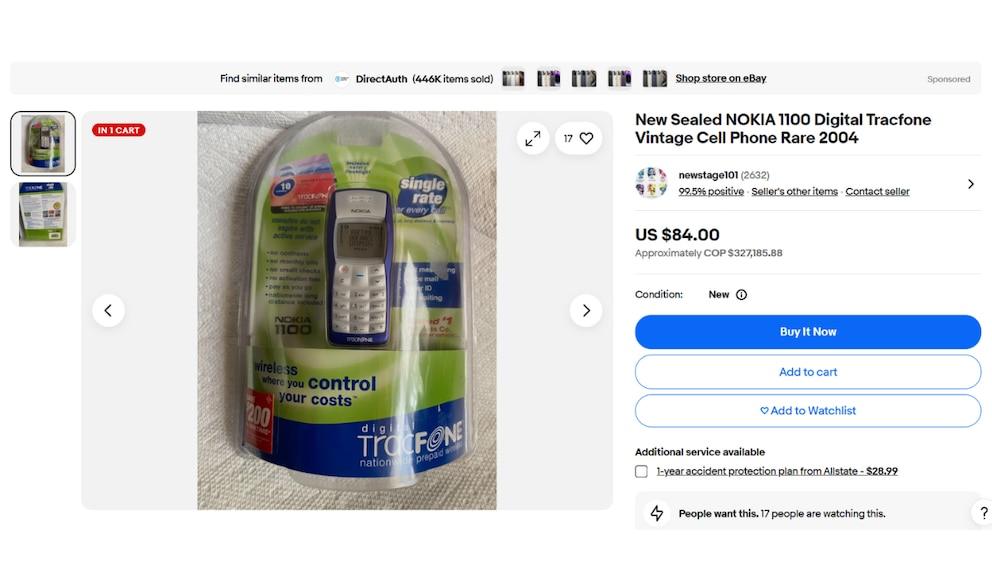
Those who wish to purchase a Nokia 1100 can find it on online trading platforms, with eBay being one of the main access points.
According to recent posts on this site, most of the available units sell for under $50, although the price may vary depending on the condition of the device and the presence of original accessories.
In addition to eBay, there are local markets and auction sites where you can get units of the phone.Availability and cost depend on region and specific device features.
Unused or sealed models usually achieve higher values at specialized auctions, where the interest of collectors and technology enthusiasts is greater.
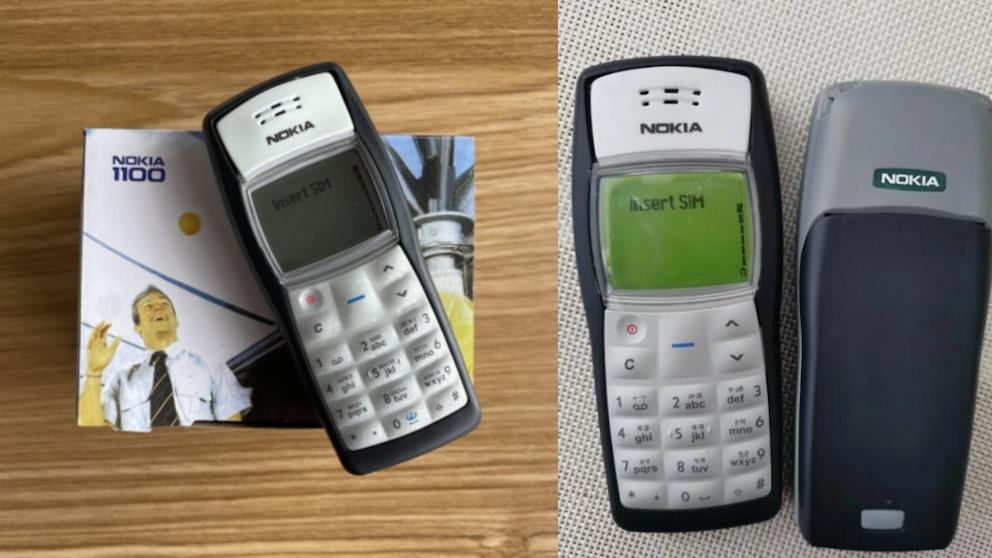
In the retro market, prices for the Nokia 1100 range between $25 and $100. The lowest values correspond to used phones, while units in impeccable condition or with original accessories can exceed that range.
Unused models or models in original boxes can reach higher prices at auction, which shows the sustained interest of certain consumer niches.
The success of the Nokia 1100 is explained by the company’s decision to offer a basic, economical and easily available product.The device featured a non-slip rubber casing, which protected the phone from drops and bumps, and a long-lasting BL-5C battery.

These features distinguished it at a time when most phones required constant recharging and were less rugged.
Over time, the telephone industry experienced changes with the arrival of models such as the Motorola DynaTAC 8000X, the Motorola RAZR V3 and the Nokia3310 itself.
In 2007, the introduction of the iPhone marked a turning point by incorporating a touch screen and a new interface, which fueled the transition to smartphones and changed the way technology was consumed around the world.
The popularity of the Nokia 1100 lies in a combination of factors.The robust design, the intuitive interface and the autonomy that exceeded a week on a single charge were key to its success.
According to data collected by Visual Capitalist, during its six years on the market, the model reached 250 million units sold, surpassing references such as the Motorola RAZR and the iPhone 6.
The launch in August 2003 by the Finnish company responded to a demand for affordable and resistant phones, especially in emerging markets.
Its price of $100 facilitated mass adoption in regions such as Latin America, Asia and Africa.The menu offered essential functions, including calls, text messages, flashlight, and the Snake II game.

