


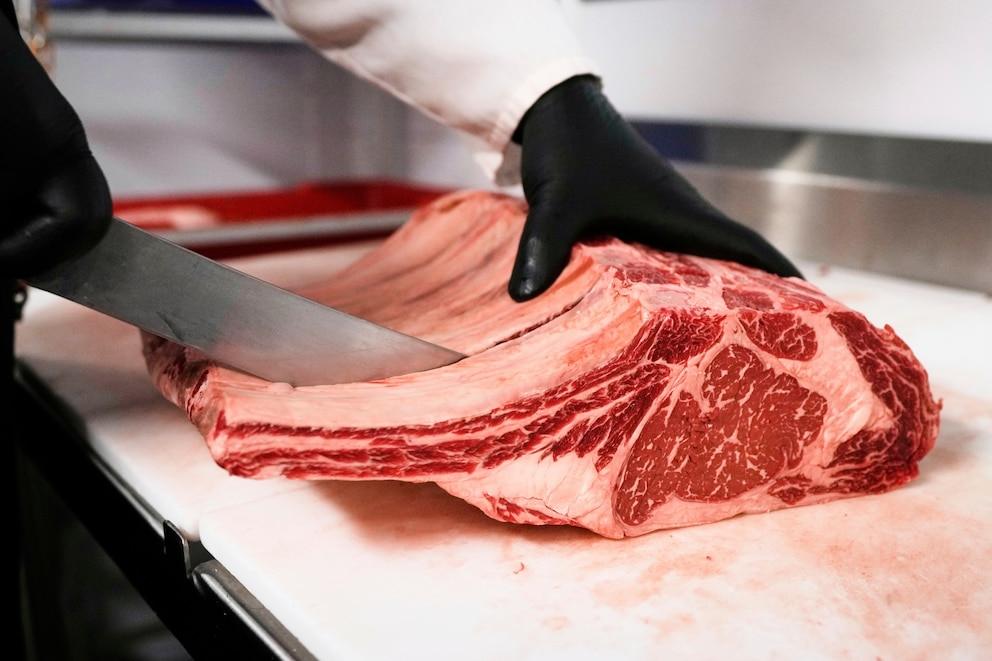
Then%20the%20prices%20of%20meat%20will%20increase%20significantly%20in%202025,%20with%20subsclose%20to%2070%,%20the%20sector%20begins%20to%20analyze%20the%20impact%20of%20agreement%20with%20USA, which seeks%20to boost%20exports%20of%20the%20livestock%20sector%20towards%20that%20pa%C3%ADs,%20in%20a context%20of%20low%20supply.
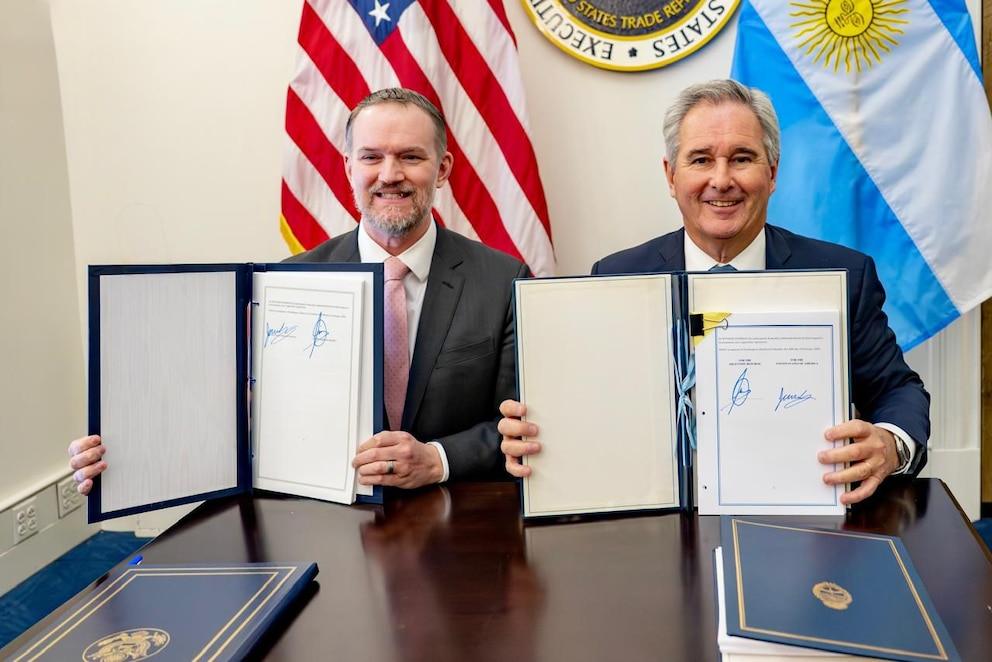
Specifically, the meat quota authorized by the United States was expanded by about 80,000 tons compared to the previous 20,000, so the total quota will rise to 100,000 tons.In principle, the measure will be temporary and will apply only during 2026, given that it was ordered by an executive order from the Donald Trump government and was not included in the trade agreement.
While%20both,%20in%20Argentina,%20sec%C3%BAn%20LCG,%20the%20meat%20subi%C3%B3%204,1%%20in%20g%C3%B3doing%20during%20%C3%BAlast%20four%20weeks,%20following%20the%20tendence%20recorded%20in%20December, when%20the%20food%20was%20one%20of%20the%20that%20m%C3%A1s%20increase%C3%B3%20within%20of the%20%C3%8Dindex%20of%20Consumer%20Price%20(CPI).
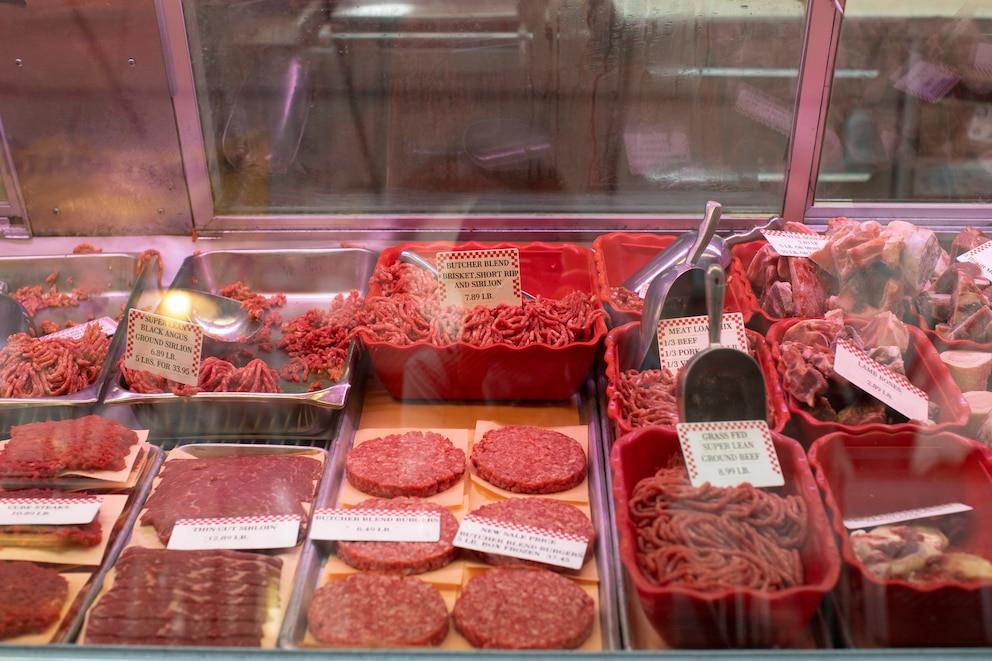
Regarding the impact of the agreement, the Government assures that the prices of cuts that do not have as much demand in the US, such as roast meat, will go down in the domestic market because there will be more supply by increasing production for export, for example, loin.However, and beyond the agreement, the vision of specialists is far from that view.Although what was agreed influences, the problems do not begin now.
Sergio Pedace, vice president of the Argentine Chamber of Slaughterers and Suppliers (CAMYA), stated: “What we are seeing is that there is a lack of livestock stock and that farm prices are increasingly expensive. In January they rose between 6 and 8 percent, depending on the category. We have to see how much the US is going to pay and if exporters are going to sell to that country or to China, are they also going to send weak meat or good meat. That is more a matter ofexport, but what we do know is that prices are not going to go down.”
For his part, the coordinator of the Meat Table, Dardo Chiesa, said that the agreement should not have a major impact on prices.”I estimate that what will happen is a redirection of export destinations, prioritizing the United States over China or the European Union. Domestic consumption is already too stressed to validate increases.”
According to livestock consultant Víctor Tonelli, the background analysis indicates that the effect on prices is not mainly explained by that extra volume in the US quota.
The specialist highlights that Argentina is experiencing a sharp reduction in stock, with a loss of more than three million head in recent years, and since November a retention cycle began to rebuild the herd.
This implies that, even without the new quota, this year there would be close to a million fewer heads at slaughter and around 200,000 fewer tons available, generating a tension between supply and demand that was already underway.
In this context, the market was already facing a scenario of “tensions between available supply and price”, also driven by firm international demand.
Tonelli emphasizes that “the 80,000 are not going to be the triggers for a different price” in the domestic market.Part of that quota was already being exported paying tariffs—about 25,000 tons last year—and the rest was probably redirected from other destinations, mainly China, rather than implying a real jump in the total volume exported.
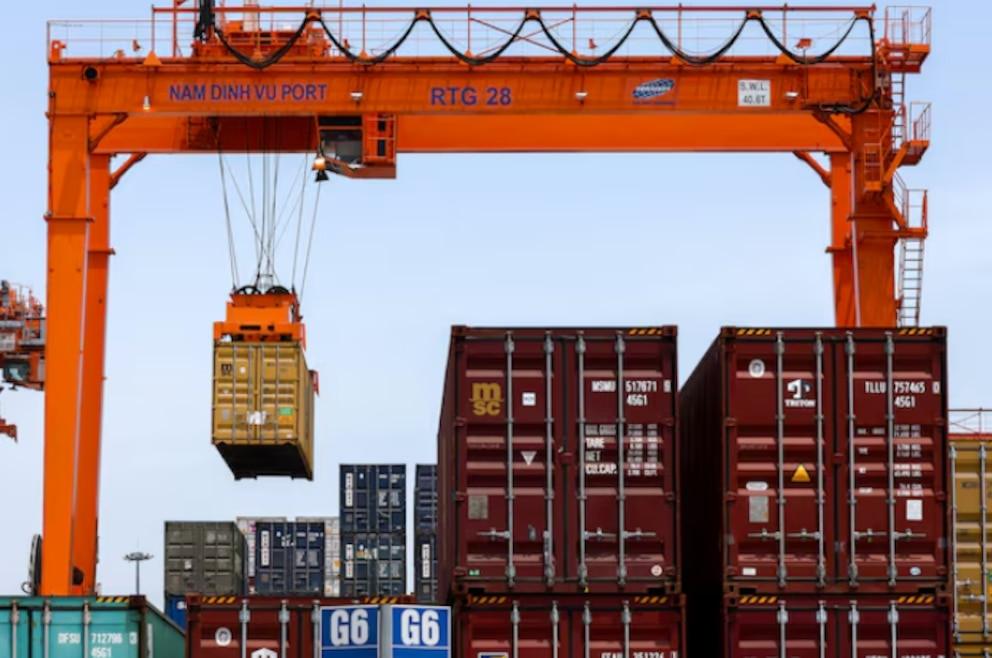
Thus, according to the analyst, the main effect of the agreement would be to improve export profitability due to tariff savings, rather than substantially altering local availability.
The pressure on prices responds to the change in the production cycle: reduced slaughter, retention of females and addition of kilos, long processes that will condition the supply during 2026 and part of 2027. In summary, the quota “confirms the tension”, but the lack of cattle and high prices were already a previous trend.
From%20agreement%20to%20%C3%BLast%20report%20from%20the%20C%C3%To1mara%20from%20the%20Industry%20and%20Commerce%20from%20Meats%20andDerivatives%20of%20the%20Rep%C3%BAblica%20Argentina%20(CICCRA),%20in%202025%20the%20apparent consumptionof%20meat%20beef%20%20recovered%C3%B3%20a%202.4%%20compared to%20%20a%C3%B1or%20previous,%20reaching%20total%20of%202.297%20millionis%20of%20tons%20res%20with%20bone%20(r/c/h),%20what%20represents%20an increase%20of%2053,4%20thousand%20tons.
%20consumption%20per%20c%C3%A1pita%20also%C3%A9n%20grew%C3%B3,%20reaching%20to%2048.4%20kilos%20per%20inhabitant%20at%C3%B1o,%20an%20increase%20of%201.2%%20(0.6%20kg/inhabitant/a%C3%B1o).
From the entity they pointed out that the end of 2025 once again showed that Argentine livestock farming is going through a complex transition phase, characterized by a shortage of livestock, the recomposition of prices and a fragile balance between production, internal consumption and exports.
“The data are clear and, far from being temporary, they reflect the accumulated consequences of several years of drought, liquidation of stocks and lower production of calves. The recomposition of the stock will be slow and will require stable macroeconomic and productive conditions to consolidate,” they say.
%E2%80%9CParad%C3%B3logically,%20while%20the%20production%C3%B3n%20total%20of%20meat%20beef%20fall%C3%B3%201.1%interannual,%20el%20consumption%20internal%20mostr%C3%B3%20a%20slight%20recovery%C3%B3n.%20The%20key%20was%20onthe%20front%20external,%20mainly%20for%20the%20adjustment%20of%20the%20chinese%20purchases%20in%20thefirst%20half%20of%20a%C3%B1or%E2%80%9D,%20a%C3%B1aden.

