


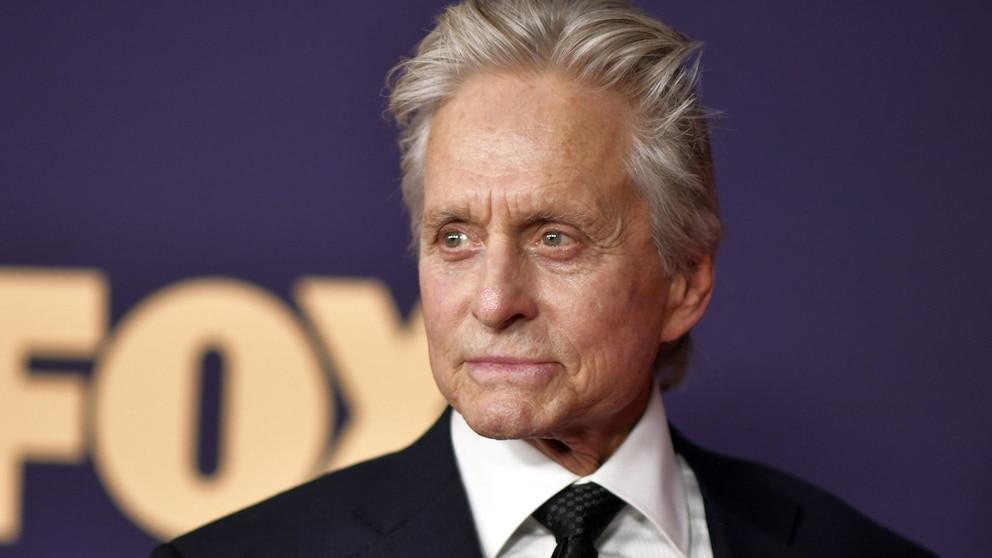
Michael Douglas’s recent appearance at the TCM Classic Film Festival in New York revealed a little-known curiosity about his career and one of the most emblematic roles in 80s cinema.
The actor admitted that he was unaware that the character of Gordon Gekko, with whom he won the Oscar for Best Actor in 1987, had previously been offered to other Hollywood figures.
During a chat with Alicia Malone, Douglas said that he only recently learned, through an article, that director Oliver Stone previously considered Warren Beatty and Richard Gere for the role of Gekko.
“I saw an article recently that said Oliver first went to Warren Beatty, who rejected her, and then to Richard Gere, who also rejected her,” the actor shared at the event.
Immediately afterwards, he acknowledged: “I didn’t know anything about that because you always like to think that you were the chosen one.”
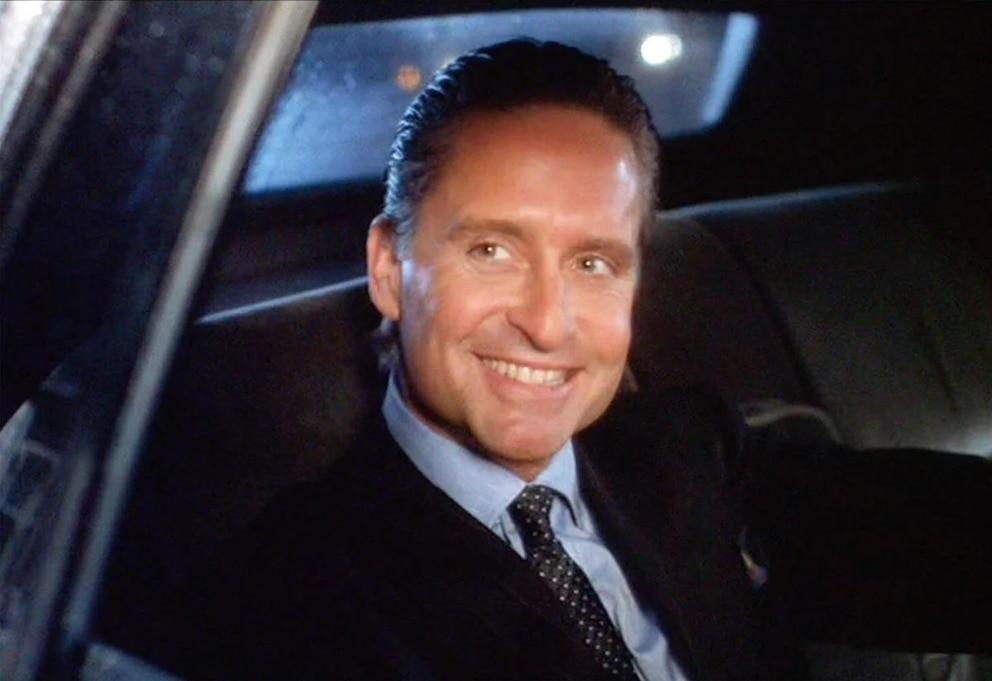
The revelation surprised both the public and Michael Douglas himself, who recalled that, upon receiving the script, he was looking to play a difficult and challenging character.
He described the proposal as an honor and expressed that he felt “honored and overwhelmed” to be selected to play the ambitious and ruthless businessman who would become a cinematic reference.
“I was really happy, excited to contribute my heart,” he said.“You don’t have many good roles in your life.”
Douglas explained that, although he had no prior relationship with Stone, the script for Wall Street (1987) caught his attention for its depth and critical look at greed and moral dilemmas in American society at the time.
He described the script as “a serious, serious work,” which demanded absolute commitment.
The Hollywood artist acknowledged that on few occasions throughout his career he found opportunities of that magnitude.
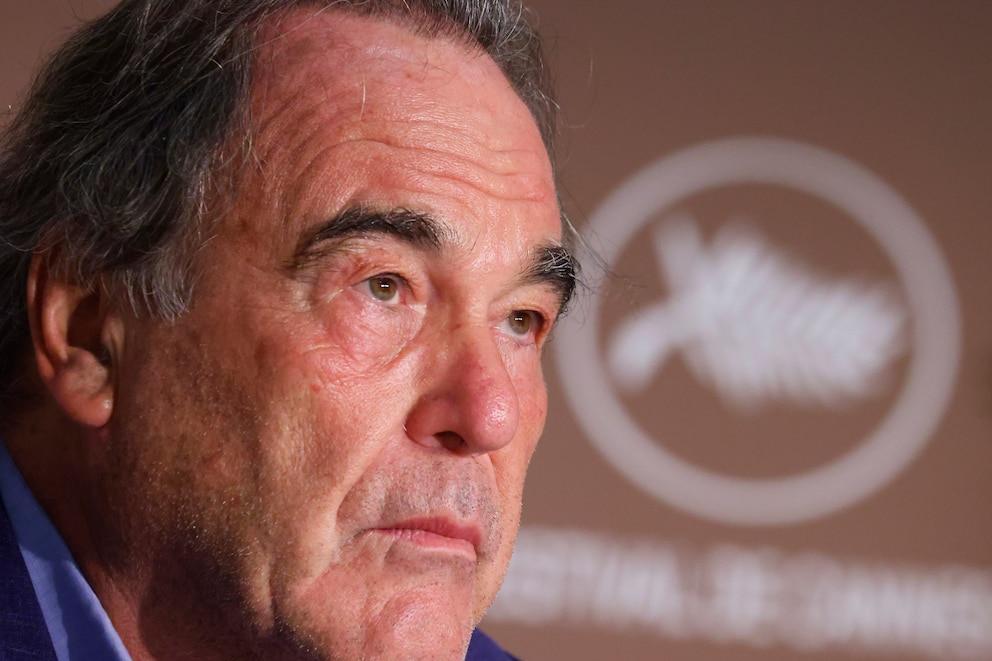
The choice of Oliver Stone responded to a deliberate search.
Douglas explained that the director was looking for someone familiar with the business environment.
“I guess Oliver was looking for an actor with some business acumen, and since I was also a producer and grew up in New York, I was familiar with that world,” he said.
“I went to Allen Stevenson School and then prep schools. I had friends since childhood who were on Wall Street, so I wasn’t an expert, but I understood the lifestyle. I guess that’s why he chose me,” he said.
Filming Wall Street was not without demands.Michael Douglas told an anecdote that illustrates the rigor of Oliver Stone.
At the end of the second week of filming, the director showed up in his trailer and asked, “‘Are you okay?’ and then he said, ‘Are you doing drugs? Because it looks like you’ve never acted in your life.'”
The actor explained that he avoided seeing the daily shots because he always found errors in his work and preferred not to obsess over the details.
At Stone’s insistence, Douglas agreed to watch two already recorded scenes and was surprised to find that the result was stronger than he thought.
The filmmaker ended up acknowledging: “Yes, it’s okay, right?”
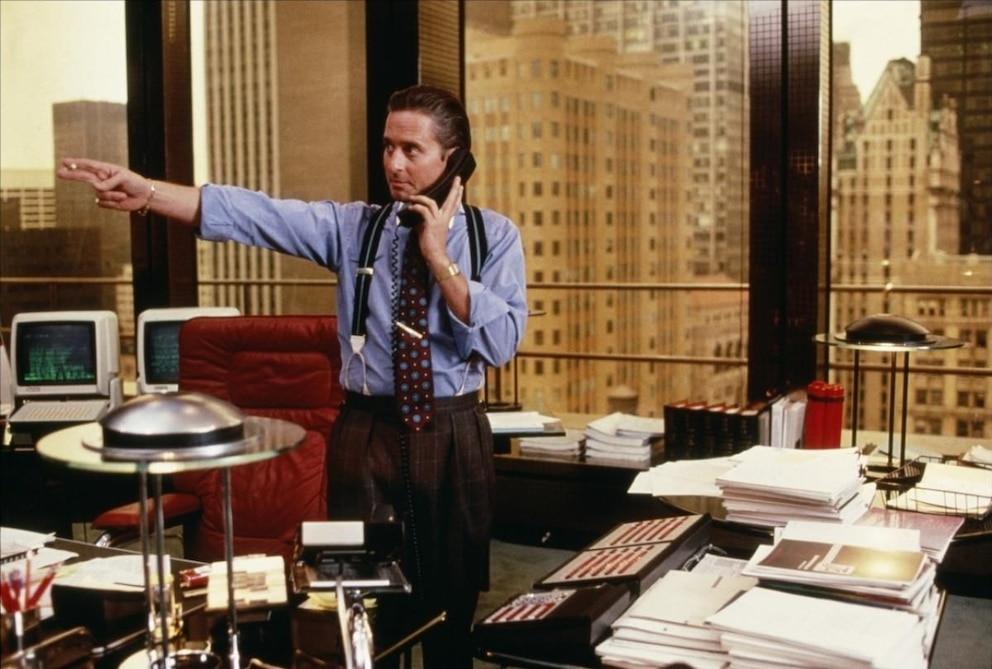
The professional relationship between the two was marked by frankness and intensity.
The movie star stressed that he now appreciates Stone’s attitude, who “was willing for me to hate him in order to get the best out of me.”
The director, for his part, said in a later interview that Douglas “felt more comfortable playing a villain, but he was always looking… I like Michael when he does it in good films, with good material. I liked him a lot in Wall Street.”
Wall Street’s impact on the industry was peculiar.Although the film did not receive numerous Oscar nominations, Michael Douglas was awarded Best Actor.
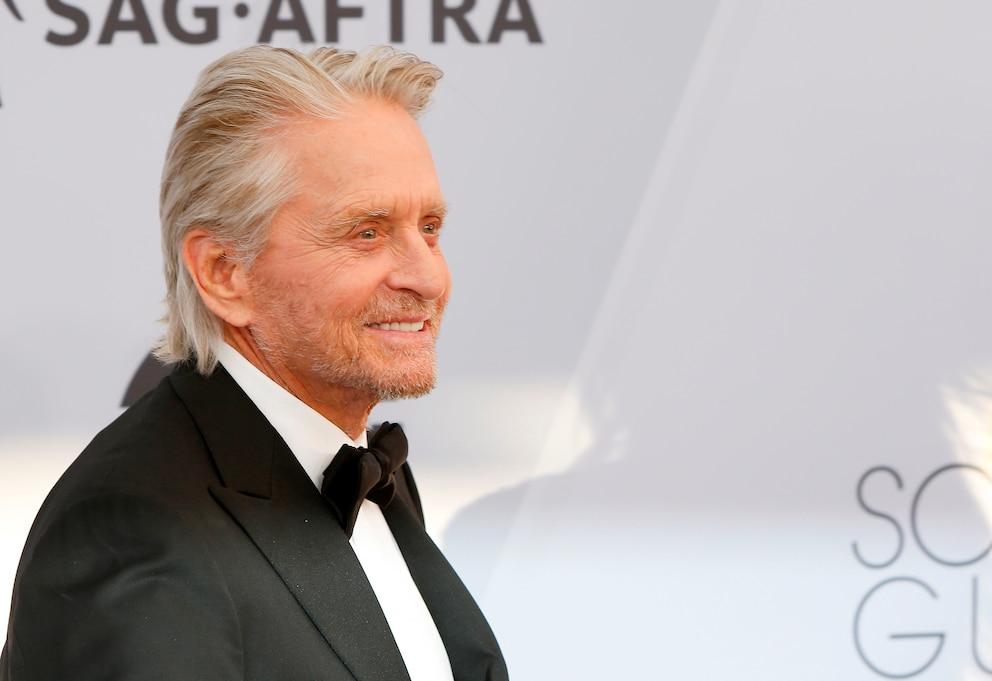
Oliver Stone reflected on the reception and felt that the industry “paid no attention to the film, except for Michael Douglas’ performance.”
The director attributed the actor’s recognition to the fact that his interpretation surprised, offering a different performance compared to his previous roles.
“On paper, in the movie, it surprised people,” he said.”There’s no doubt that in the first one, the surprise was partly what led to the Oscar, I think. It was so different from what they expected of it.”

