


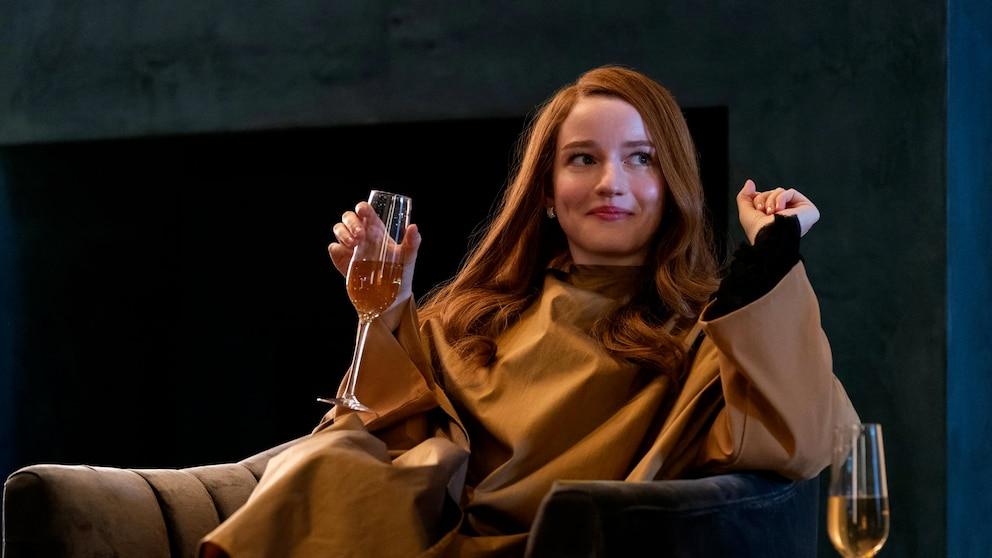
Netflix and former Vanity Fair employee Rachel DeLoache Williams put an end to a legal battle that lasted almost four years by reaching an agreement that closes the defamation lawsuit linked to the series Inventing Anna.
The case, heard in federal court in Delaware, was dismissed “with prejudice,” which prevents either party from filing the same case again and establishes that each party assumes its own legal expenses.
The controversy began in 2022, when Williams, a former friend of Anna Sorokin (the false heiress portrayed in the series as Anna Delvey), accused the platform of having shown her in a “deliberately disloyal and dishonest” way.
In her lawsuit, the journalist maintained that the production presented her as “snobbish, disloyal and greedy,” and that this image caused a wave of attacks on social networks and in person, as well as insults in podcasts and other media.
Williams maintained that her character was the only one in the series with a real name and personal details, which, according to her argument, exposed her to public scrutiny.
“Williams and Netflix have resolved the lawsuit,” reported both the platform’s spokesperson and Williams’ lawyer, Alexander Rufus-Isaacs, in a joint statement.

The television production, based on a New York Magazine article about Sorokin, opened a discussion about the limits of fiction and responsibility when portraying real events.
Rachel DeLoache Williams argued that the production transformed the “real-life villain” Anna Sorokinde into an almost heroic figure, while positioning her as an antagonist.
The journalist’s lawyers stated in a court filing: “Shonda Rhimes and those responsible for creating and writing Inventing Anna believed that the series needed a villain. Out of animosity toward Williams, they cynically decided to portray her as such.”
Netflix unsuccessfully tried to have the court dismiss the lawsuit in 2024, alleging that its creators were entitled to a “literary license” to the story.
The federal judge rejected the argument and the platform resorted to a motion for summary judgment, which was still pending when both parties opted for the agreement.
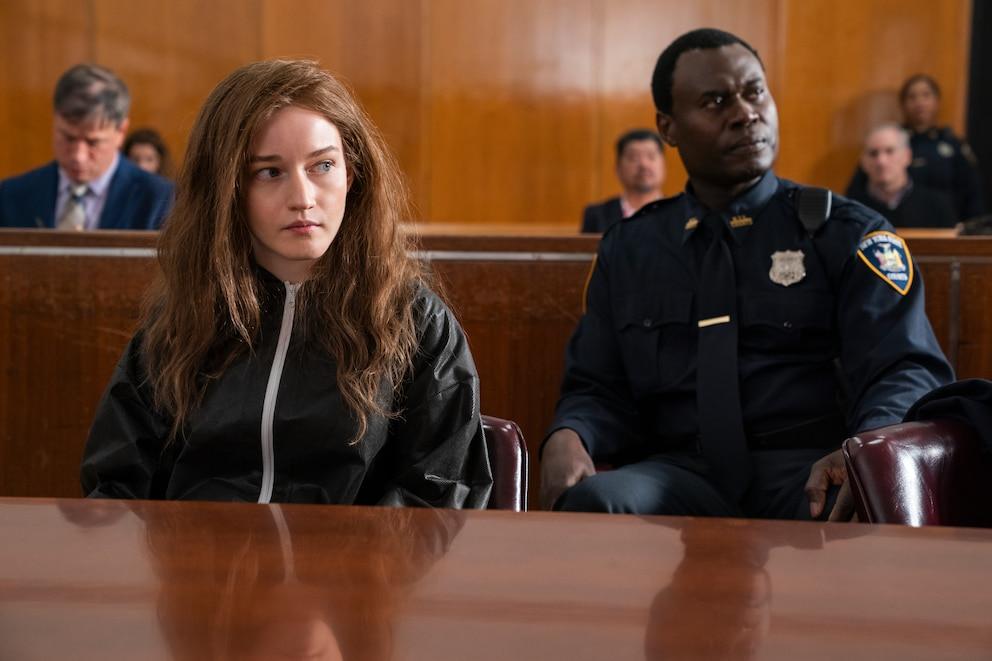
During the trial, lawyer Rufus-Isaacs defended the position that films and series based on real events do not enjoy a special exemption from defamation laws.
He even questioned creator Shonda Rhimes about the criteria for fictionalizing the behavior of real people.
“I wanted to capture the essence of what that person was in the moments we were representing and I had a rule of never portraying a woman in a severely negative way,” the producer responded.”It’s not what we do. We create three-dimensional people.”
Among the consequences detailed by Williams, thousands of abusive messages were mentioned, the publication of his own book about the case in 2019 and the agreement with HBO to adapt his story, all events included in the Netflix series.
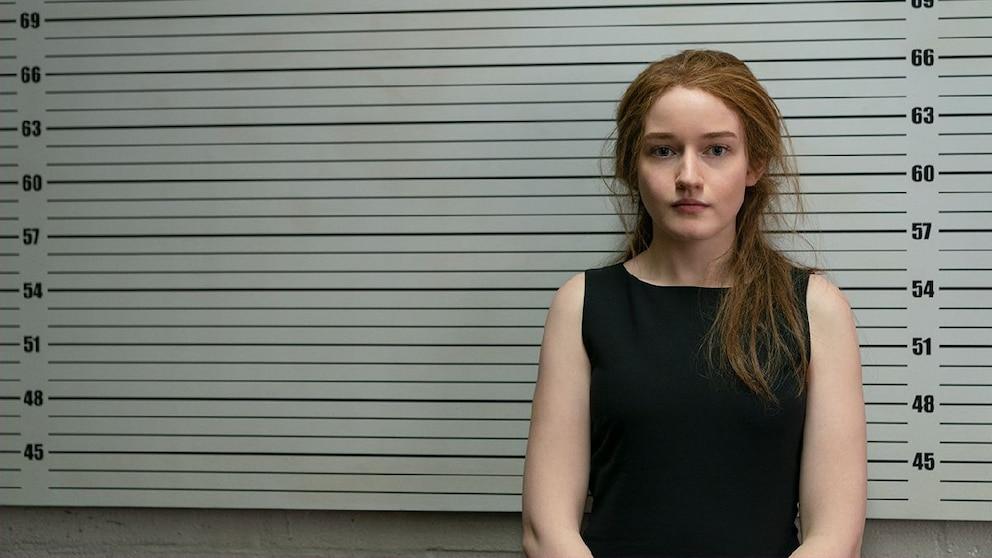
Anna Delvey, whose real name is Anna Sorokin, stated that she has no intention of watching the series that made her famous.
In an open letter published in Business Insider from her detention cell in 2022, she wrote: “It doesn’t look like I’ll be watching Inventing Anna anytime soon. Even if I could make it happen, nothing about seeing a fictionalized version of myself in this environment sounds appealing.”
Recently, on Mariana van Zeller’s podcast, Sorokin reiterated that, although he has seen inevitable fragments on networks, he has never seen the entire series.
“I started, and it just wasn’t a comfortable experience. I never had a reason to do it,” he said.
Regarding Julia Garner’s interpretation, he stated: “I don’t think my accent is that exaggerated,” although he acknowledged that it is not his place to judge: “It is what it is. I can’t change it. It’s already there.”
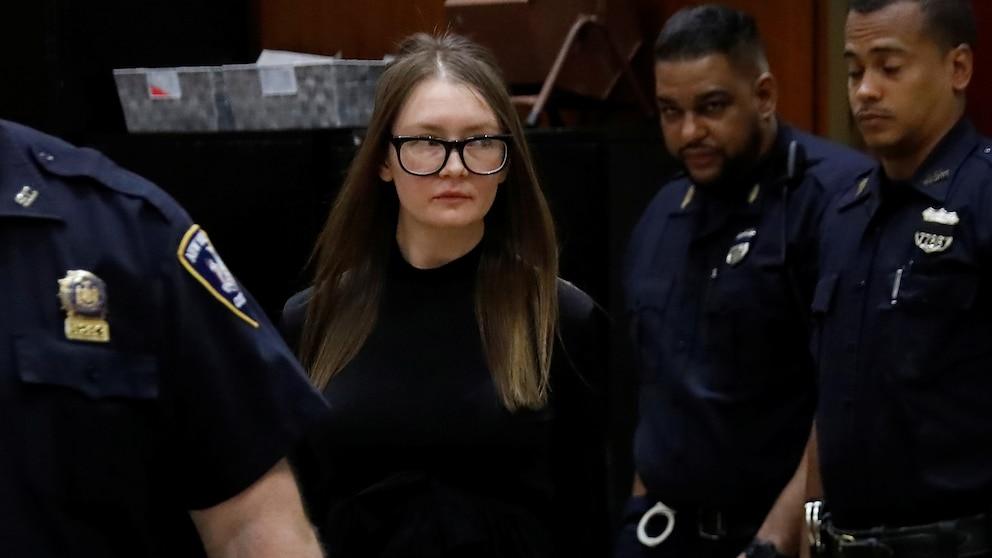
The woman convicted of fraud explained that, when Inventing Anna was released, she was in prison and that, after regaining her freedom, she remained too busy to be interested in the program.
“I guess I find it unbearable to look at myself. I don’t see why I would do that,” she concluded.
After her time in prison and a prolonged period of house arrest, Anna Sorokin regained access to social networks in 2024 and even participated in a television dance program, under the public scrutiny that her story continues to provoke.

